- Summits
- Sponsorship
- Retreats
- Media Opportunities
- News
- About
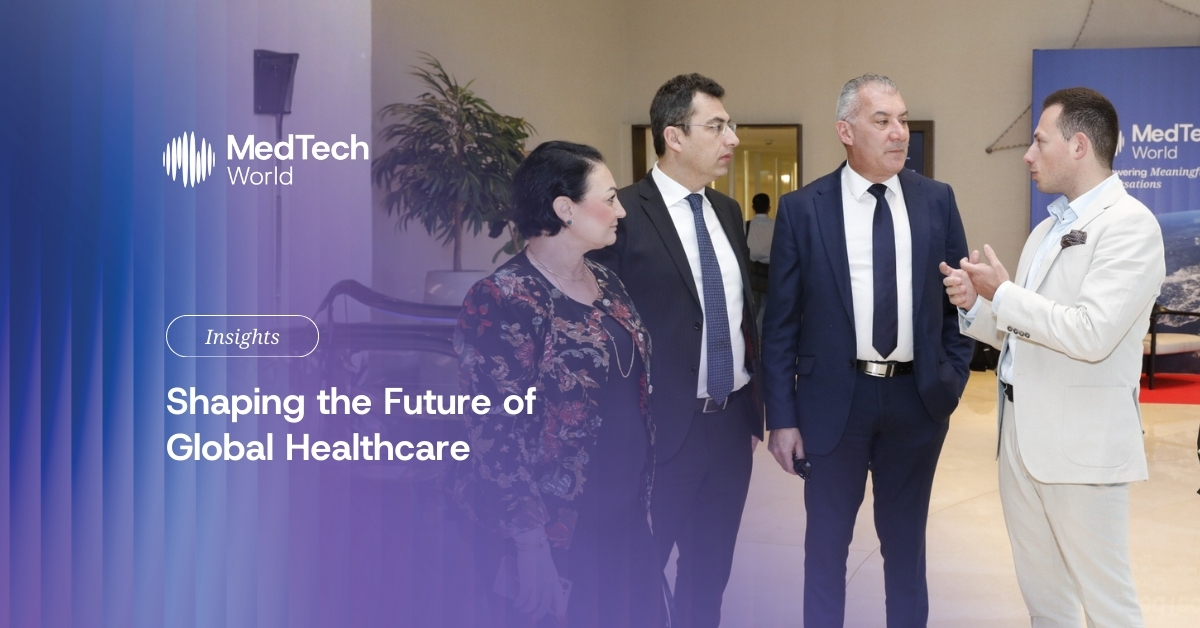
On day one of the conference of MedTech World Middle East 2026 at the InterContinental Dubai Festival City, Dubai, attention turned to a defining question for global healthcare systems: how can nations build resilience, equity and trust while accelerating medical innovation? In opening keynotes, H.E. Maria Camilleri Calleja, Ambassador of Malta to the UAE and Permanent Representative of Malta to IRENA, and Hon. Jo Etienne Abela, Minister for Health and Active Ageing, Government of Malta, set out a clear vision for cross border collaboration.
Together, they framed healthcare not simply as a domestic priority, but as a shared international responsibility shaped by policy, technology and long term partnerships.
Addressing delegates, Ambassador Camilleri Calleja noted that healthcare systems are being tested “not only by medical pressures, but also by geopolitical shifts, technological acceleration, supply chain vulnerabilities”. From a diplomatic perspective, she argued that “the most urgent priority today is building resilience and interoperability in healthcare systems”.
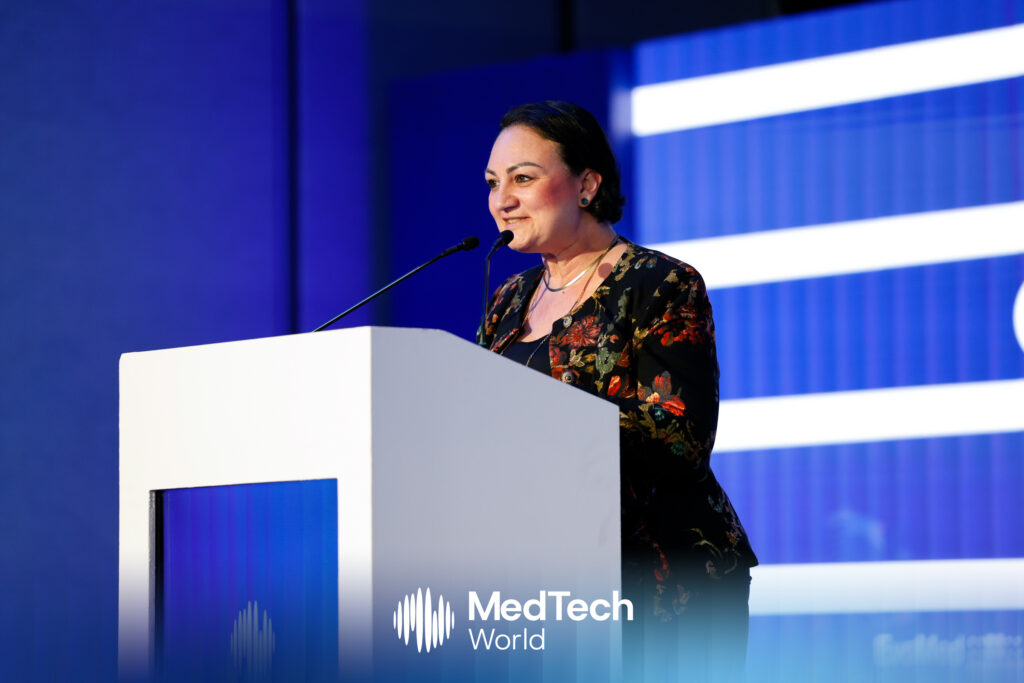
Artificial intelligence, genomics and digital diagnostics are advancing rapidly. Yet she cautioned that “regulation, ethics, and cross border trust must advance just as quickly”. In a line that resonated across the room, she observed: “Innovation without governance creates fragmentation; governance without innovation creates stagnation.”
For smaller states, access remains central. “Innovation must not deepen global divides,” she said, emphasising that emerging markets must be included in access to advanced technologies, not only large economies.
The Ambassador pointed to the Malta-UAE relationship as a practical example of structured collaboration. In recent decades, Malta and the UAE have signed 18 agreements and memoranda of understanding, 13 of them in the last five years alone. During the same period, 88 official and technical delegations travelled between the two countries.
“These are not merely statistics. These are indicators of trust,” she told the audience.
Trade figures reflect that momentum. UAE imports into Malta have increased by 122 per cent compared with 2019 levels, while Maltese exports to the UAE rose by 115 per cent between 2019 and 2024. For healthcare innovation ecosystems, such data signals stability and long term commitment.
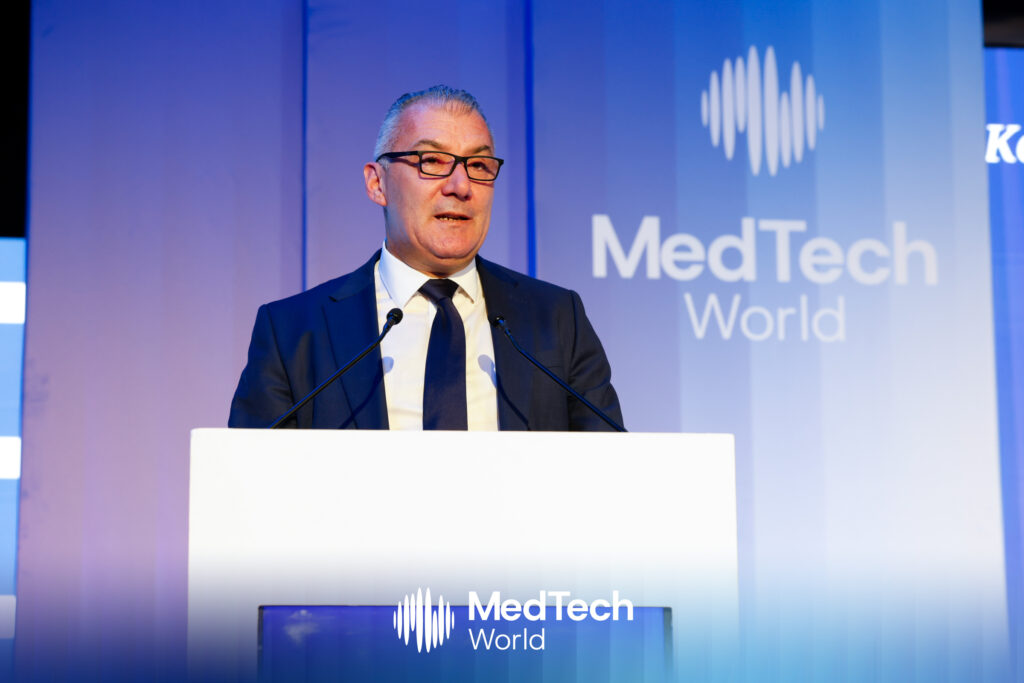
Dr Abela brought the discussion firmly into clinical practice. Representing a country of just over 500,000 people, he reminded delegates that Malta has a medical heritage stretching back to 1676 and continues to invest in modern capability.
Healthcare is a very fast-moving topic
Conferences such as MedTech World are spaces “where new ideas form, and where a patient centred approach can be discussed in the hallways and corridors”. Malta’s robotic surgery programme began with prostate procedures in urology and has since expanded across general surgery and gynaecology, with ENT and orthopaedic teams preparing to join. The trajectory, he explained, shows how ideas “usually start small, but because of important and impactful partnerships, services grow”.
Artificial intelligence now sits at the forefront of Malta’s healthcare strategy. “Artificial intelligence is here to stay,” he said. Plans are underway to harness AI for breast cancer screening, to improve radiology reporting across MRI, CT and PET scanning, and to support emergency patient triage. AI is already embedded in endoscopy services.
However, he offered a note of caution: “Use artificial intelligence, but ensure that our employees are at the centre of our discussions.” Clinical staff wellbeing, both physical and mental, must remain central if digital transformation is to succeed.
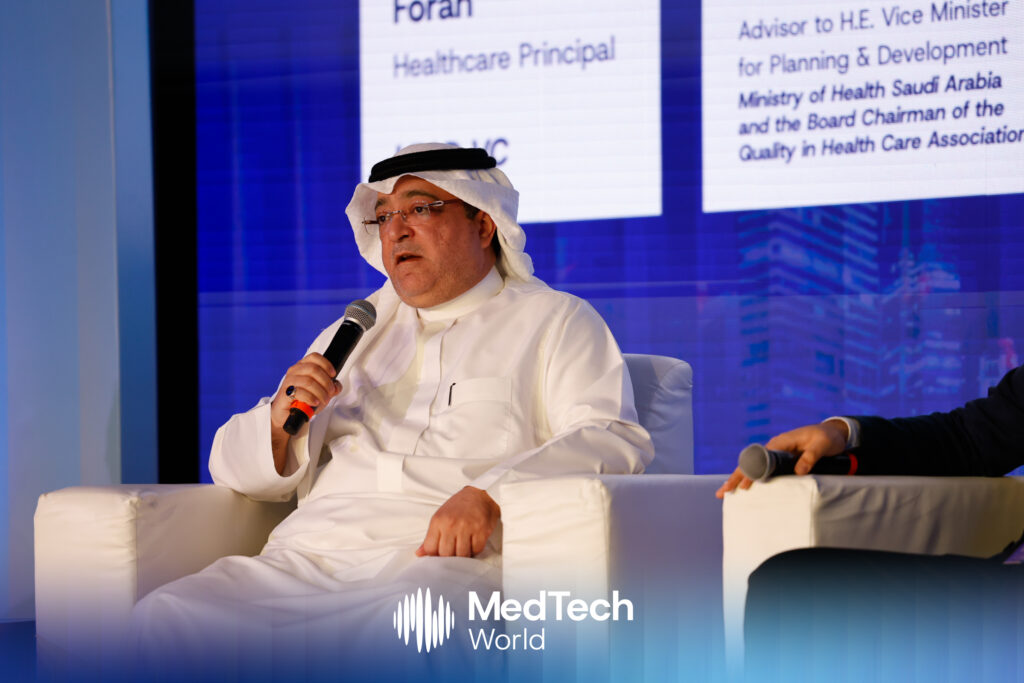
Adding regional perspective, Dr Khalid Kheder, Advisor to H.E. Vice Minister for Planning and Development, Ministry of Health Saudi Arabia and the Board Chairman of the Quality in Health Care Association, observed that the GCC market is undergoing fundamental transformation. “The region is not a consumer of healthcare,” he said. “It is becoming an attractive hub for investment and innovation.”
Driven by national strategies, public investment and rapid adoption of digital and AI solutions, the GCC is, in his words, “moving from importing healthcare to shaping the future of healthcare”.
MedTech World heads to Florida from 11 to 13 May 2026, bringing together global MedTech leaders, innovators, investors, and healthcare decision-makers at the Hilton West Palm Beach. Across three focused days, the event will centre on practical discussions, meaningful connections, and perspectives shaping MedTech today. Book your tickets and be part of the conversation in West Palm Beach.