- Summits
- Sponsorship
- Media Opportunities
- News
- About
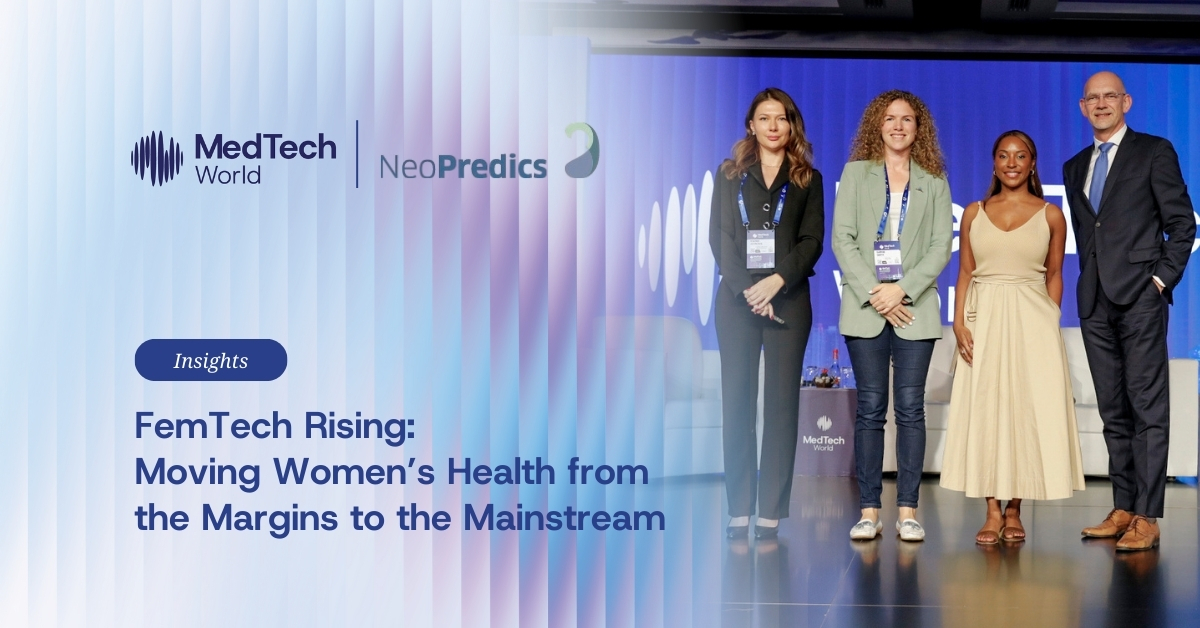
At MedTech World Middle East | Dubai 2026, the panel “FemTech Rising: The Technologies Transforming Women’s Health” tackled a persistent contradiction: women represent nearly half of the global population, yet women’s health continues to receive a fraction of private capital.
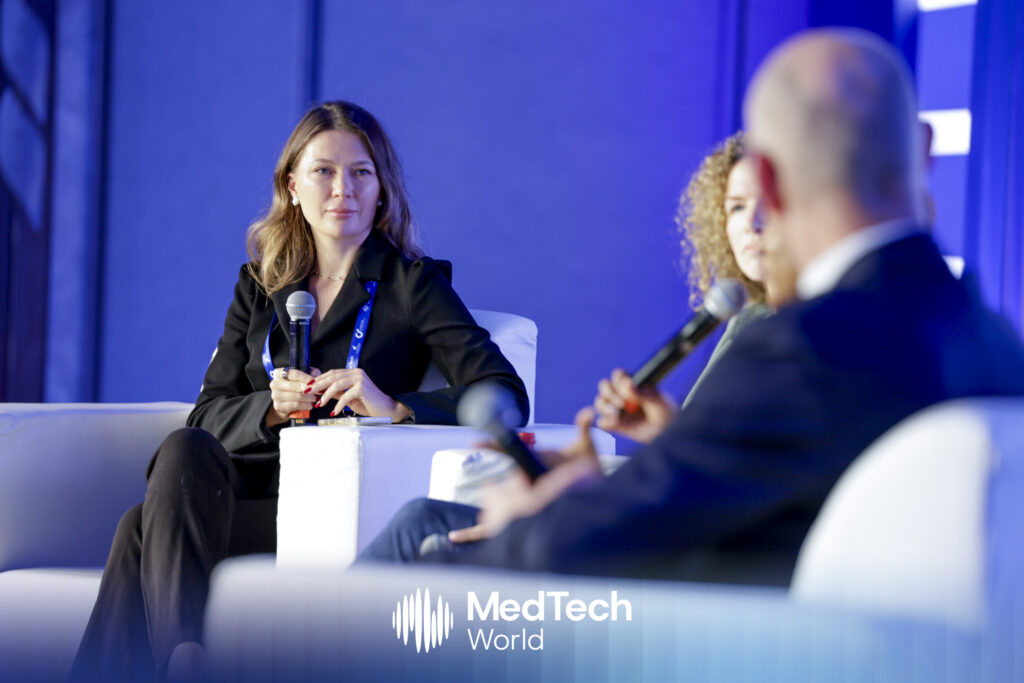
Moderated by Ksenia Zaykova, Chief Communications Officer at AngelsDeck Global Ventures, the discussion brought together:
What emerged was not just a diagnosis of the funding gap—but a clear roadmap for reframing, rebuilding, and repositioning women’s health as core healthcare.
The panel opened with a stark reality: women’s health projects raise only a small percentage of private capital globally.
From an investor perspective, Maria D. Toler argued that the issue is not a lack of opportunity, but perception and positioning.
One structural imbalance remains clear: less than 15% of investors are women. Many investors fund what resonates personally. Conditions such as endometriosis, PCOS, menopause, and postpartum recovery often do not resonate with predominantly male investment committees.
But the more fundamental issue, she suggested, is categorisation.
Instead of presenting companies as “women’s health startups,” founders should frame them by their underlying technology—biotech, diagnostics, digital health platforms. These are categories investors already understand and back at scale.
“If you call it biotech, nobody thinks it’s niche,” was the underlying message.
Another key takeaway: emotional storytelling alone does not close funding rounds.
Women founders often pitch from lived experience—highlighting unmet needs and personal journeys. While powerful, investors ultimately need to see financial clarity.
Investors are mandated to generate returns. Data, margins, scalability, and exit pathways matter.
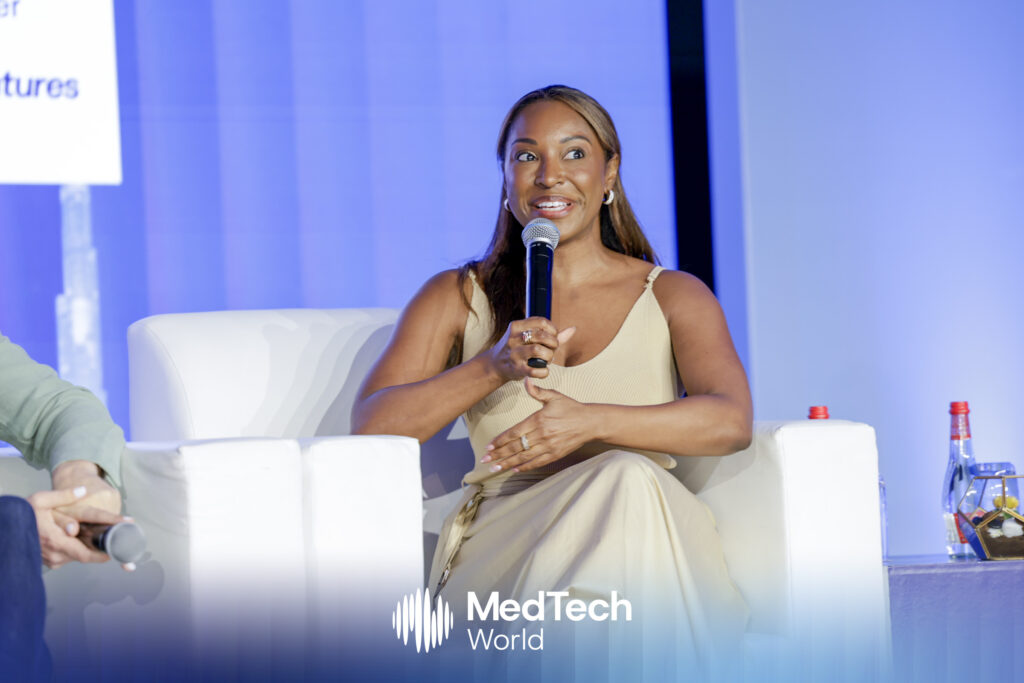
Toler pointed to a recent example from her portfolio—a virtual menopause clinic that reached unicorn status. Initially overlooked by many investors, it proved that when solutions meet demand, growth can be rapid and financially meaningful.
The message was direct: women will pay for solutions that address real gaps. The demand side is not the problem.
Sophie Smith offered a candid perspective as a founder building Nabta Health in the Arab world.
Fundraising was layered with compounded perceptions of risk:
Statistics reinforce the imbalance: a small fraction of venture capital goes to female-founded companies.
Smith also highlighted an often-overlooked structural challenge: invisible consumption.
Large segments of women’s healthcare—pelvic floor rehabilitation, fertility care, postpartum support, menopause—are excluded from standard insurance coverage in many markets. If care is paid out-of-pocket or coded under unrelated conditions, it disappears from claims databases.
When investors look at traditional datasets, the demand appears smaller than it is.
“If we want capital to flow,” the takeaway was clear, “we need to make invisible consumption visible.”
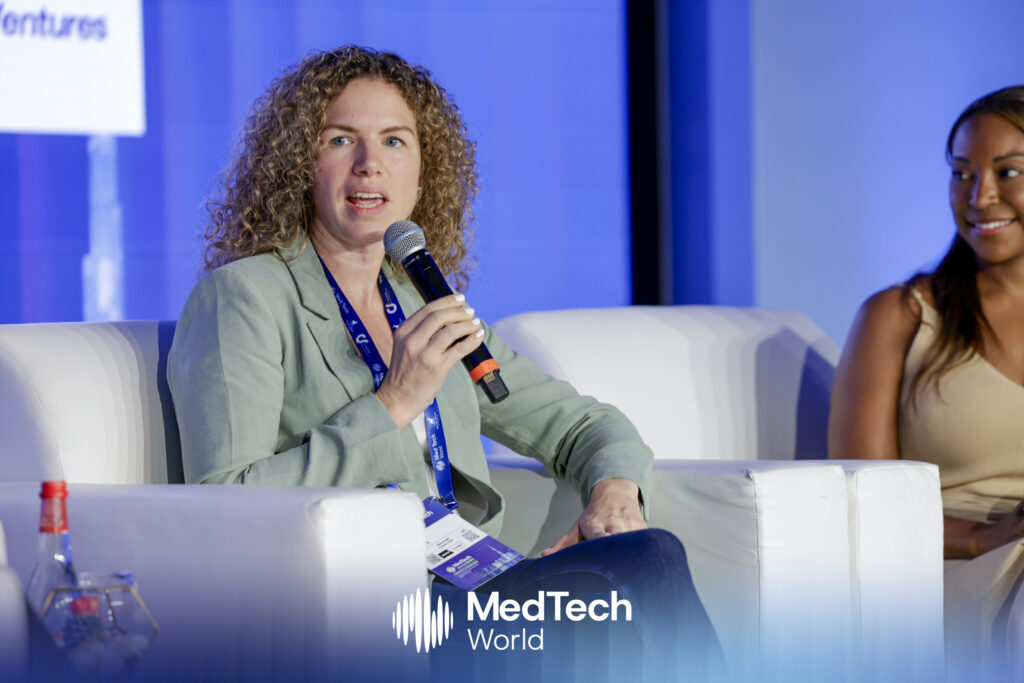
Artificial intelligence was a central theme across MedTech World Middle East, and this panel was no exception.
Smith noted that AI has enormous potential to reduce misdiagnosis and delayed diagnosis in women’s health. However, AI systems are only as good as the data they are trained on.
Current datasets are skewed:
Without correcting these imbalances, AI tools risk replicating bias rather than eliminating it.
Waloschek added a systems-level challenge: harmonisation. Even where data exists, it is fragmented across hospital systems and jurisdictions. Lack of interoperability slows development and limits predictive analytics applications.
The consensus: AI can help, but only if data governance, access, and inclusion improve.
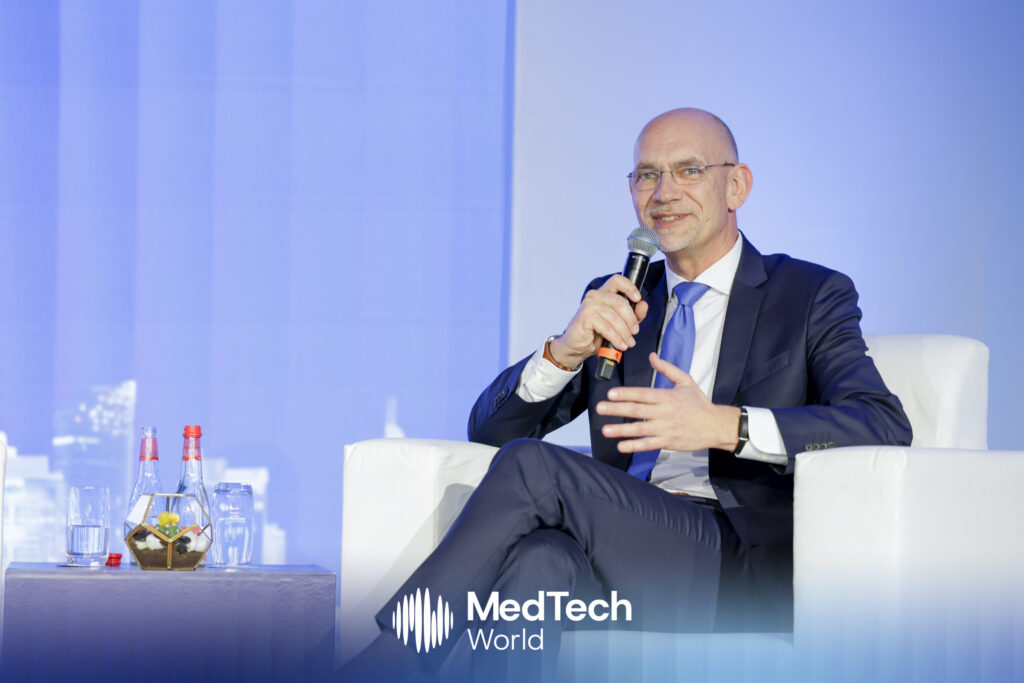
When asked which technologies deserve more attention, the answer was not necessarily “newer” technology but better use of existing tools.
Waloschek emphasised that healthcare often does not need more devices; it needs smarter utilisation of the data and infrastructure already in place.
Smith pointed to portable and decentralised care models—bringing screening and diagnostics to women rather than requiring hospital visits. Making devices smaller, more accessible, and affordable could dramatically increase preventative care uptake, particularly in regions where many women remain uninsured.
This reflects a broader transition: from a provider-led, disease-centric model to a more person-centred system. As information access increases and chronic disease burdens rise, care delivery must adapt.
The panel closed with a provocative point.
To push the sector forward, perhaps the industry must rethink the label itself.
Calling it “FemTech” may unintentionally reinforce the idea that it is niche.
Women’s health is not a subset of healthcare—it is healthcare.
Reframing the narrative from a specialised category to a core pillar of medicine could help move capital, shift perception, and attract broader participation from investors and policymakers alike.
The path forward for women’s health innovation is not solely about more funding—it is about:
As the panel made clear, the opportunity is substantial. The challenge now is ensuring that capital, data, and systems align with reality.
Women’s health is not a side category. It is a central economic and medical opportunity—ready to move from the margins to the mainstream.
Join the next chapter at MedTech World North America, taking place in Florida, USA, from 11–13 May 2026. As discussions around investment, AI, and women’s healthcare continue to evolve, MedTech World North America will bring together founders, investors, and industry leaders to move these conversations into action. Be part of it.