- Summits
- Sponsorship
- News
- About
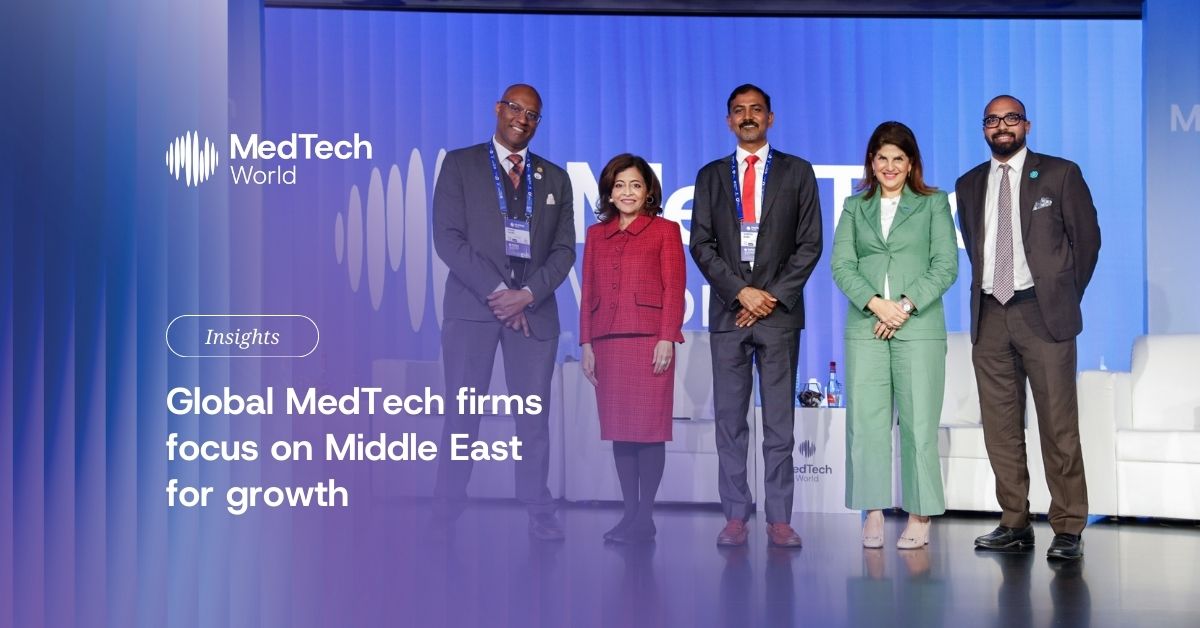
The Middle East is quickly becoming a key location for global MedTech companies that want to grow and innovate. On the first day of MedTech World Middle East | Dubai 2026 at the InterContinental Dubai Festival City, industry leaders met to discuss strategies, partnerships, and steps needed for success in this fast-changing region.
Reenita Das, Founder of Reenita Das Inc. and former partner at Frost & Sullivan, led the panel as moderator. The discussion focused on what drives the MedTech sector in the GCC. Speakers included Mazin Gadir, Director of Healthcare Life Sciences, Alvarez and Marsal; Suresh Babu Subramani, Chief Business Officer, Atlas Medical LLC; Dr. Tamara Sunbul, Group CIO, Fakeeh Care Group; and Marwan Mohamed, Business Development Manager, Life Science Cluster, Masdar City.
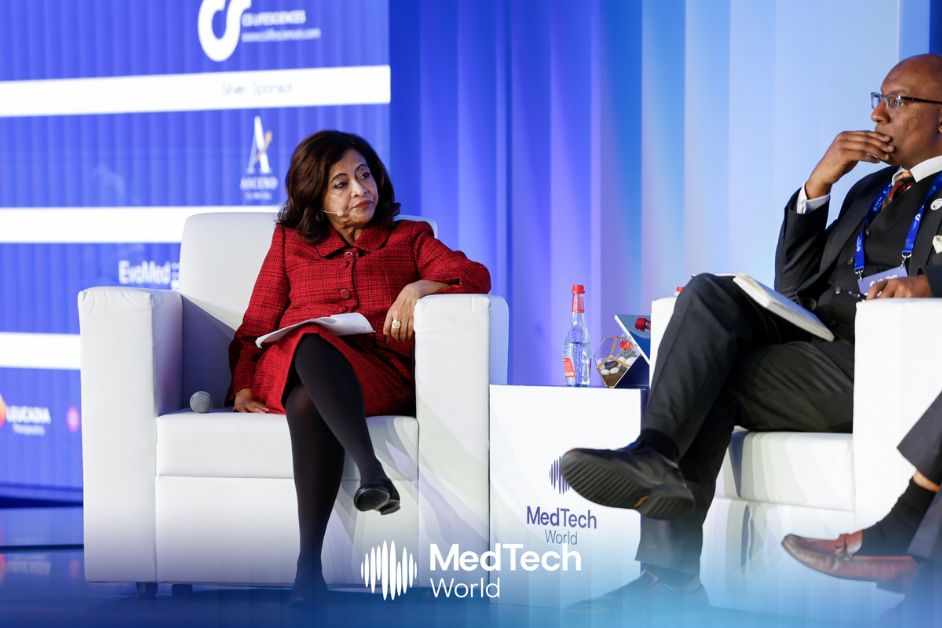
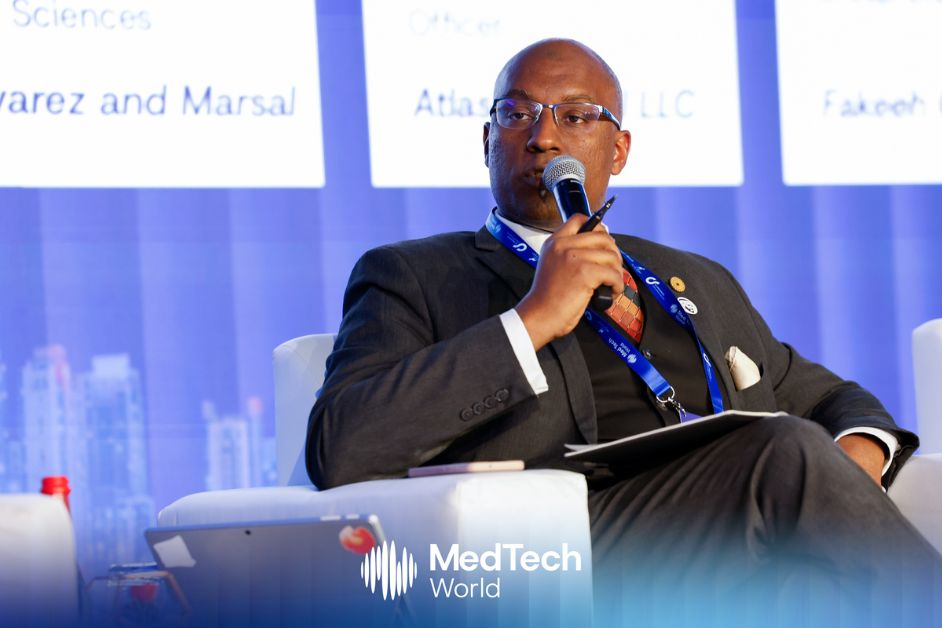
The Middle East’s fast-changing healthcare sector offers special opportunities for MedTech companies. Mazin Gadir, Director at Alvarez & Marsal, said the region’s speed and focus on value-based care, prevention, and precision medicine make it a great market for global firms. He also pointed out that the region wants to be a “living lab” for medical technology, which attracts international businesses.
“The Middle East is not only an attractive market due to its size but also because of its cultural diversity, regulatory leadership, and proximity to vast populations,” said Suresh Babu Subramani, Chief Business Officer at Atlas Medical. “This diversity offers companies the chance to test and innovate in ways that would be difficult in more homogenous markets.”
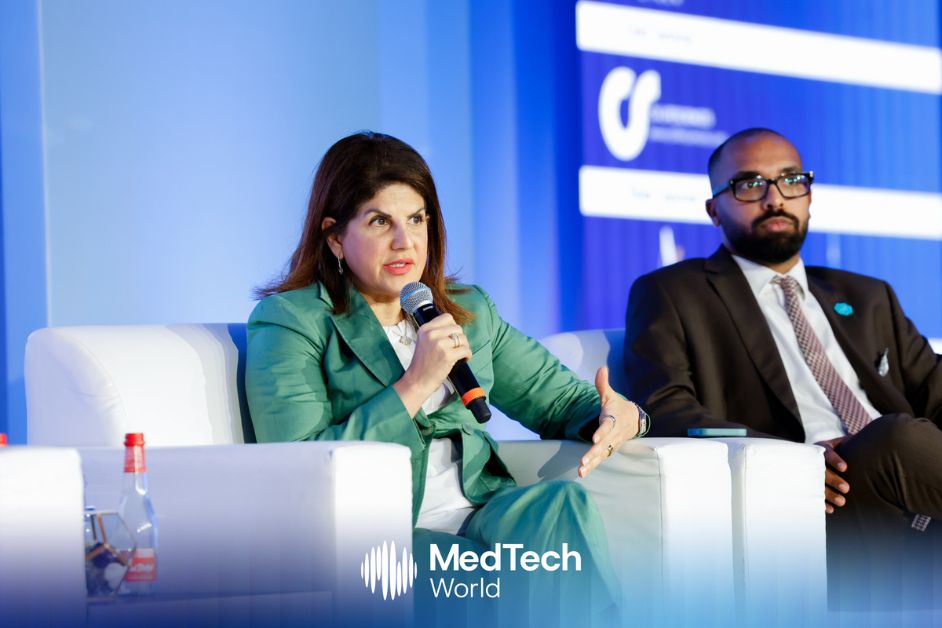
One main topic was how partnerships are more important than traditional distributor relationships. Dr. Tamara Sunbul from Fakeeh Care Group talked about why building partnerships, especially with healthcare providers, matters. “At Fakeeh, we invest in startups and work with them from clinical trials to product integration,” Dr. Sunbul said. “This way, we can help shape solutions that really meet the market’s needs.”
Marwan Mohamed from Masdar City highlighted the role of “ecosystem builders” like regulators, investors, and industry leaders who work together to support MedTech companies. He said, “Masdar City’s life sciences cluster offers specialised R&D infrastructure, wet lab facilities, and a supportive ecosystem for MedTech companies looking to scale in the GCC and beyond.”
—A product that doesn’t align with the way healthcare is delivered here will struggle, no matter how innovative it is.
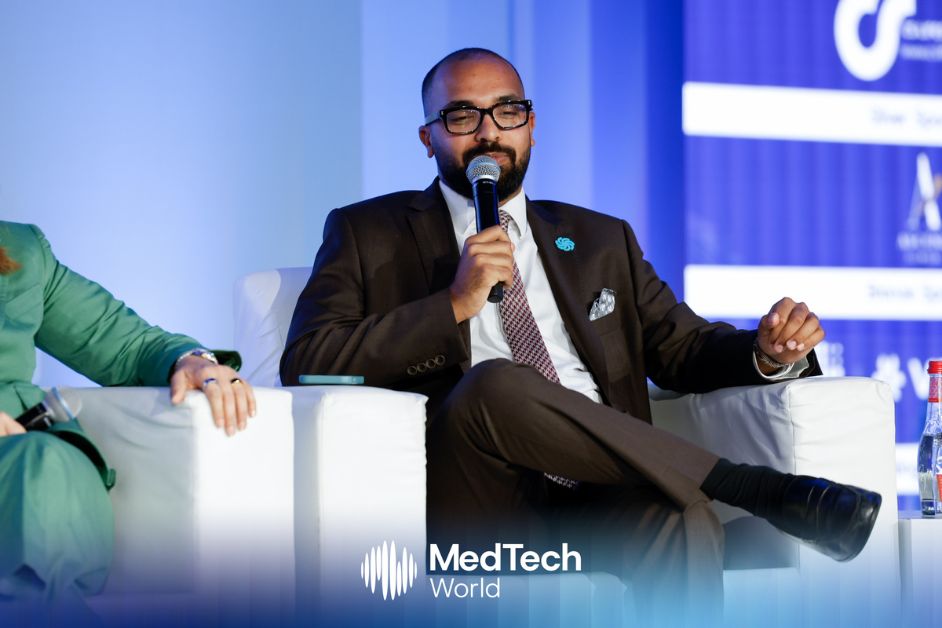
Regulations in the Middle East can be complicated because standards differ across GCC countries. Still, the region is making it easier for companies to enter the market. Suresh Babu Subramani said that regulatory bodies in the UAE, Saudi Arabia, and other GCC countries have helped by creating clear rules for product approval and market access.
“Companies that are FDA or CE certified find it easier to navigate the GCC regulatory landscape, but new developments now allow startups to enter the market with pilot programs and clinical trials without the need for full certifications,” Subramani added.
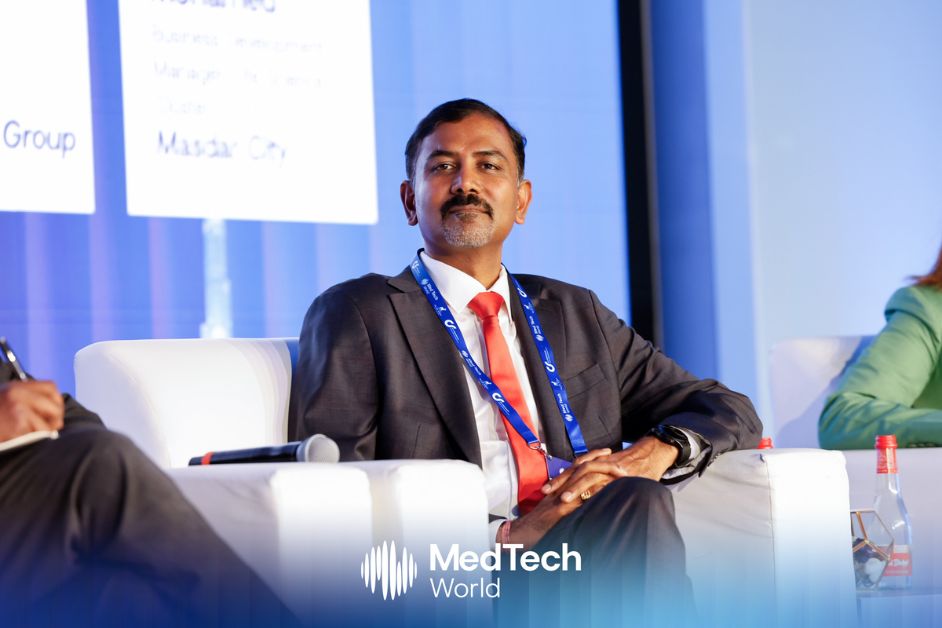
A key part of entering the Middle Eastern MedTech market is making sure products match the local culture and clinical needs. Dr. Tamara Sunbul said, “Localisation is key. Your product might be perfect in the US, but it needs to fit seamlessly into the local healthcare systems here in the GCC.”
She also emphasised working with local healthcare providers to make sure the product fits into clinical workflows. “A product that doesn’t align with the way healthcare is delivered here will struggle, no matter how innovative it is.”
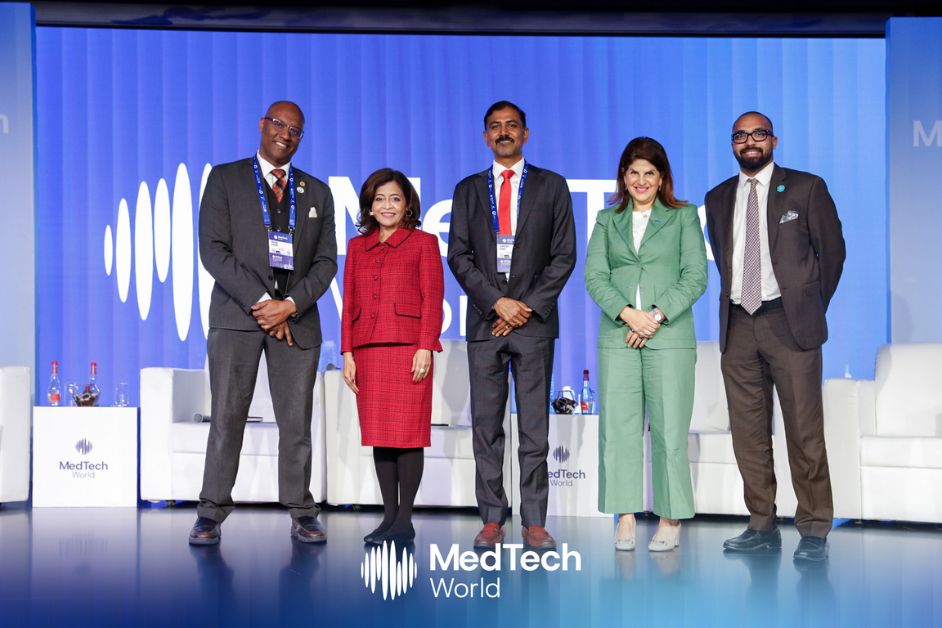
The panel ended on an optimistic note about MedTech’s future in the Middle East. The region’s goal to lead in health innovation, along with strong government support for digital change and healthcare reform, offers a unique chance for global companies.
“MedTech World 2026 is just the beginning,” said Reenita Das, founder of Reenita Das Inc. “We’re seeing strong momentum in the Middle East, and the future holds even more promise as we continue to expand and innovate.”
The momentum continues as MedTech World expands its reach with flagship events across the globe. Up next, MedTech World North America, taking place in Florida, USA, from May 11–13, 2026. Reserve your slot now.