- Summits
- Sponsorship
- Retreats
- Media Opportunities
- News
- About
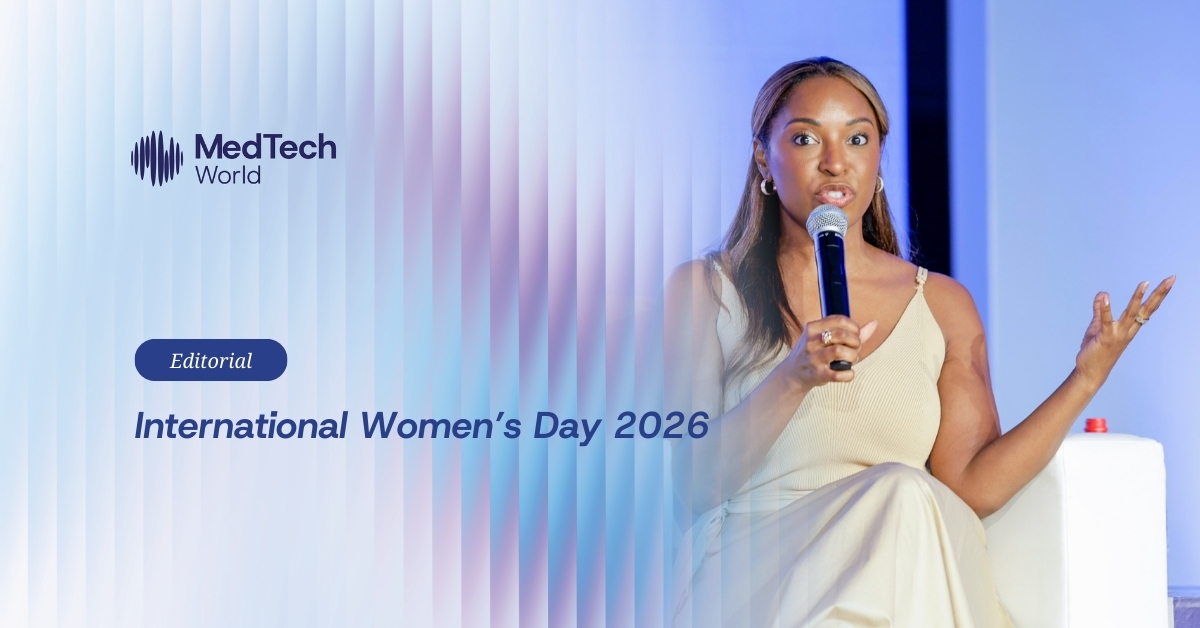
Progress in healthcare rarely comes from a single breakthrough. More often, it happens through a steady stream of ideas, perspectives, and leadership that gradually shift how problems are understood and addressed. On International Women’s Day, it is an opportunity to recognise the women who are contributing to that process across the global MedTech sector.
Within the MedTech World ecosystem, women leaders are playing important roles across clinical innovation, venture investment, and company building. Their work highlights how new approaches to patient outcomes, funding priorities, and leadership can influence the direction of healthcare technologies.
For Tracy MacNeal, CEO of Materna Medical, improving women’s healthcare begins with a fundamental question: how do we define success in treatment?

MacNeal leads efforts to address pelvic floor conditions that affect millions of women worldwide. Yet beyond developing medical devices, she is also advocating for broader changes in how women’s health outcomes are measured and evaluated.
In many regulatory frameworks, anatomical measurements remain the dominant benchmark for clinical success. MacNeal believes that this focus can overlook the functional outcomes that matter most to patients.
“To make care fairer for women, the first thing that must change is how outcomes are defined,” she explains. “Once we shift the lens on what success looks like, we can build better studies and develop reimbursement models that support comprehensive care.”
Her approach emphasises factors such as pain reduction, sexual function, and the ability to return to everyday activities, measures that more directly reflect quality of life for patients living with these conditions.
Investment decisions also shape the future of healthcare innovation. According to Maria D. Toler, Founding Partner at SteelSky Ventures, women’s health continues to represent a large but often underestimated opportunity within the healthcare market.
SteelSky Ventures invests in AI-driven healthcare technologies, with women’s health forming one of its core areas of focus. Toler notes that the firm’s all-female investment team often supports ideas that may not initially attract broad investor attention.
One reason, she says, is that women remain underrepresented in the venture capital community, which can influence which healthcare challenges receive funding. Conditions such as endometriosis or polycystic ovary syndrome, for example, have historically struggled to draw the same level of investor interest.

Toler also believes that how women’s health innovations are presented can shape investor perception.
Rather than categorising these companies strictly as women’s health businesses, she encourages founders to highlight the underlying technologies, whether in biotech, diagnostics, digital health, or clinical services.
“When we talk about the technology behind these companies, it changes the narrative,” she says. “Biotech and diagnostics are not niche sectors. Framing women’s health within those broader categories helps investors recognise the scale of the opportunity.”
At the same time, she advises founders to complement patient stories with clear financial data and commercial strategy, elements that remain central to investment decisions.
From the perspective of venture investment, Diana Saraceni, General Manager at Panakes Partners, points to several qualities that founders need in order to translate promising science into successful MedTech companies.
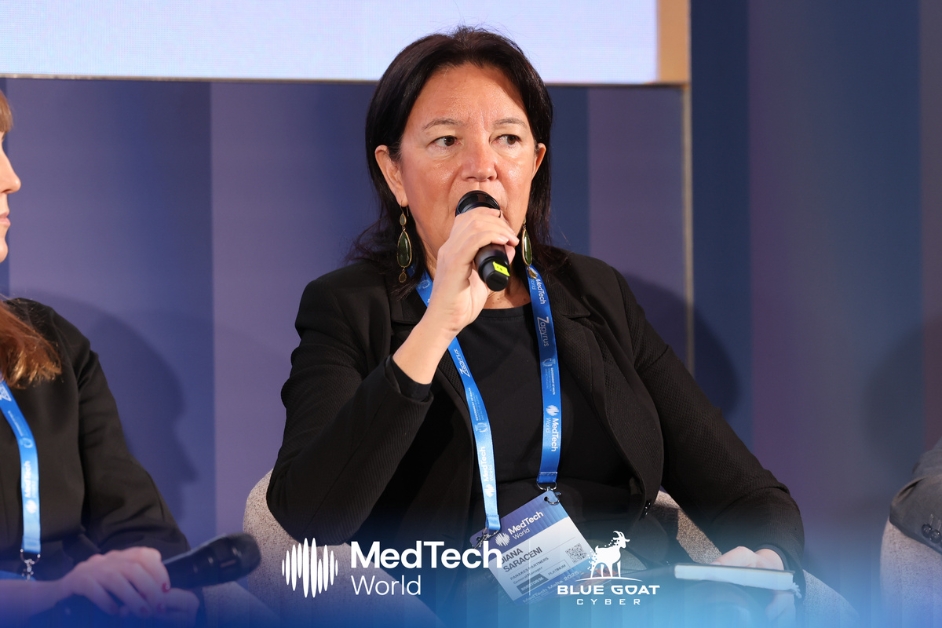
Strategic thinking, she notes, is essential. While operational execution is important, founders must also be able to reassess and refine their plans as circumstances change.
Equally important is the ability to build strong teams. Founders who can attract and motivate talented people are often better positioned to turn ambitious ideas into working organisations.
Finally, Saraceni highlights the importance of understanding investor expectations. Fundraising remains a central component of growth in the MedTech sector, and founders who understand what drives investment decisions can communicate their plans more effectively.
Many of the themes raised by leaders across the MedTech World ecosystem, ranging from how outcomes are defined in women’s health to the investment gaps that still exist in the sector, will also feature in upcoming discussions at MedTech World North America 2026 in West Palm Beach, Florida.
One of the panels, ‘Women’s Health Devices: Beyond Fertility & Pregnancy‘, will explore areas that remain underfunded but are experiencing increasing clinical and commercial interest. The discussion will focus on fields such as menopause care, pelvic floor health, and oncology, while also examining how companies can build and commercialise solutions in these segments.
Taking place from 11 to 13 May, the North America edition will convene global industry leaders, investors, and innovators for focused discussions, curated networking, and cross-border collaboration opportunities.
If you are looking to be part of this flagship event, there are several ways to engage: