- Summits
- Sponsorship
- Retreats
- Media Opportunities
- News
- About
- Get Tickets
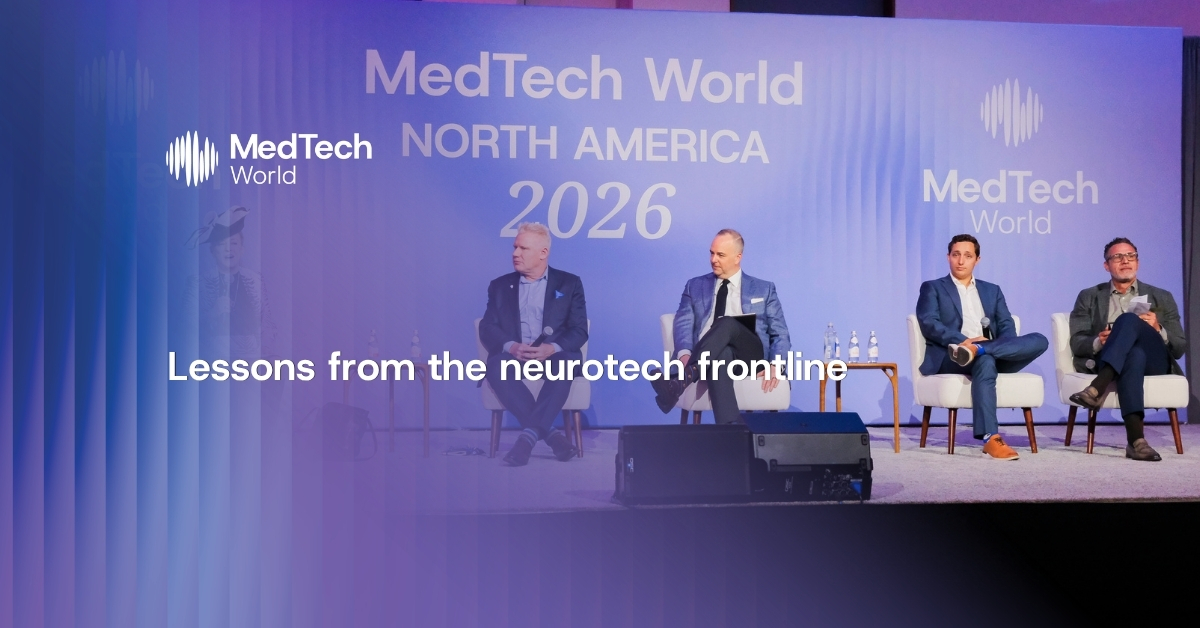
Neurotech is no longer a speculative frontier. Brain-computer interfaces are entering clinical pipelines, electrode densities are rising, and AI is unlocking new pathways to understanding how the brain actually works. But as panellists at MedTech World North America made clear on Day 2, the distance between a compelling proof of concept and a fundable, scalable company is wider and more treacherous than most founders anticipate.
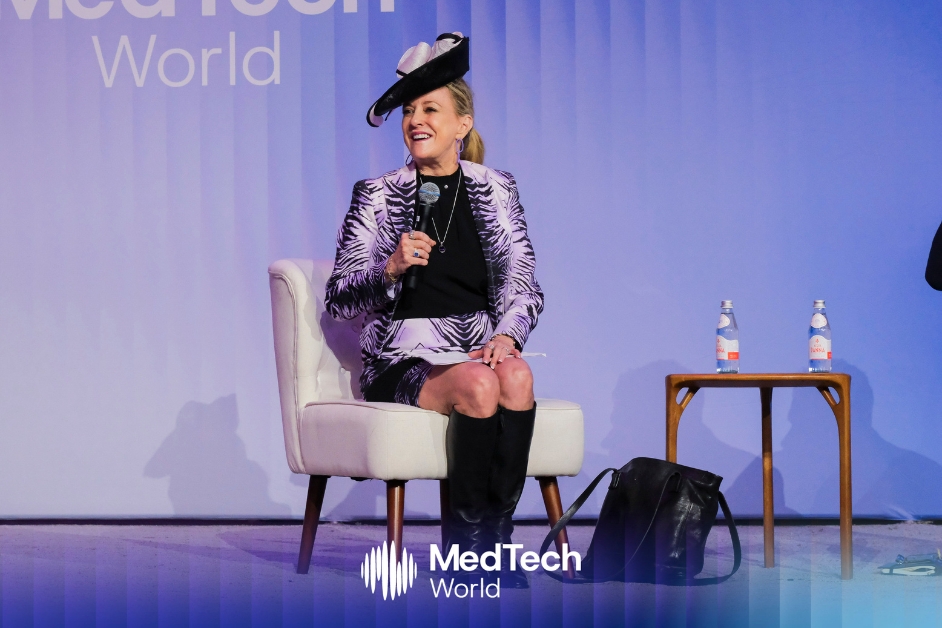
That was the central message of ‘Scaling Neuro Innovation: Capital, Clinical Adoption & Corporate Pathways’, a session moderated by Paula Rutledge, Founder & CEO of Legacy MedSearch, and featuring Kip Roberts, VP of Neurosciences M&A and Strategy at Medtronic; Brad Maruca, Managing Director at Deloitte; Edward Ruppel, Founder and General Partner at Ground Effect Ventures; and Christian Espinosa, CEO of Blue Goat Cyber. Together, they outlined a field defined not only by scientific momentum, but by a demanding new set of commercial, regulatory, and security realities that will determine who survives the decade.
Kip Roberts opened with a note of genuine optimism: “I happen to believe that the next ten years are going to be about growth in the neurosciences.” The advances in BCI density, non-invasive neural data capture, and AI-driven brain mapping are producing insights that were unimaginable just five years ago. Conditions once considered untouchable — treatment-resistant depression, Alzheimer’s disease, autoimmune disorders — are back on the table.
Yet Roberts was equally direct about the failure modes he sees repeatedly. The most common: founders who treat FDA clearance or CE mark as the finish line. “You have to plan for the reimbursement pathway too,” he said. “Strategics want de-risked assets, and part of that de-risking is navigating reimbursement.” Without a credible path to payment, clinical approval is a milestone without a market.
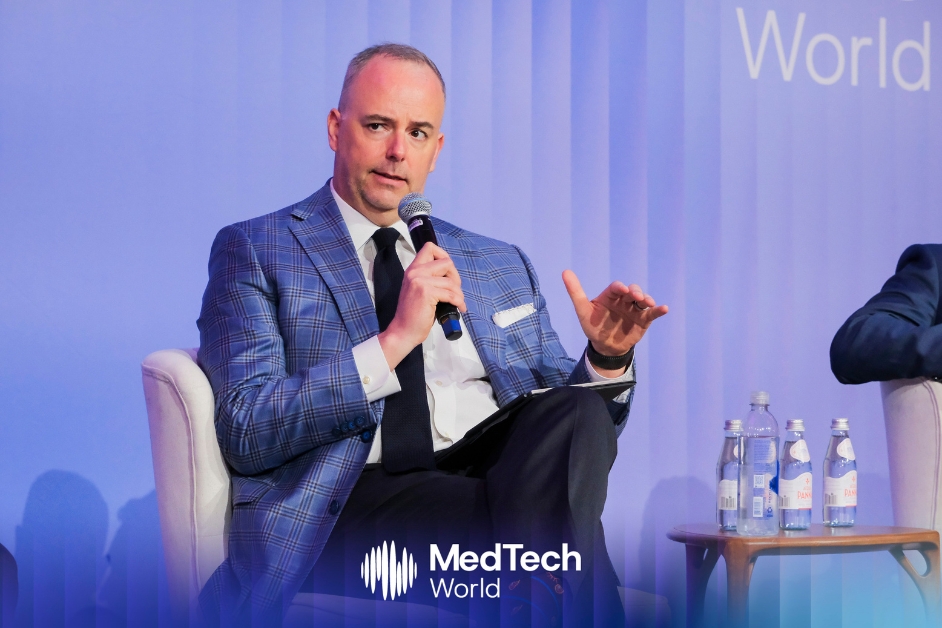
Brad Maruca, who has sat on both sides of the acquisition table, reframed the problem as one of commercial architecture. The question is not just whether a technology works clinically, but whether it can survive contact with hospital procurement systems, payer structures, and real-world workflow demands.
“Do you understand the procurement lanes?” he asked the room. “VACs, IDNs, GPOs — these are things that can delay entrance into a facility. A lot of these die on the vine before they get to the first IDN.”
Maruca also introduced a metric founders should internalise early: when evaluating commercial traction, he discounts revenue generated by paid clinical consultants by 50%, then looks specifically for same-store sales growth across independent, non-incentivised users. “That’s when I know we have something I can plug into a commercial engine.”
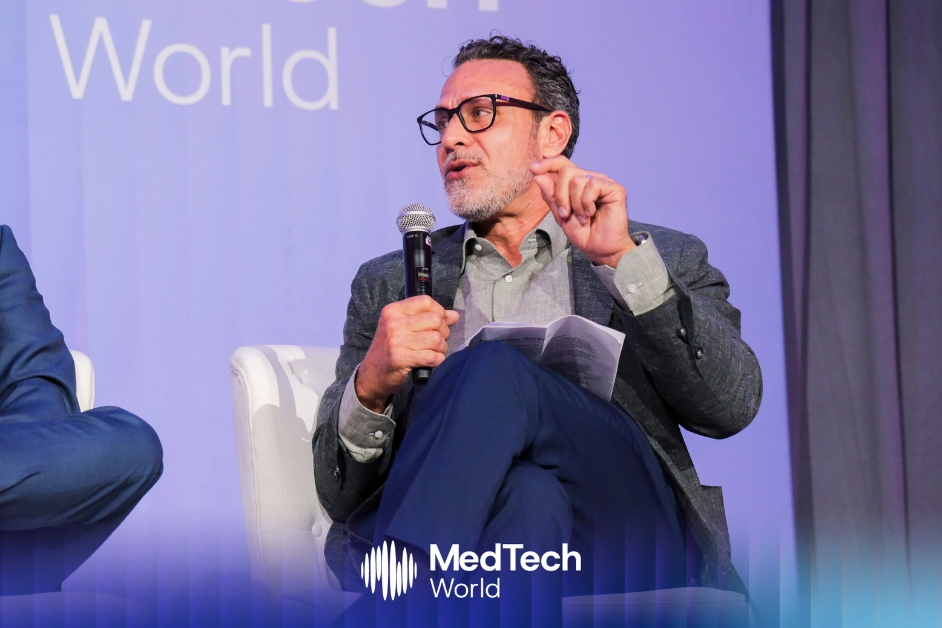
Perhaps the panel’s sharpest departure from convention came from Christian Espinosa, whose firm Blue Goat Cyber has completed roughly 250 FDA submissions with a 100% clearance rate. In neurotech, he argued, cybersecurity is not a compliance checkbox; it is a fundamental patient safety issue that must be engineered from day one.
His example was striking: a 2016 study demonstrated that a deep brain stimulator could be wirelessly accessed by an unauthorised party to alter a patient’s behavioural, emotional, and cognitive state, so-called “brainjacking.” The interface clinicians use to programme a DBS was the same vector an attacker could exploit.
“It’s very difficult to bolt security on later,” Espinosa said. “And for something like a DBS that could be implanted for up to 20 years, the encryption technology doesn’t last that long. You have to plan for resilience across the entire device lifecycle.” He added that healthcare delivery organisations are now demanding security controls that exceed FDA requirements, meaning clearance alone will not open the door to hospital adoption.
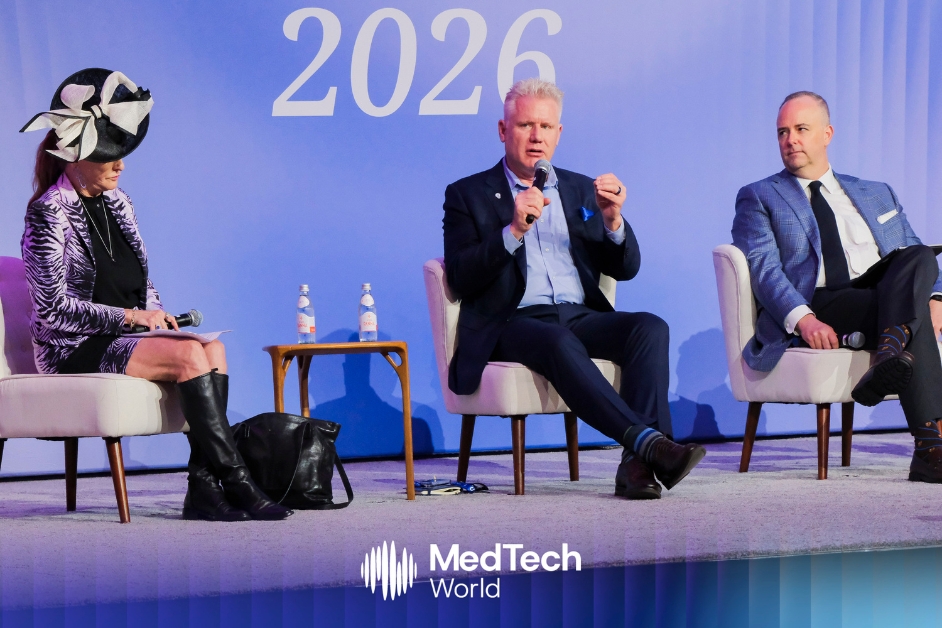
Roberts offered a counterintuitive caution on founder stealth mode. The instinct to stay quiet until the science is perfect, he argued, actively damages a company’s chances with strategics like Medtronic. “The longer you stay in stealth mode, the further off you’re pushing the relationship building,” he said. “Inside my shop, there are a lot of people, and they all think they get a say. We have to do a lot of relationship building internally. What gets a deal done is trust.”
Edward Ruppel echoed this from an investor perspective, adding that the field is entering a new phase of difficulty. “It’s gotten a lot harder,” he said. “You need to have all your t’s crossed, and i’s dotted.” His advice was to invest in clinical evidence that meaningfully informs reimbursement, not simply evidence that satisfies a regulatory pathway. “Invest in the evidence irrespective of the regulatory pathway.”
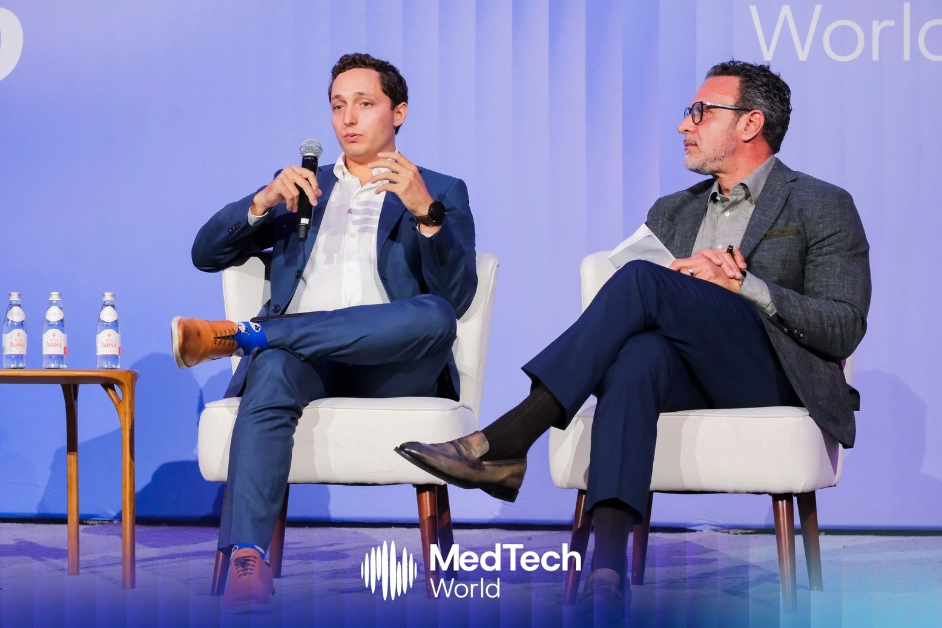
In perhaps the most provocative moment of the session, Maruca challenged the industry to rethink who it is actually trying to reach. MedTech, he argued, invests heavily in physician brand preference while almost entirely ignoring the patient. Pharma, by contrast, has mastered patient engagement, from copay coupons to direct-to-consumer awareness.
“Ninety-plus percent of medtech is elective,” he said. “That means the market behaves like a consumer market. We need to drive patient acceptance, not just market access.” His personal stakes were clear: a family member had recently been hospitalised after a severe adverse reaction to a preventive dementia medication — a reminder, he said, that “the drugs are definitely not safer than surgery.” Neurotech, with its comparatively favourable side-effect profiles, is failing to tell that story.
For founders in the neurotech space, the message from this panel was both encouraging and unsparing. The science is extraordinary, the decade of the brain is real — but capital, clinical adoption, and corporate exits will flow only to companies that treat reimbursement, cybersecurity, and patient trust as design requirements, not afterthoughts. Build for the whole system, not just the device.
Join MedTech World Asia 2026, taking place in Hong Kong from 26 to 28 August, where the region’s most forward-thinking founders, investors, and strategics will convene to tackle the next wave of medtech innovation. Don’t miss your seat at the table. Book your ticket now for MedTech World Asia 2026.