- Summits
- Sponsorship
- Retreats
- Media Opportunities
- News
- About
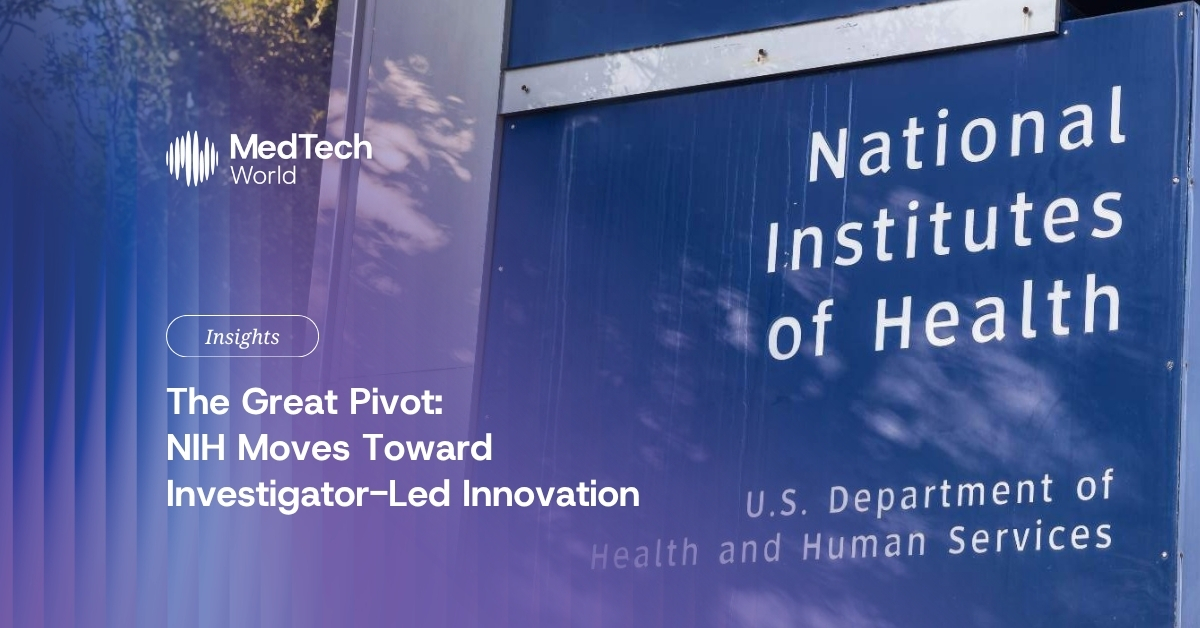
The U.S. National Institutes of Health (NIH), the world’s largest public funder of biomedical research, is undergoing a fundamental transformation in how it distributes billions of dollars. According to a recent analysis, the agency is sharply moving away from “top-down,” agency-directed science in favor of “investigator-initiated” research, a shift that is redefining the American scientific enterprise.
Data reveals a staggering change in the NIH’s approach: the number of targeted funding calls (specific requests for applications issued by the agency to address designated problems) has plummeted by approximately 90%. In the past, the NIH frequently used these “top-down” mechanisms to steer the scientific community toward specific goals, such as curing a particular disease or developing a specific technology.
Today, the agency is instead funneling those billions into broad, open-ended grants where the ideas originate entirely from the researchers themselves.
The primary philosophy behind this shift is the belief that scientific breakthroughs are unpredictable. NIH leadership suggests that by stepping back and allowing scientists to follow their own curiosity, the agency can foster a higher degree of “bottom-up” innovation.
Proponents argue that:
While the move toward researcher-led science is praised by many who value academic freedom, it has raised concerns among specialists in niche or historically neglected fields.
Critics of the new direction worry that:
This massive shift marks a new era for the NIH. As the agency pivots toward a model that trusts the individual scientist to set the agenda, the global scientific community will be watching closely to see if this “investigator-led” gamble results in the next generation of medical miracles or leaves critical gaps in the nation’s health research.
Following the success of its Middle East flagship event, MedTech World is now heading to Florida for MedTech World North America, taking place in West Palm Beach from 11 to 13 May 2026.
The North America edition will convene global industry leaders, investors, and innovators for focused discussions, curated networking, and cross-border collaboration opportunities. If you are looking to be part of this milestone flagship event, you can engage in ways that align with your goals: