- Summits
- Sponsorship
- Retreats
- Media Opportunities
- News
- About
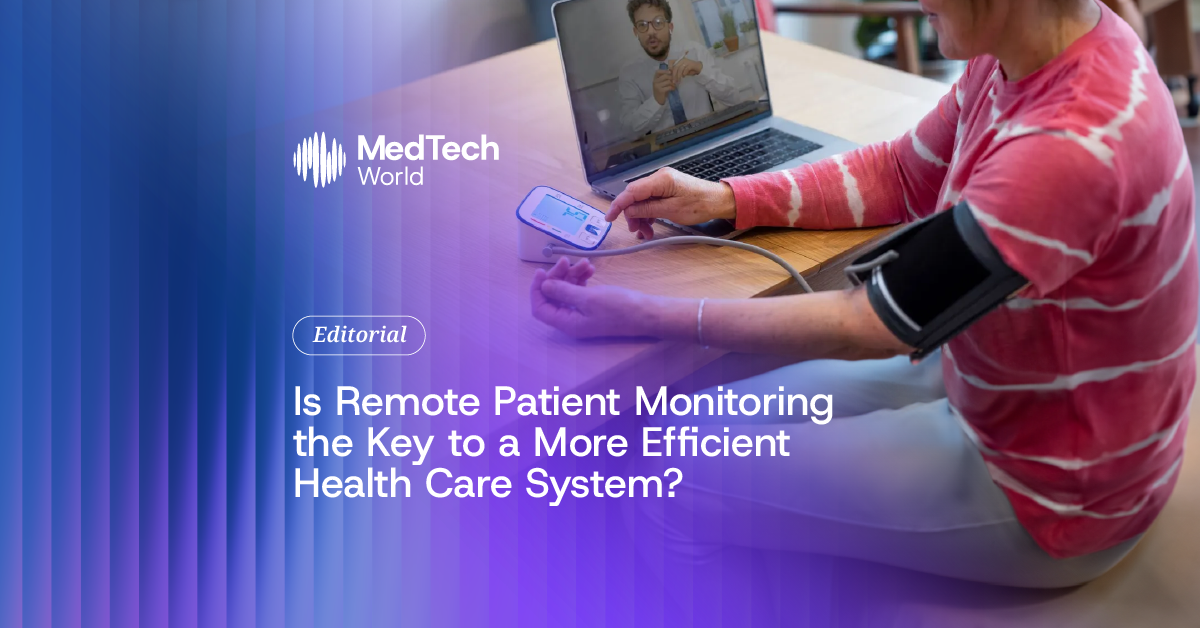
Fragmented care delivery, long wait times and rising costs are some of the many factors adversely affecting the efficiency of the U.S. health care system. Remote patient monitoring (RPM) could be the solution. It is already improving the lives of patients and health care professionals through wearable sensors, RPM platforms and data analytics.
RPM holds significant promise for improving health care efficiency. However, its successful implementation requires addressing key challenges and considerations.
Several key drivers of inefficiency exist in today’s health care system. Among them are rising costs and unsustainable spending trends. The U.S. health system is one of the most expensive worldwide, and around one-quarter of the country’s health care spending is seen as wasteful.
Preventable hospitalizations also increase spending and resource use, leading to greater inefficiency. After Medicaid’s expansion in 2014, avoidable hospital visits decreased, likely because of improved access to care. However, recent and potentially ongoing cuts to Medicaid could reverse this trend, resulting in more preventable hospitalizations and system inefficiencies.
Fragmented care delivery is another issue. When people see multiple physicians, it can lead to miscommunication, a lack of shared information among providers and additional costs for the patient.
Finally, a lack of patient engagement and treatment plan adherence can exacerbate socioeconomic barriers to health care access and increase hospitalizations. Research suggests that people with the information, confidence and skills to actively engage in their health see better health results. Therefore, a lack of health literacy can create inefficiencies and negatively impact health outcomes.
RPM addresses inefficiencies in health care by offering the following solutions:
RPM has numerous benefits and could be the key to a more efficient health care system. However, health care professionals and decision-makers interested in RPM implementation should consider some core factors to ensure success.
Technologies that involve sharing patient data necessitate advanced security protocols. RPM devices collect and often disseminate information that falls under HIPAA’s domain, requiring strict access controls and protection methods.
Interoperability is also worthy of consideration. Before investing in RPM tools, health care facilities should confirm that the tools in question seamlessly integrate with existing electronic health record systems and other technologies already in use.
To reap the full benefits of RPM implementation, taking a two-pronged approach to user training and education is essential. Both staff and patients need to understand how to use RPM tools properly. Investing in training is key to successful implementation. Providing consistent support with resources that answer frequently asked questions and explain software updates can help ensure all users feel empowered rather than overwhelmed by the new tech.
RPM is already showing promising results. For instance, UC Davis Health developed a program to monitor blood pressure remotely. Thanks to at-home devices like blood pressure cuffs and scales, program participants reduced their blood pressure from 150/80 mmHg to 125/74 mmHg on average. Results like this could become standard if more facilities integrate RPM.
Here are some of the future trends and innovations that might drive that change:
RPM can transform health care delivery through more personalized, proactive medicine and value-based care models, leading to a better quality of life for patients.
A more efficient health care system would benefit consumers, industry professionals and stakeholders. RPM tools can address current inefficiencies, such as preventable hospitalizations, fragmented care delivery, lack of patient engagement and more. Successful implementation requires a people-first approach, a vigilant cybersecurity and data protection posture, and an awareness of how to maximize the investment.
Med-tech professionals, health care workers and decision-makers should collaborate to embrace RPM’s benefits for a more efficient and patient-centered system.
Join the global conversation on the future of health care at MedTech Malta 2025, happening 12–14 November in Valletta, Malta. For sponsorship, speaking, pitching opportunities, or to get involved, reach out to us at [email protected].