- Summits
- Sponsorship
- Retreats
- Media Opportunities
- News
- About
- Get Tickets
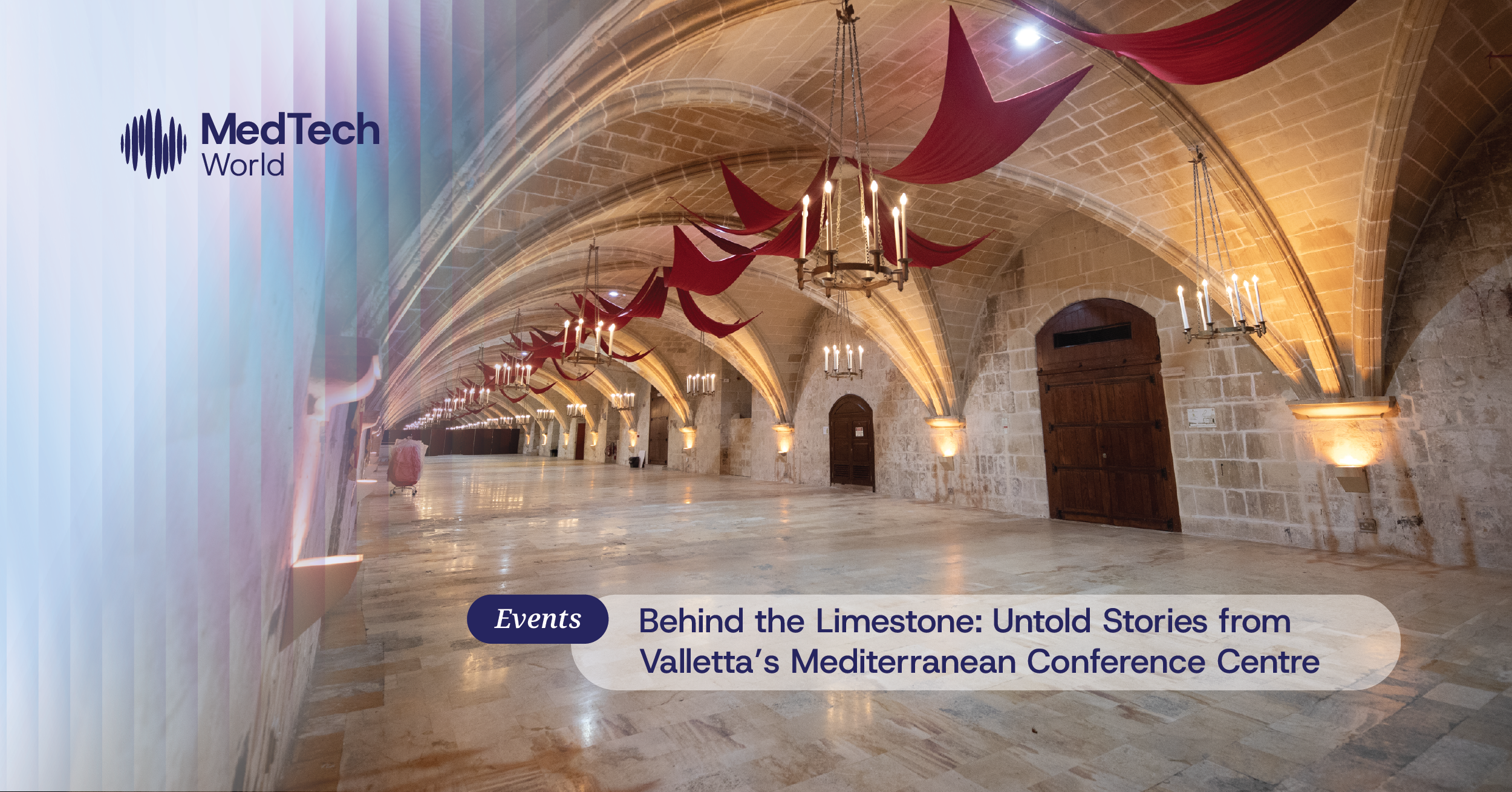
High limestone walls, vaulted ceilings, and corridors steeped in silence—walking into the Mediterranean Conference Centre in Valletta is like stepping into a living chronicle of Malta’s past. Long before it became one of the island’s most prestigious cultural and events venues, the building was known as the Sacra Infermeria, a hospital run by the Order of St. John.
Construction of the Sacra Infermeria began in 1574, under the guidance of Grand Master Jean de la Cassière. By the early 17th century, it had gained a reputation as one of the finest hospitals in Europe, renowned for both its scale and its standards. At its peak, the hospital could house over 900 patients, and its Grand Ward—measuring 155 meters long—remains one of the longest halls of its kind in Europe.
The Knights of St. John were progressive for their era. Patients of all backgrounds—pilgrims, sailors, merchants, and nobles—were treated free of charge. Records describe rigorous hygiene, with daily changes of bed linens and food served on individual plates. Such practices were extraordinary at a time when even the most advanced European hospitals lagged far behind in standards of cleanliness.
In 1676, Grand Master Nicolas Cotoner commissioned major expansions to the hospital after a devastating outbreak of plague swept through Malta. New wards and facilities were added to cope with the crisis, cementing the Sacra Infermeria’s reputation as a pioneer of organized healthcare in Europe.
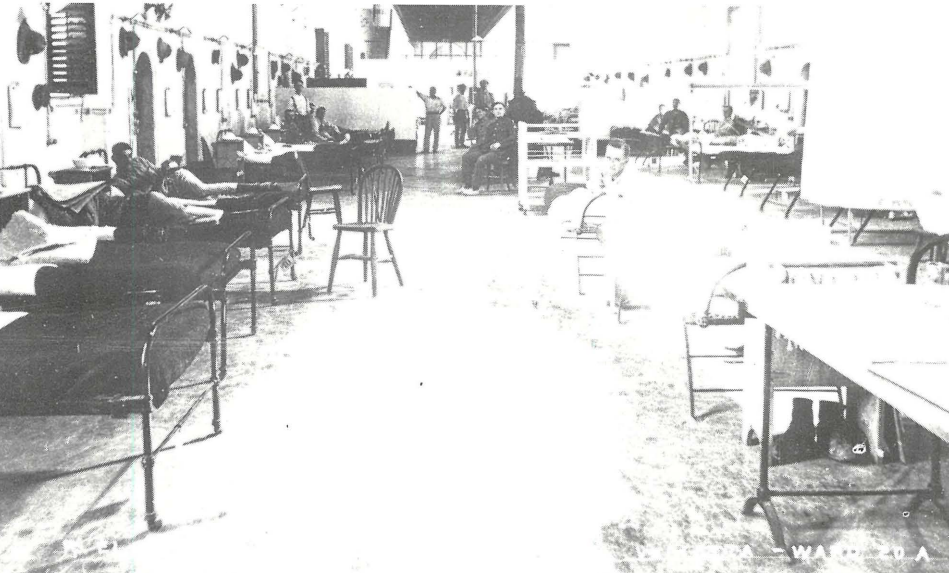
Centuries later, the hospital’s resilience was tested again. During World War II, Malta endured some of the heaviest bombardments of the war, earning the George Cross for bravery. Within the sturdy limestone walls of the former Sacra Infermeria, doctors and nurses cared for soldiers and civilians injured in relentless air raids. The centuries-old hospital once more became a refuge of healing in the island’s darkest hour.
The Sacra Infermeria has also witnessed moments of upheaval. In 1798, when Napoleon Bonaparte captured Malta during his campaign against the Knights, the French used the building during their short-lived rule. Though the occupation was brief, it marked a turning point, signaling the end of the Knights’ era and the beginning of new chapters in the building’s story.
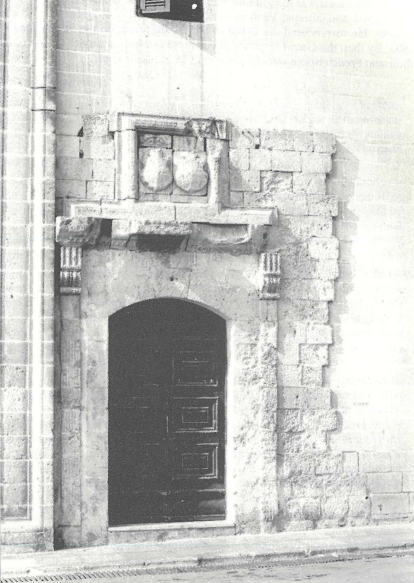
By the mid-20th century, the building had fallen into disrepair. In 1950, it ceased functioning in any medical capacity, standing silent for nearly three decades. Then, in 1979, restoration works breathed new life into the historic monument. Sensitive reconstruction preserved its medieval architecture while equipping it with modern facilities, and the site was officially reborn as the Mediterranean Conference Centre (MCC).
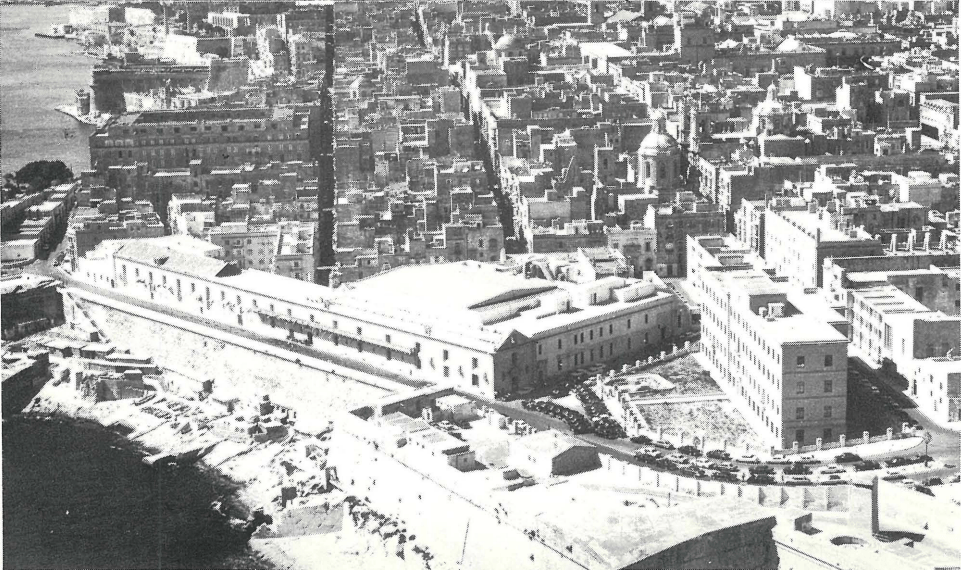
Since then, the MCC has hosted operas, orchestras, theatrical productions, and international conferences, becoming one of Malta’s premier cultural landmarks.
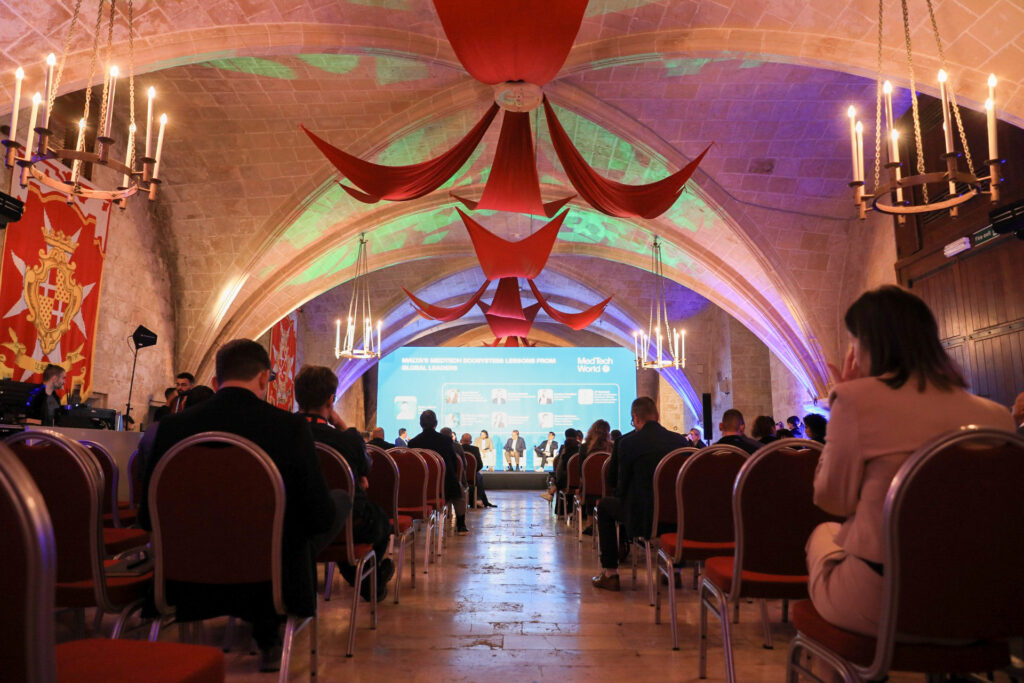
Today, the MCC forms part of Valletta’s UNESCO World Heritage status, not only for its architecture but for the living history embedded in its walls. From its foundation as a 16th-century hospital, through its service in plague and war, to its transformation into a cultural beacon, the MCC embodies Malta’s enduring spirit of resilience and reinvention.
To stand in its halls is to hear the echoes of centuries of healing, upheaval, and progress, woven into a story that continues to unfold.
This November, those same historic halls will once again welcome leaders, thinkers, and innovators from across the globe. MedTech Malta 2025 takes place from 12 to 14 November at the Mediterranean Conference Centre in Valletta.
Reserve your place now and be part of a gathering where history and innovation meet.
For more information, contact us at [email protected].