- Summits
- Sponsorship
- Retreats
- Media Opportunities
- News
- About
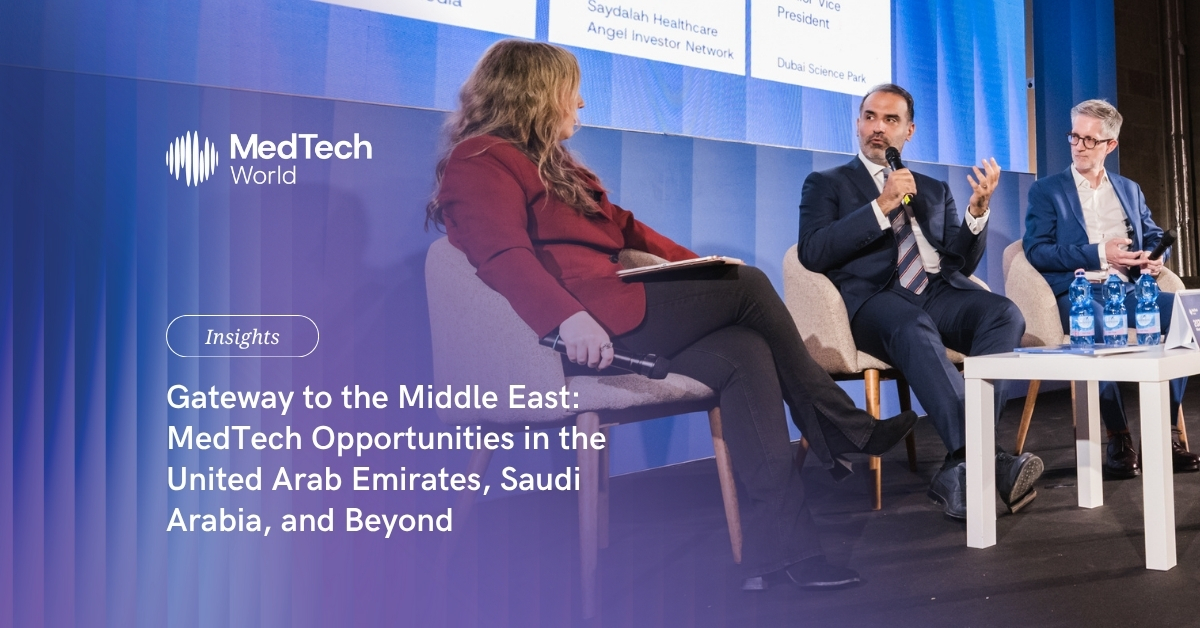
MedTech Malta panel maps path to UAE and Saudi markets
A late-afternoon panel at MedTech Malta on 13 November drew a full room inside Valletta’s historic Mediterranean Conference Centre, as investors, policymakers and industry leaders unpacked the rapidly accelerating MedTech landscape across the Gulf.
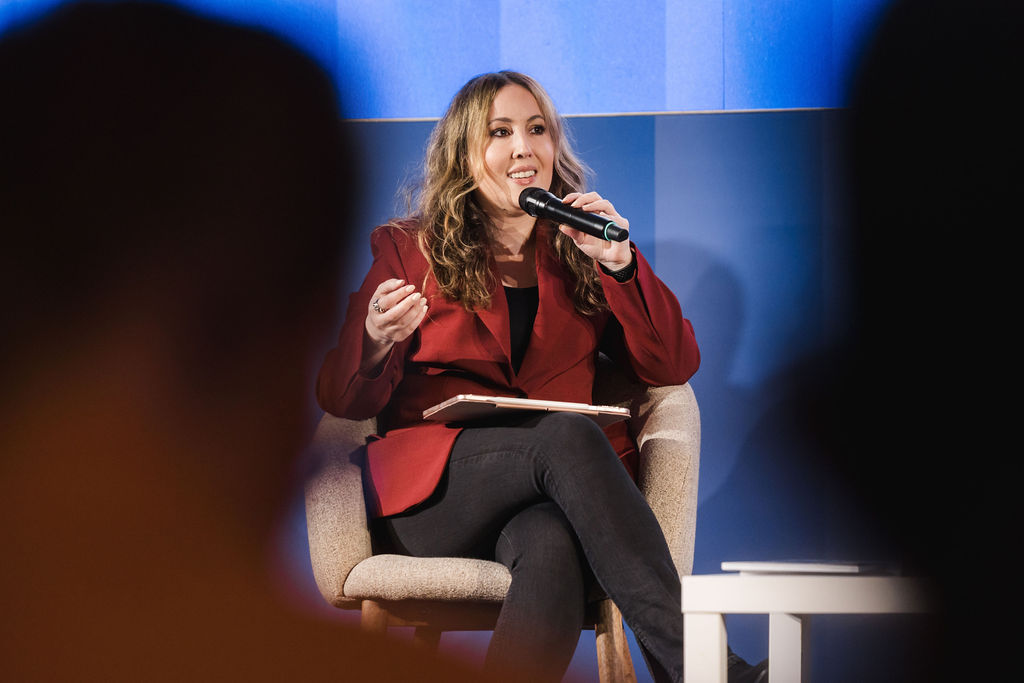
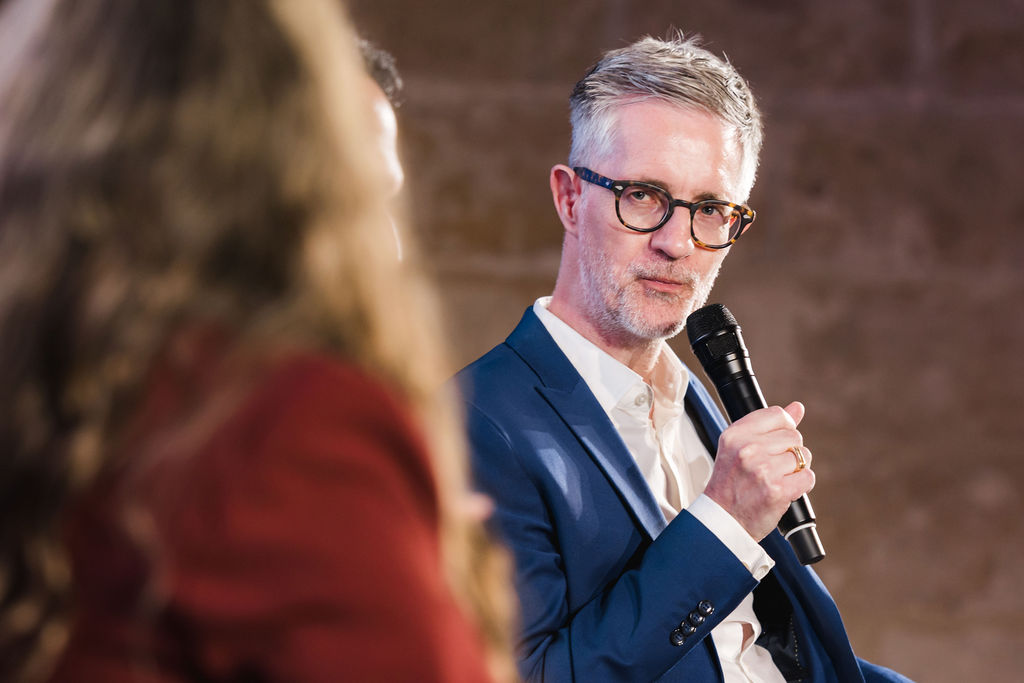
Titled Gateway to the Middle East: MedTech Opportunities in the United Arab Emirates, Saudi Arabia, and Beyond, the discussion was moderated by Rachel McArthur, Editorial Director for MENA Healthcare at Digital Ink Media. Joining her were Marwan Abdulaziz Janahi, Senior Vice President of Dubai Science Park, Dubai Knowledge Park, and Dubai International Academic City at TECOM Group, and Dirk Richter, Chairman of the Saydalah Healthcare Angel Investor Network.
“This is arguably where the money’s at,” McArthur told the audience, describing the Gulf Cooperation Council (GCC) region as the most advanced MedTech environment in the broader Middle East.
Abdulaziz Janahi opened with a candid assessment of why healthcare is commanding unprecedented attention from Gulf governments. “Generally speaking, the GCC want to do better for their citizens. And they want a better healthcare system,” he said. “Technology is obviously one part of it. We need to have the latest and greatest machines and digital infrastructure, but that is only one part. You also need the human element.”
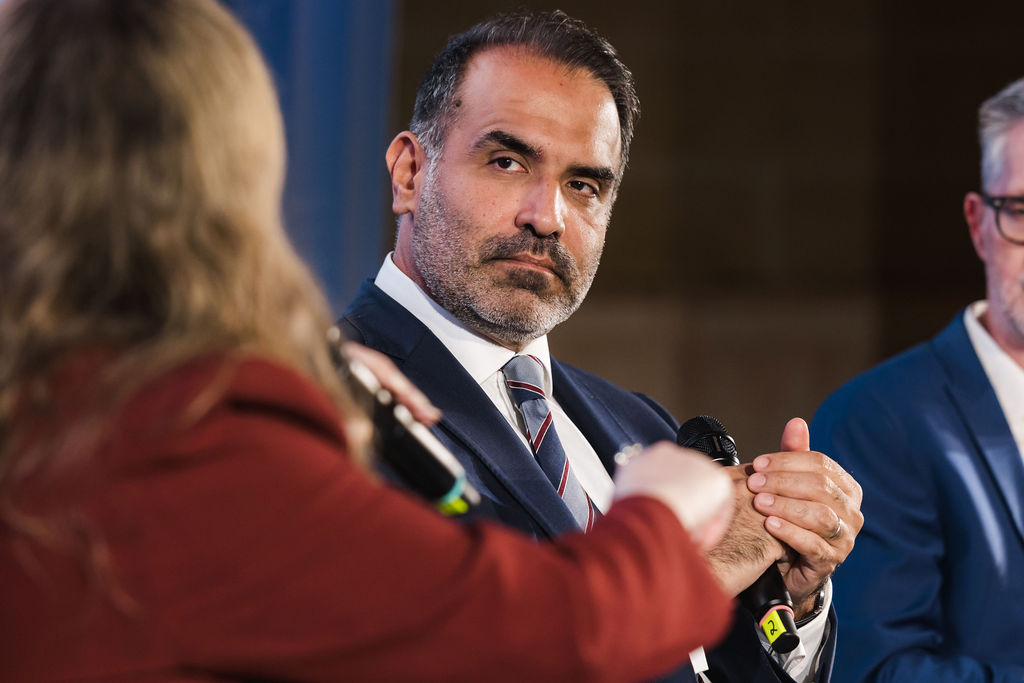
He pointed to the region’s swelling population, its expanding retirement community, and the mounting demand for long-term management of chronic illness. “All of those areas are growing,” he said. “More people to live, more issues for sure, people wanting to live longer.” The longevity sector, both speakers agreed, is currently attracting the greatest attention.
Richter, drawing on experience in both the UAE and Saudi health systems, argued that the shift from episodic to chronic care has fundamentally changed economic models. “Population is getting older, chronic diseases play a more important role,” he said. “If you pay for each single episode, it’s not sustainable. So you have to bundle, you have to take care of chronic patients with multiple diseases.”
Saudi Arabia’s looming capitation model, in which providers receive a set amount to manage each patient’s full care journey, was cited as an example. Such reforms, Richter noted, place huge importance on data infrastructure. “Managing data: that’s one of the big trends. We have a lot of data, but then you need technologies to draw conclusions.”
For all the opportunities, both speakers warned that many non-GCC companies still misjudge the region.
“The biggest mistake is that someone has a product or solution, and they assume it will work,” Abdulaziz Janahi said. He stressed that even when addressing major needs such as diabetes, companies underestimate “the way to market”, including whether to partner with the government or the private sector and how long regulatory pathways can take. “Sometimes it takes a year or two,” he said. “They haven’t planned for that, and then they say, ‘our budgets have run out’.”
Richter agreed, adding that some arrive with unrealistic expectations of investment. “Companies that are not very successful in their home country run away and try somewhere else,” he said. “This market is not an emerging market anymore, what they need to present is quality.”
Both emphasised localisation as essential. “It requires more than a post box,” Richter said. “It’s very beneficial to have a local advisor who understands the local ecosystem.”
Asked whether foreign startups should tackle the whole GCC at once, both speakers advised focus.
“I would start in Dubai,” Abdulaziz Janahi said, arguing that talent availability is the decisive factor. “I’d rather have someone good who can drive the business.”
Richter echoed the point: “Starting in all the GCC countries at the same time doesn’t make sense. They’re too different… In particular, for a startup that has limited resources.”
As the session closed, McArthur asked the panellists for one essential piece of advice for MedTech founders aiming to enter the Gulf within 12 months. Abdulaziz Janahi smiled and kept it simple: “Go to MedTech Summit in Dubai.”
Richter added that Abu Dhabi also offers a strong landing pad, but both agreed that spending time in the region, meeting stakeholders and understanding the landscape remains the surest route to success.
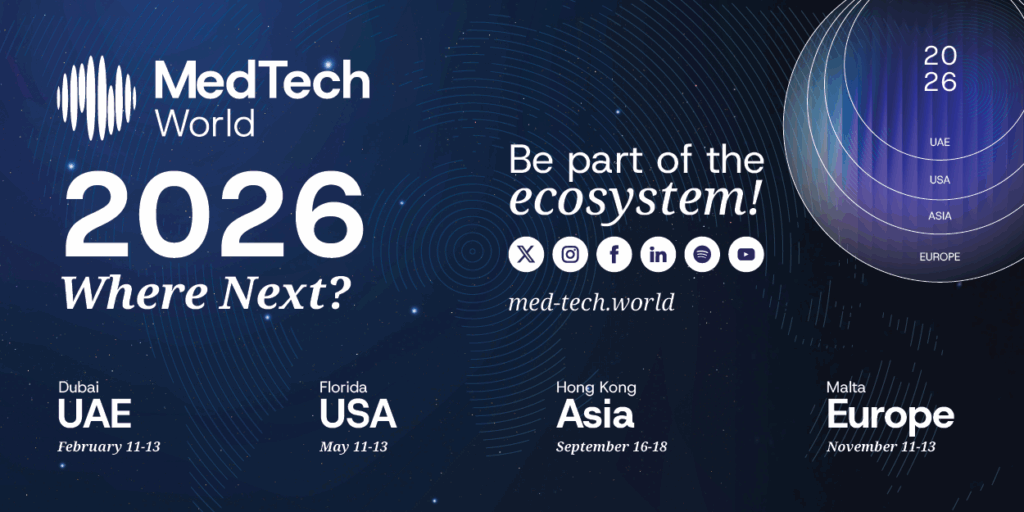
The momentum continues in 2026 as MedTech World expands its reach with four flagship events across the globe. From the Middle East to Europe and beyond, each gathering will bring together leaders, startups, and investors to connect, collaborate, and advance healthcare. Register your interest now to be part of MedTech World’s 2026 calendar.