- Summits
- Sponsorship Plans
- News
- About
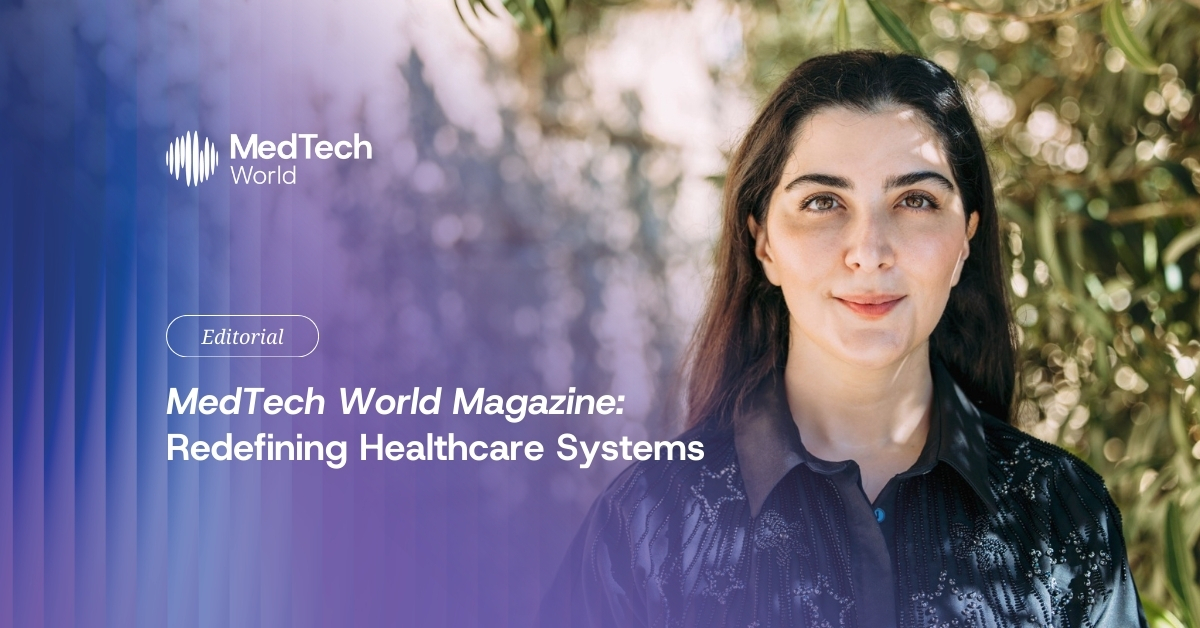
Modern healthcare systems are under unprecedented strain. The global rise of chronic diseases, mental health challenges, aging populations, and climate-related health risks have exposed the limits of infrastructures designed primarily for acute, episodic care. According to Dr Narges Sheikhansari, an executive advisor and public health expert, “healthcare systems are confronting complex, long-term health risks using frameworks built for short-term medical intervention,” highlighting the growing need to strengthen governance and better translate abundant evidence into coordinated, preventive action across sectors.
The need for alignment becomes particularly evident in how longevity is defined. For decades, increased life expectancy has been the major measure of success, often overlooking the quality of life in those added years. Dr. Sheikhansari calls for a more meaningful reframing, one that moves beyond survival to sustained wellbeing. “Longevity should be redefined not as the extension of life alone, but as the extension of healthy, functional, and meaningful years of life.” Reframing longevity around healthspan places physical function, cognitive resilience, and social participation at the center of public health strategy. It also shifts the policy lens upstream, recognizing that healthy aging is shaped across the life course through early investment in mental wellbeing, metabolic health, supportive environments, and social connection.
This broader perspective helps explain why population health has become central to sustainable healthcare. Poor population health is no longer solely a clinical concern; it carries significant economic and social implications. Rising non-communicable diseases reduce workforce participation, increase long-term care needs, and place sustained pressure on public finances. “Healthcare systems cannot compensate indefinitely for poor population health,” Dr. Sheikhansari explains. “When governments invest in population health, they reduce long-term healthcare expenditure, strengthen workforce resilience, and support social stability.”
Despite growing consensus around prevention, structural constraints continue to shape how health systems operate. Financing mechanisms still prioritize treatment volume over outcomes, and performance is often assessed by services delivered rather than disease prevented. Prevention, by contrast, delivers its benefits over longer time horizons and across multiple sectors, requiring coordination that extends well beyond the healthcare system. “Prevention demands shared accountability,” she emphasizes. “Without aligned incentives and cross-sector governance, systems remain reactive; treating consequences rather than shaping conditions for health.”
The challenge is particularly visible in the global rise of non-communicable diseases. Conditions such as obesity, diabetes, and cardiovascular disease are influenced by food systems, urban design, work patterns, stress, and socioeconomic factors; determinants that sit largely outside the healthcare settings. While individual behaviors and choices play a significant role, the living and working environments also matter. “Healthy choices are only possible when systems make them accessible and sustainable,” Dr. Sheikhansari notes. “Public health succeeds when responsibility is shared between individuals, institutions, markets, and governments.” These dynamics also help explain why reactive models of care are increasingly being reconsidered. Systems designed primarily to respond after illness occurs face growing pressure as populations age and multi-morbidity becomes more common. Dr. Sheikhansari asserts that “addressing these realities requires a stronger emphasis on predictive analysis, early intervention, and policy-led prevention.”
Crucially, decisions made today have consequences far beyond the short-term health outcomes. Policies on nutrition, mental health, education, urban planning, and women’s health establish the foundations into which the next generation is born. “Public health is a legacy function,” Dr. Sheikhansari reflects. “Every policy decision either compounds risk or builds resilience over time.” Redefining public health in this way requires more than technical reform. It demands long-term vision, coordinated governance, and a societal shift that values prevention and healthy choices. The transition from reactive care to population-level prevention is not optional; it is essential to building resilient societies capable of thriving in the decades ahead.
Get featured in MedTech World Magazine, a curated publication for senior decision-makers across the global MedTech ecosystem. Distributed at MedTech World’s flagship events, each edition extends on-stage conversations into practical industry insight.
Read this edition, or apply to be featured.