- Summits
- Sponsorship
- Retreats
- Media Opportunities
- News
- About
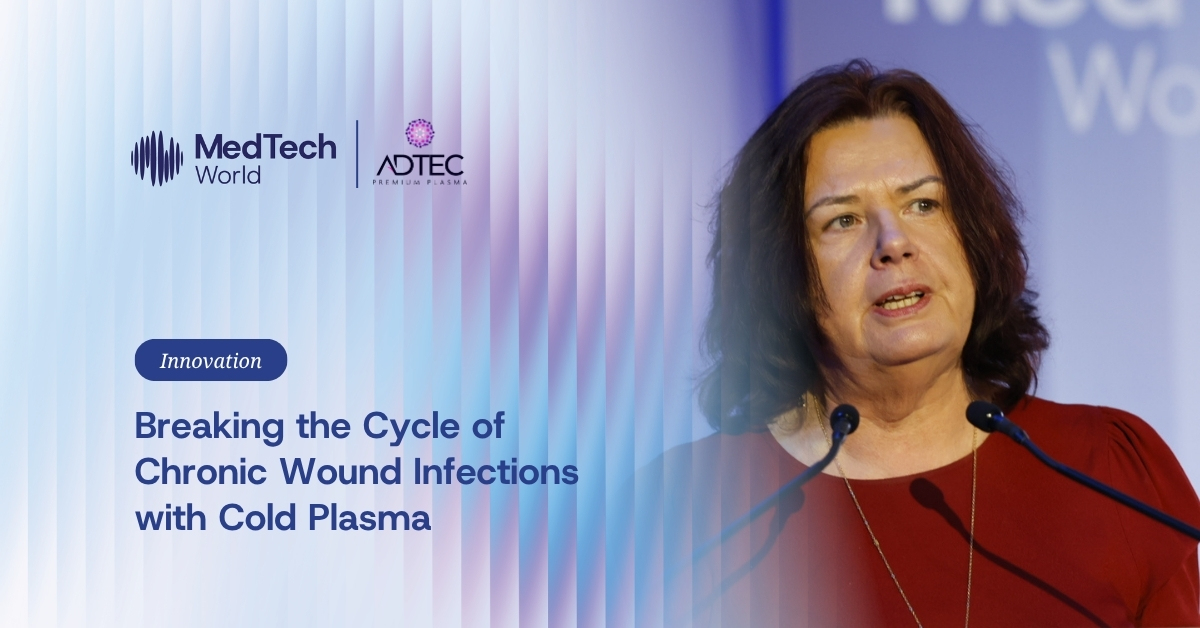
Chronic wound infections remain one of the most persistent challenges in healthcare, often resisting standard treatments and placing a long-term burden on patients and healthcare systems alike. In a conversation with Mary McGovern, CEO of Adtec Healthcare, it becomes clear that the issue extends far beyond clinical complexity, touching nearly every aspect of a patient’s life while exposing the limitations of conventional care.
Adtec Healthcare is a UK-based medical device company focused on developing cold plasma technology for infection management, particularly in wound care. Its flagship technology, SteriPlas, uses a physical mode of action to target bacteria, including those protected within biofilms, offering an alternative to traditional antimicrobial approaches.
For many patients, the impact of chronic wounds goes well beyond the physical. As McGovern explains, “chronic wounds affect far more than physical symptoms. Patients often experience reduced mobility, persistent pain, and a loss of independence. This can lead to social isolation, anxiety, and depression, while also impacting employment and placing significant emotional and practical strain on family members and caregivers.”
This broader burden is often compounded by systemic gaps in care. Delayed intervention, heavy reliance on antibiotics, and underlying comorbidities such as poor vascular health or diabetes all contribute to wounds becoming long-term conditions. Fragmented care pathways further complicate recovery. “Together, these create a cycle where infections persist, wounds fail to heal, and patients undergo repeated, often ineffective treatments,” she notes.
In practice, this cycle can last for years. McGovern points out that it is not uncommon to encounter patients who have undergone multiple interventions with little success. “In many cases, infection remains unresolved, leading to prolonged discomfort, reduced quality of life, and increasing frustration for both patients and clinicians.”
A key reason behind this persistence lies in the limitations of standard treatments. While antibiotics, dressings, and debridement remain central to wound care, their effectiveness in chronic cases is often partial. “They may reduce bacterial load temporarily but do not always fully eradicate infection, particularly in complex or chronic wound environments where bacteria can persist,” McGovern explains.
The challenge becomes more pronounced with the presence of biofilms and antibiotic-resistant bacteria. These biofilms act as protective barriers, shielding bacteria from both treatment and the immune system. As McGovern puts it, “when combined with antibiotic resistance, bacteria become highly resilient, making them significantly more difficult to eliminate using conventional approaches.”
It is within this context that alternative approaches, such as cold plasma, are gaining attention. Unlike traditional therapies, cold plasma operates through a physical mode of action. Referring to the SteriPlas Premium Cold Plasma, McGovern explains that it “disrupts and destroys bacteria, including resistant strains and bacteria embedded in biofilm, resulting in more effective infection control and improved healing progression.”

The technology is designed to penetrate biofilms and eliminate bacteria at the source, helping to accelerate healing and break the cycle of infection that often persists with standard care.
Rather than replacing existing therapies, cold plasma is being positioned as a flexible addition across the care pathway. “It can be used early to prevent infection escalation, as an adjunct alongside standard therapies, or in chronic cases where conventional treatments have failed to deliver results,” McGovern says.
However, adoption is not without its challenges. Limited awareness, resistance to changing established practices, and reimbursement considerations continue to slow uptake. There is also a need for greater education on how such technologies can be integrated into routine care.
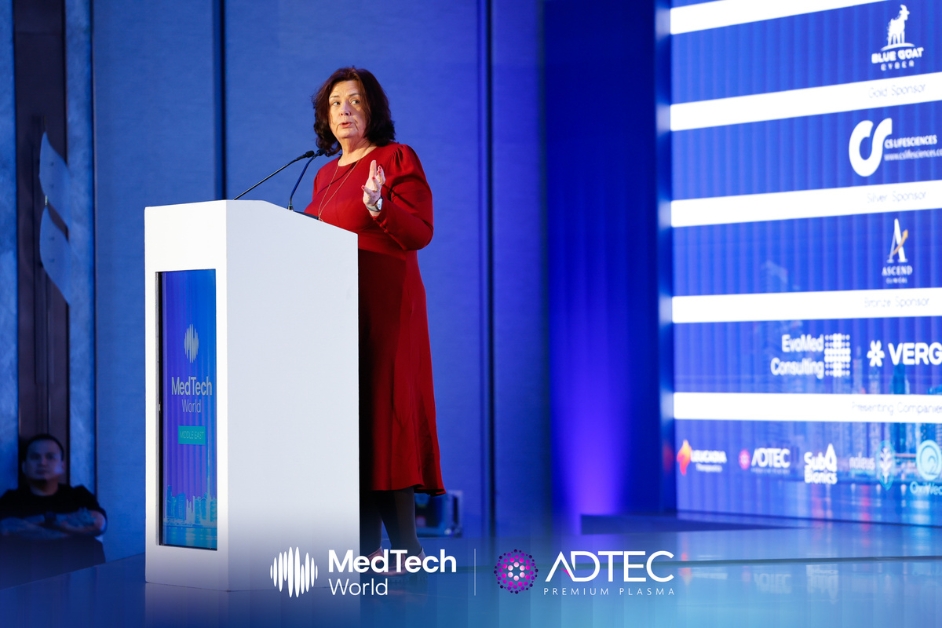
At the same time, McGovern emphasises the importance of shifting the broader clinical mindset. “A shift in clinical mindset is needed, moving from reactive to proactive care. Earlier recognition of infection and intervention with technologies that address root causes can help prevent wounds from becoming chronic and difficult to treat.”
Collaboration also plays a critical role. Effective management of chronic wounds depends on coordinated input across disciplines. “Multidisciplinary collaboration is essential. Coordinated input from surgeons, nurses, wound specialists, and primary care providers ensures continuity of care and supports more effective, patient-centred treatment strategies,” she explains.
Beyond patient outcomes, the implications for healthcare systems are notable. Breaking the cycle of recurring infections and prolonged treatment could reduce hospital stays, lower readmission rates, and improve cost efficiency. “There is clear potential to reduce hospital stays associated with bed occupancy, lower readmission rates, and improve overall cost efficiency,” McGovern adds.
For Adtec Healthcare, the goal is to challenge traditional approaches to infection management by addressing infection at its source through physical mechanisms, reducing reliance on conventional antimicrobial strategies.
The broader message, however, extends beyond any single technology. As McGovern concludes, “chronic wound infections are not inevitable. With earlier intervention and the adoption of innovative technologies like the SteriPlas Premium Cold Plasma, outcomes can be significantly improved for patients.”
As antimicrobial resistance continues to rise, that shift, from managing infection to actively resolving it, may become increasingly important in how chronic wounds are treated.