- Summits
- Sponsorship
- Retreats
- Media Opportunities
- News
- About
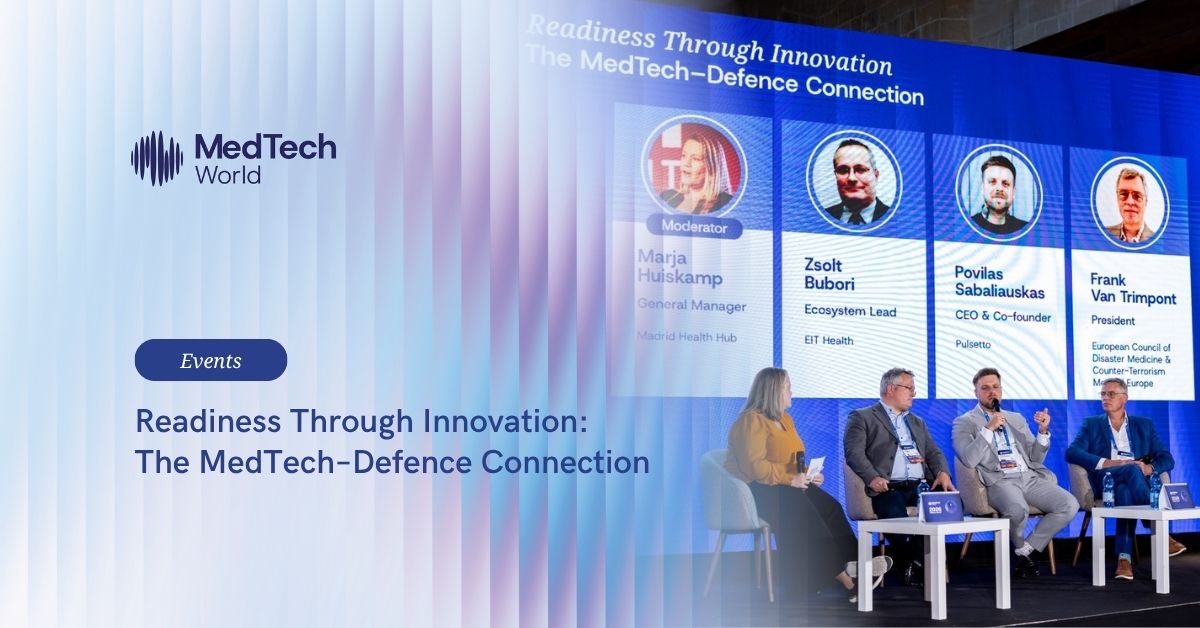
A conversation around the fast-changing intersection of defence and healthcare took centre stage at MedTech Malta 2025, the three-day gathering hosted at Valletta’s historic Mediterranean Conference Centre. Experts from across Europe warned that institutions must embrace faster decision-making, deeper collaboration and hard-won lessons from conflict zones if they want to face the crises ahead.
The panel, Readiness Through Innovation: The MedTech–Defence Connection, brought together voices from digital-health hubs, disaster-medicine specialists and frontier neurotechnology. What united them was a sense that the world has changed faster than systems built for stability can keep up with.
Moderating the panel, Marja Huiskamp of Madrid & Barcelona Health Hub, a non-profit digital-health ecosystem connecting more than 500 startups, hospitals, universities and investors, asked the speakers to share concrete cases of how defence and healthcare are reshaping one another.
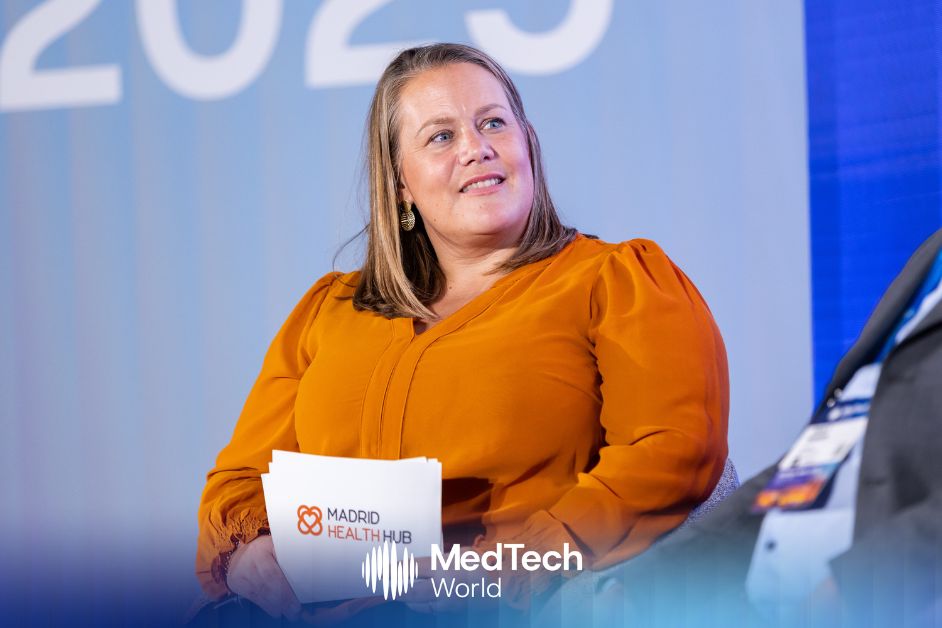
Zsolt Bubori, Ecosystem Lead at EIT Health, stepped in first. His organisation, cofounded by the European Union, is a pan-European network that links business, research and education to drive innovation in health and ageing.
Sharing frontline examples from the network, he said: “We have already supported the setting up and creation of mobile surgery setups, robotic surgery spaces where you can operate in the field. We are now able to set up within hours a surgery room for the soldiers”.
He added that telemedicine has been pushed far beyond peacetime limits: “We have been supporting many collaborations to organise the planning, creation and execution of telemedicine solutions in places where accessibility to physicians and infrastructure is very limited and not safe”.
Drone supply lines, he said, have become a lifeline: “The drone logistics that we can use to deliver healthcare tools and equipment need an information system that will guide you in creating the logistics processes”.
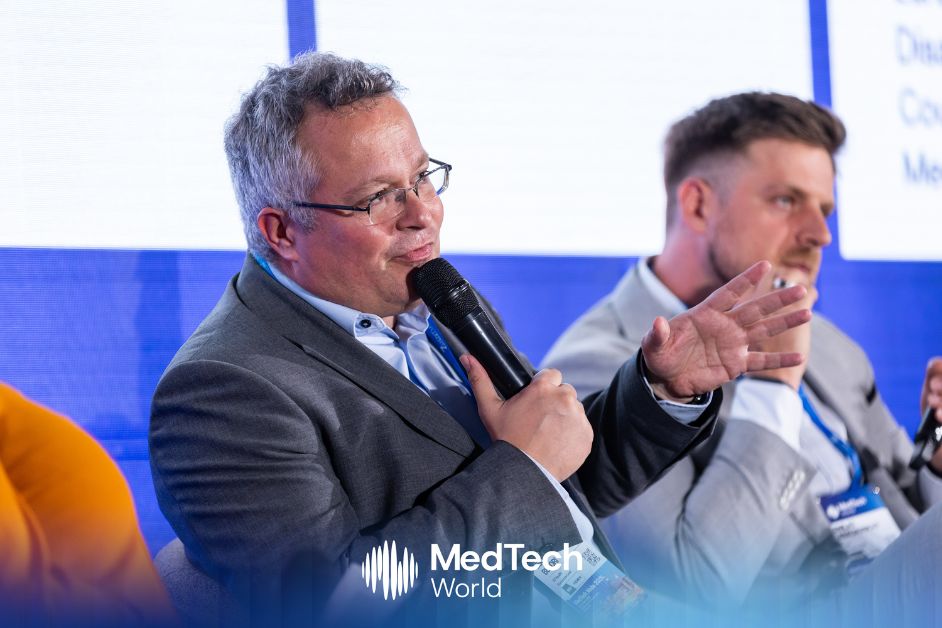
For Povilas Sabaliauskas, CEO of Pulsetto, the shift is also cultural. Startups, he suggested, often discover defence needs only by accident. His company built a vagus-nerve stimulation device for stress and recovery, but later saw how “technology can be very beneficial” for extreme environments. “We now try to adapt our technology for these special needs,” he explained.
Frank Van Trimpont, president of the European Council of Disaster Medicine, reminded the audience that civilians are often the true frontline. “When we speak about defence, it’s not only about soldiers, the population must benefit as well”. Innovations developed for war zones, he argued, must also serve communities struck by disasters.
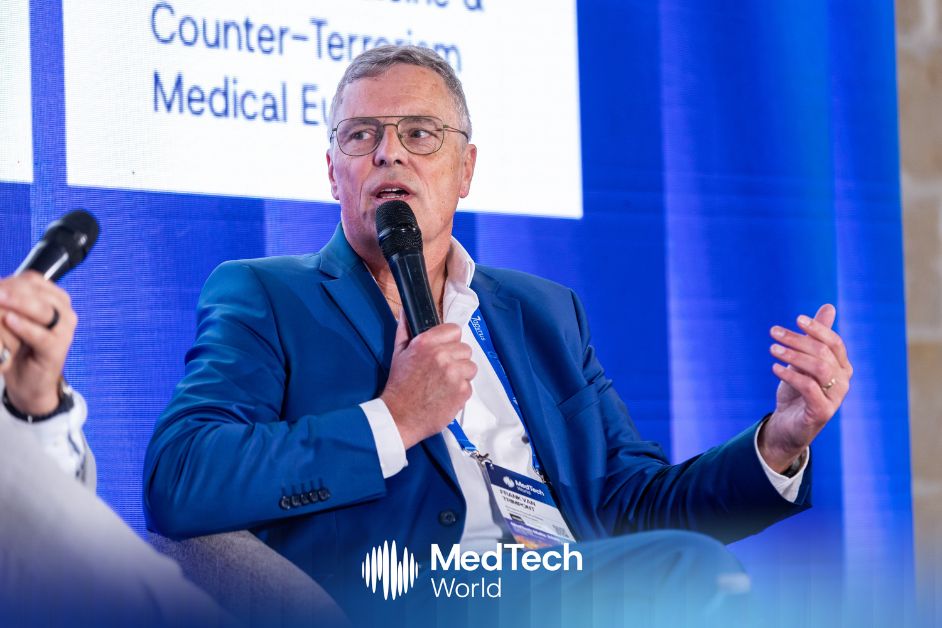
The urgency of wartime medicine sits uneasily beside the slow machinery of peacetime regulation. Asked what healthcare systems could learn from crisis-driven innovation, Van Trimpont admitted: “We cannot wait for all the results to use some of these very needed innovations. We have to innovate in this area as well and find new ways to get approval.”
Sabaliauskas could not agree more. “Bureaucracy often leaves startups feeling stuck, as if there’s a chain on their feet. Sometimes you just think, ‘Okay, I need to go to another country’, because it’s faster.”
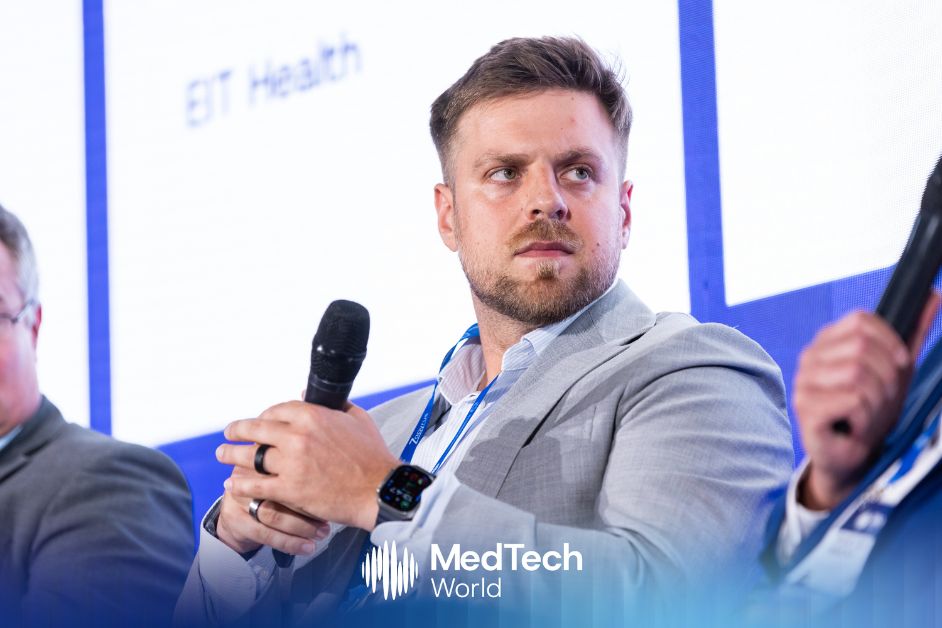
Bubori offered a defence of Europe’s caution, and a warning. “We are slow and we’re over-regulated, and it’s true that this gives us a competitive disadvantage,” he said. “But please consider that you are living in one of the safest places on Earth, because you can trust the food you eat and you can trust the healthcare you receive.”
Yet even he argued the balance must shift. The world, he said, is moving too fast for “the luxury to work in a standard, safe, slow environment.” Pointing to the COVID-19 vaccine rollout, he added: “We delivered a vaccine in only a year, and it saved so many people’s lives.”
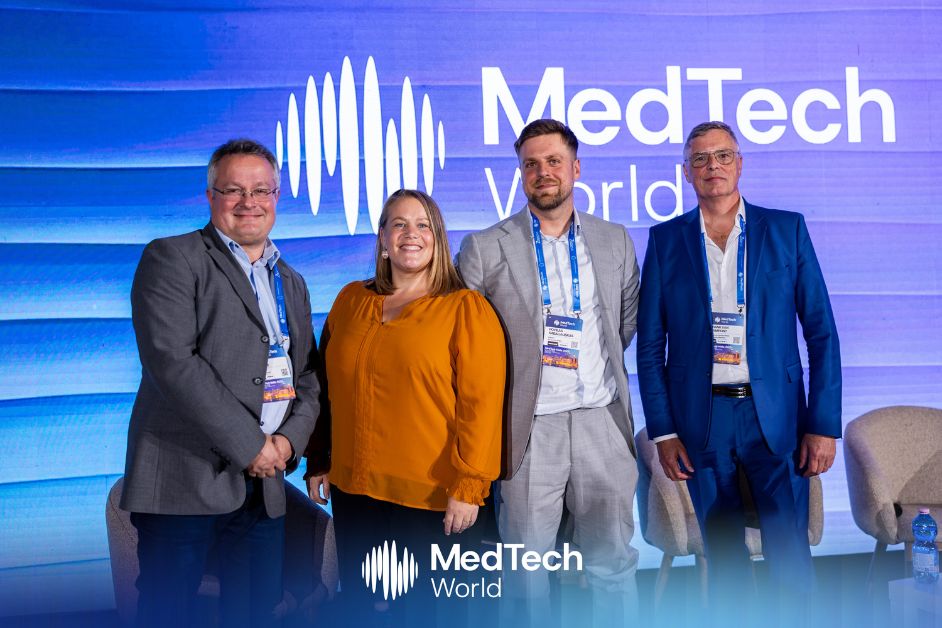
Despite tensions between military urgency and civilian caution, all three speakers insisted that the two cultures are moving closer.
“The gaps,” Van Trimpont said, “are a bit less important than a few years ago”. Military exercises are becoming testbeds for innovations that later reach civilian hospitals, a reversal of the traditional flow of medical advances, he explained.
Still, major fractures remain. Universities and businesses often struggle to collaborate effectively. Sabaliauskas argued that “the biggest gap is between universities and business”.
Bubori believes a third pillar is missing: field experience. “We need real experience from the field. People in the war zones will tell us how we can deliver better healthcare.”
As Huiskamp wrapped up, she distilled the afternoon’s arguments into a single line: speed over perfection, less bureaucracy, and above all, collaboration.
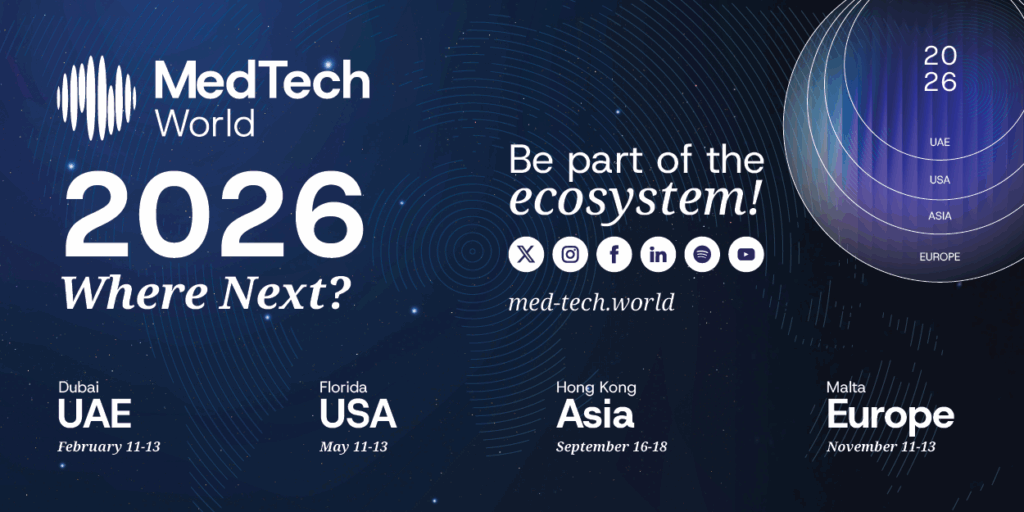
If you missed this year, make sure you don’t miss what’s coming next. With four flagship events planned for 2026, the pace is picking up, and the community is expanding fast.
The journey continues with MedTech World Dubai 2026 from 11 to 13 February. Register your interest, stay updated, and join a global community that is ready to welcome you.