- Summits
- Sponsorship
- Retreats
- Media Opportunities
- News
- About
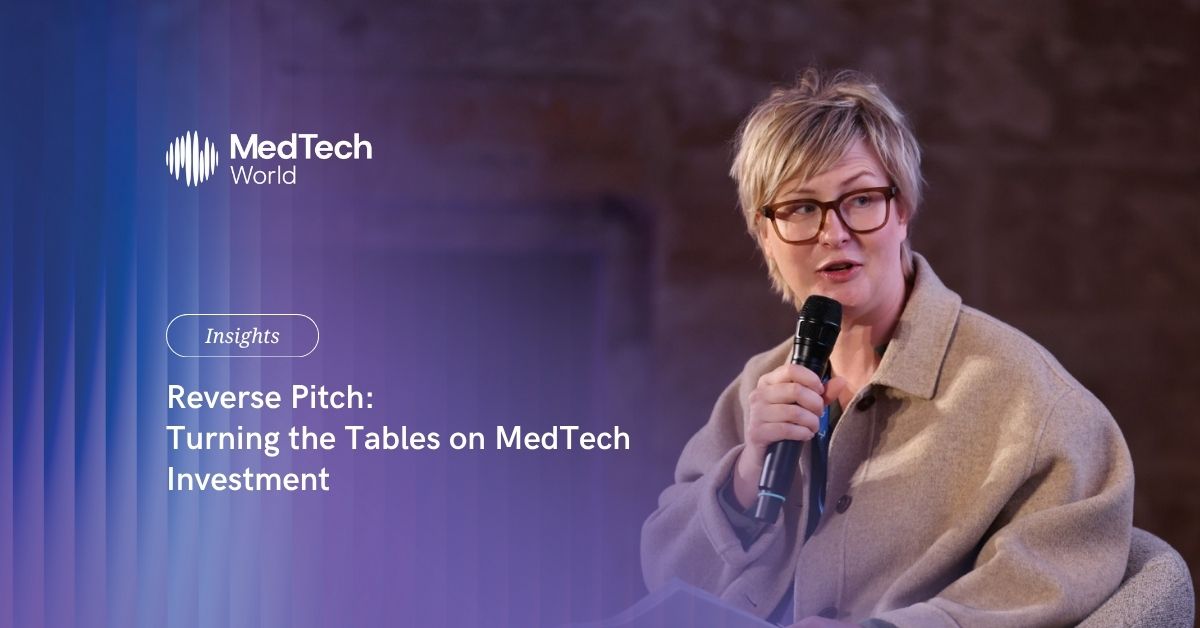
Day 1 at MedTech Malta 2025 brought investors to the hot seat in an honest and insightful discussion on what really makes startups succeed. When startup founders take the stage, they’re used to pitching to investors. But what happens when the tables turn?
In one of the most dynamic and refreshing sessions of Day 1 at MedTech Malta 2025, the panel “Reverse Pitch: Turning The Tables” invited leading investors to pitch themselves, revealing how they think, what they look for in founders, and the realities of turning promising ideas into lasting companies.
The session was moderated by Anna Badurska, CEO & Founder of 42 Global Ventures, who led a lively and introspective discussion with a powerhouse panel: Greg Madden, Managing Partner, SV Health Investors; Chris Japp, Partner, Tramway Ventures; Shai Policker, Managing Partner, Edge Medical Ventures; and Fred Ginnebaugh, Executive in Residence, KCK MedTech.
Anna opened the conversation with a playful challenge:
“How would you pitch yourself? And if you were a startup, what would be your unique value proposition?”
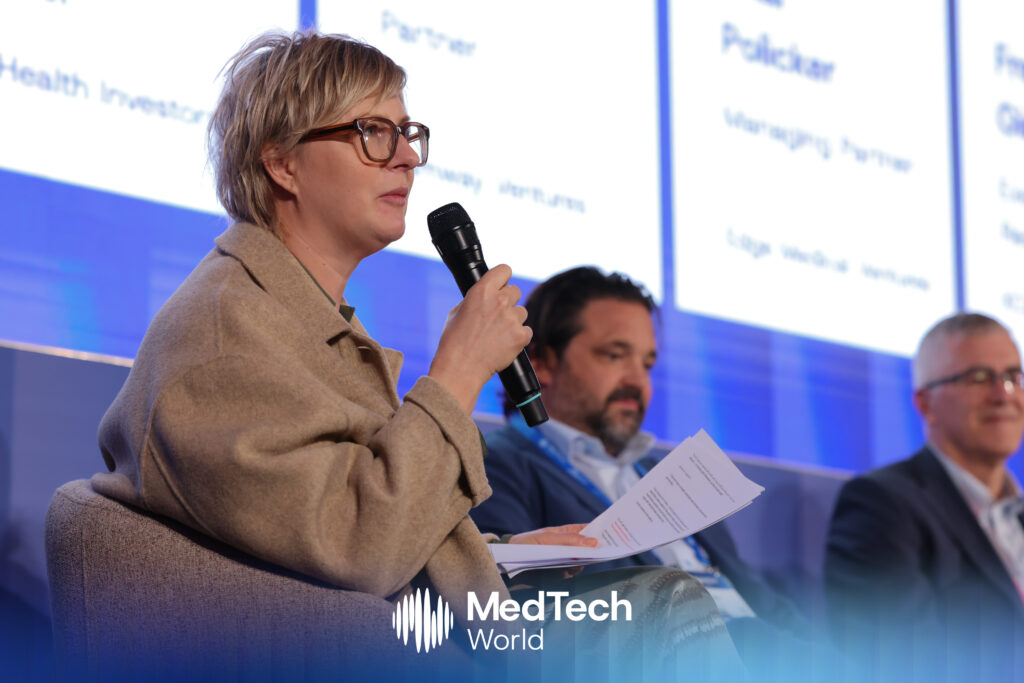
Greg Madden described SV Health Investors’ broad and hands-on investment strategy, spanning venture to buyout stages in both MedTech and health tech:
“We’re thematically driven and executive-led. When we talk to an entrepreneur, we’ve already validated that we like their sector; we’re not learning it from them. We partner with our entrepreneurs to build solutions that are efficacious, cost-effective, and accessible.”
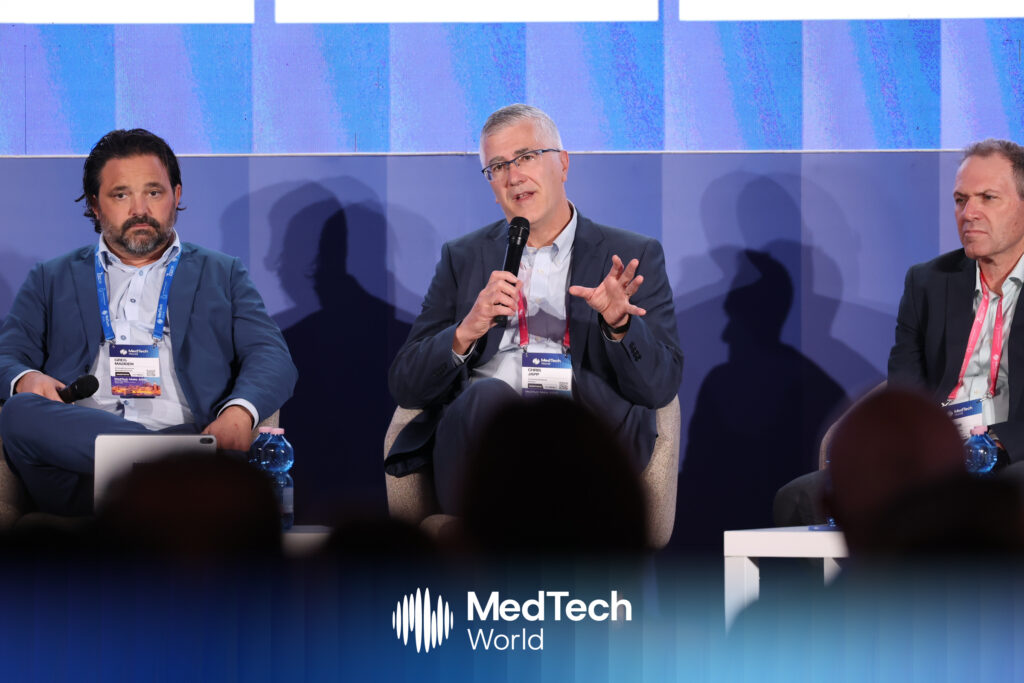
For Chris Japp, Tramway Ventures’ identity is rooted in geography and community.
“We’re based in New Mexico and our biggest investor is the state itself. We focus on building MedTech and biotech companies locally, or helping new ones relocate there by connecting them to our ecosystem of national labs and strategic partners.”
Shai Policker highlighted Edge Medical Ventures’ cross-continental approach, linking innovation between Israel and the United States.
“We’re hands-on investors. If we can’t see a way to add value beyond funding, it’s probably not a fit. Our strength is in helping global startups make that crucial first step into the U.S. market efficiently, and with the right people beside them.”
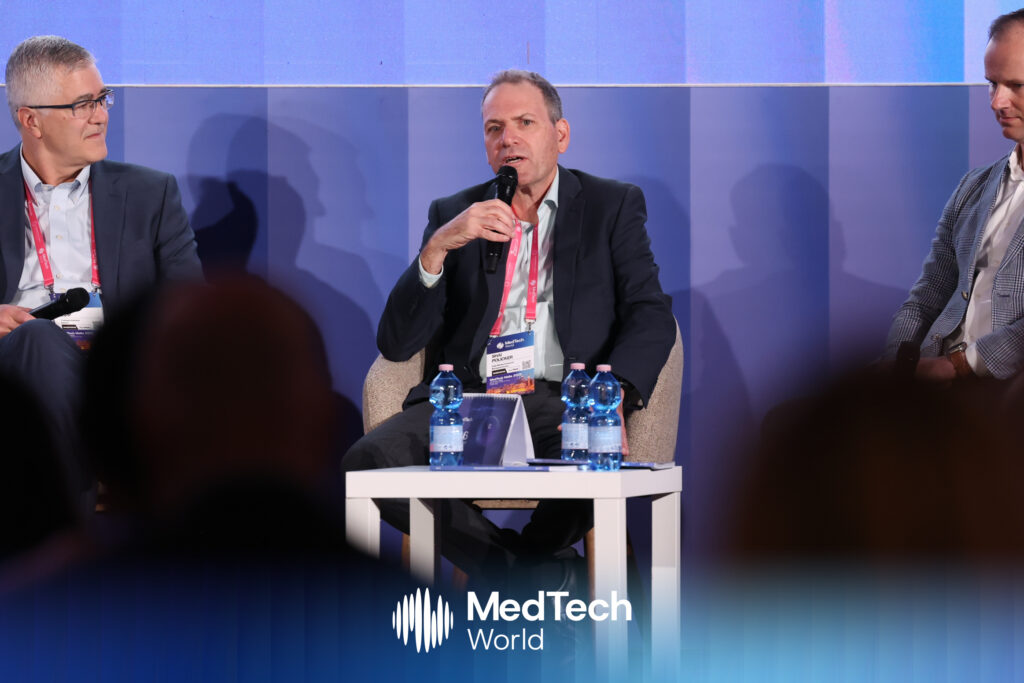
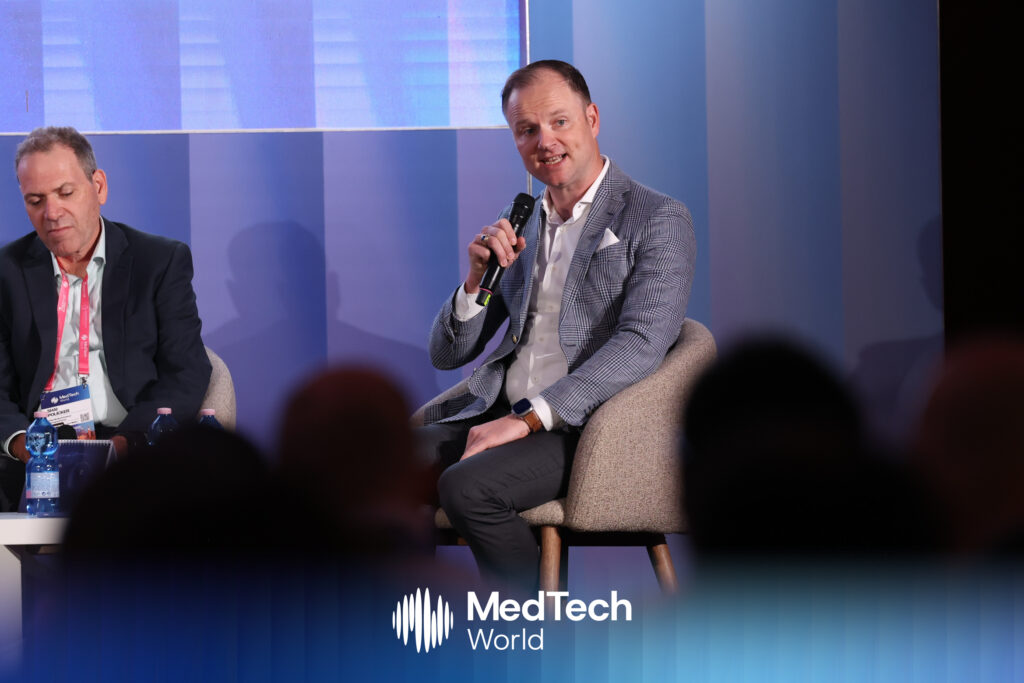
Fred Ginnebaugh brought a different perspective from KCK MedTech, an evergreen family-sponsored fund that takes a long-term, deeply operational view.
“We focus on late-stage growth, and we’re all ex-operators. Our team doesn’t just invest, we embed. We’re forward-deployed executives, rolling up our sleeves to help companies overcome commercialisation challenges.”
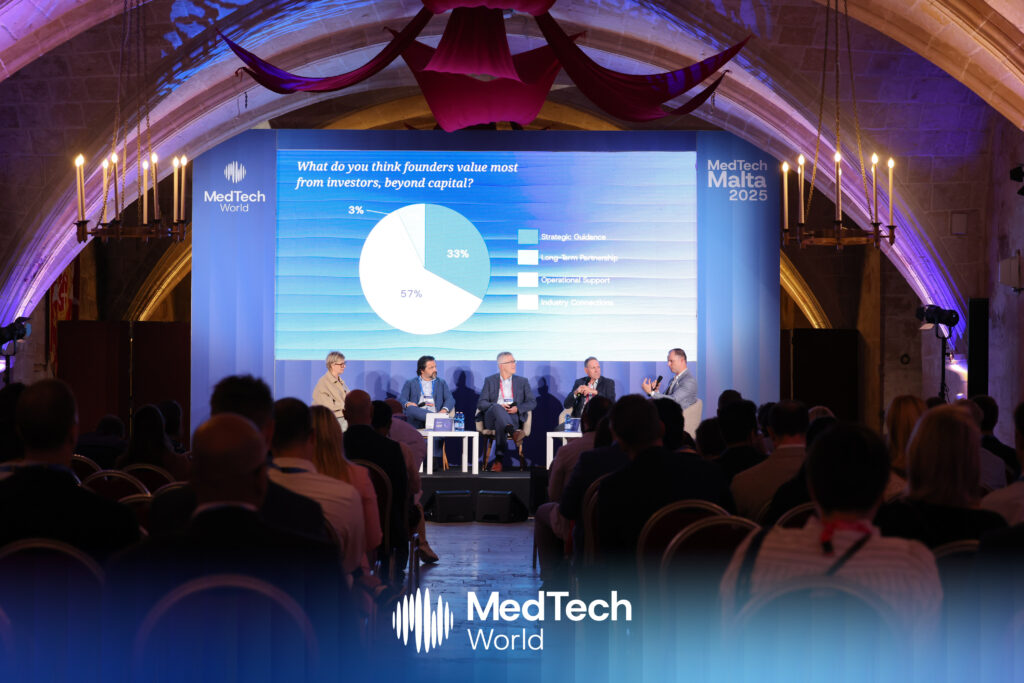
A live poll during the panel revealed that 57% of the audience believed “industry connections” are the most valuable thing founders seek beyond capital. The panellists unanimously agreed and went further, sharing stories of how hands-on support and board-level involvement often make or break a company’s trajectory.
Chris Japp shared how Tramway Ventures helps early-stage founders build strong leadership teams:
“Often, the technology is brilliant, but the founding team isn’t yet ready for commercialisation. Sometimes, that means stepping in — I recently served as interim CEO to help one company attract investors and right-size its operations.”
Fred Ginnebaugh added that KCK’s deep operational experience allows them to prepare companies for long-term growth, not just exit.
“Success doesn’t always mean monetisation. It can also mean building a company that continues to thrive for a decade after our investment.”
Greg Madden shared a striking example of a portfolio company that pivoted its entire model within the first year, from a device-focused company to a device-enabled services provider.
“We helped them acquire a services firm, reposition the business, and eventually exit for $400 million. It wasn’t easy, but it shows what can happen when investors are hands-on and aligned with founders.”
When the audience was asked about the most underestimated factor in startup success, a clear winner emerged: founders’ mental resilience.
The panelists didn’t shy away from discussing how emotional endurance, team chemistry, and trust often matter as much as technology or funding.
Shai Policker spoke about seeing resilience tested in extraordinary circumstances:
“Some of our founders had to leave for military service during the war, yet came back leading with renewed strength. It’s not something you can predict; resilience shows itself in crisis.”
Greg Madden added:
“Even small mistakes are expensive. Big ones can kill a company. That’s why alignment and trust are everything. We try not to micromanage, but we make sure vision and economics are shared from day one.”
Chris Japp pointed to team chemistry as another overlooked ingredient:
“If there’s tension or ego in the founding team, that’s a red flag. This is a long-term partnership — five, seven, sometimes ten years. The chemistry has to work.”
By the end of the session, what began as a “reverse pitch” evolved into a masterclass on partnership, trust, and human leadership in MedTech investment. The panelists agreed: great startups are built not only on innovation, but on people — founders who listen, adapt, and persevere, and investors who engage, guide, and believe.
As Anna Badurska summed up with a smile:
“I think I’d invest in all of you personally.”
MedTech Malta 2025 continues with more thought-provoking sessions, networking, and opportunities to connect with the minds that create a difference in healthcare.
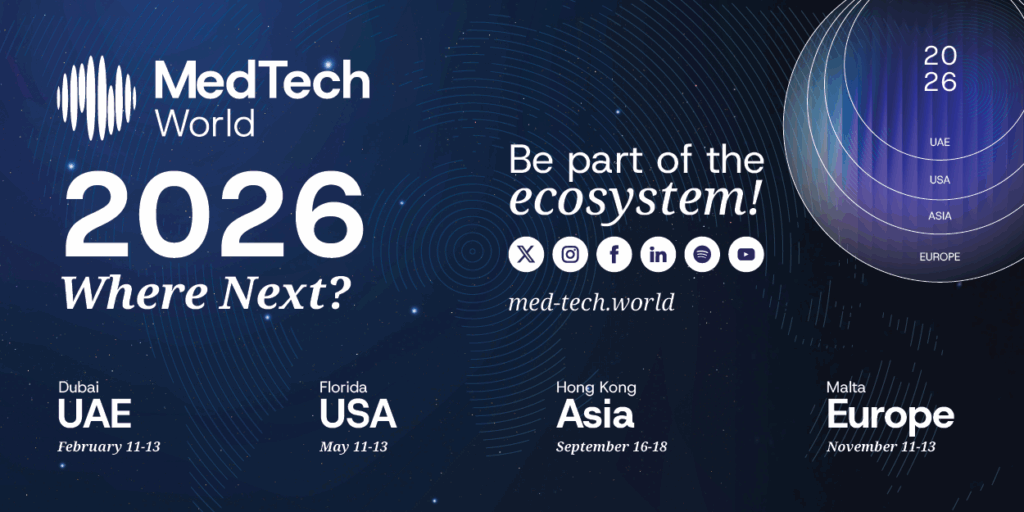
Join MedTech World in 2026 across its four flagship global events and be part of the conversations that matter most in MedTech innovation.