- Summits
- Sponsorship
- Retreats
- Media Opportunities
- News
- About
For many MedTech startups, building the technology is only half the challenge. The harder part is getting health systems to adopt it. Between regulatory hurdles, reimbursement complexities, procurement structures, operational pressures, and long sales cycles, even strong innovations can struggle to gain traction inside large healthcare organizations.
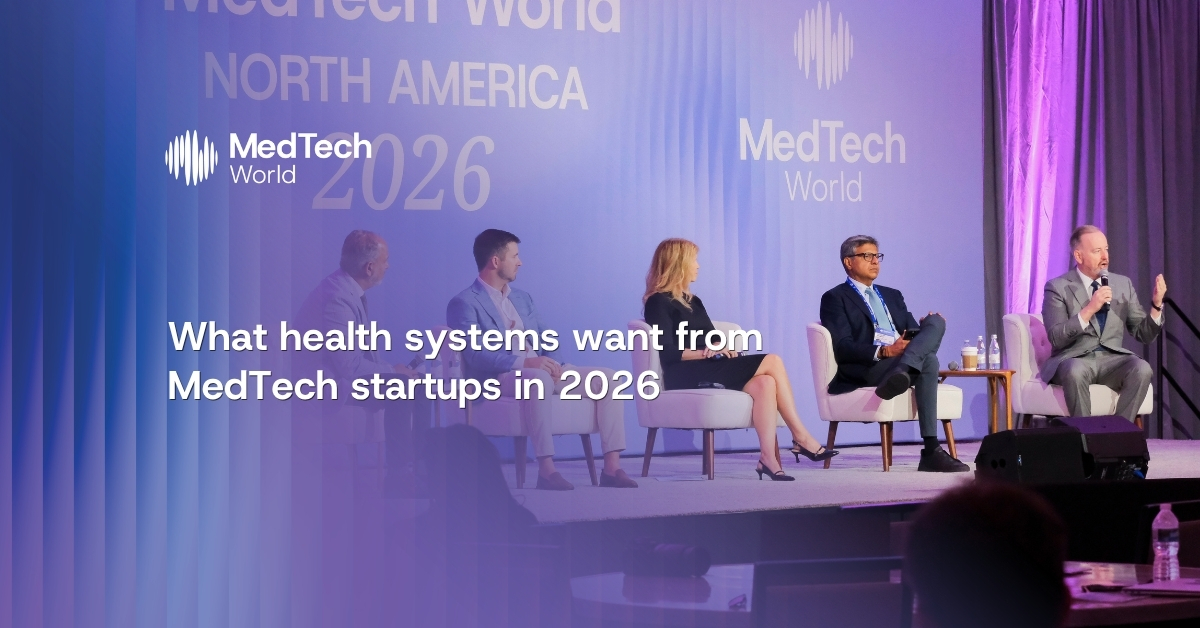
That challenge took center stage at MedTech World North America 2026 during the panel “Cracking the Enterprise Health System: How to Sell and Scale in 2026,” where leaders from healthcare systems, policy, law, and MedTech shared what buyers are actually looking for, and what companies need to understand if they want to scale successfully in today’s healthcare environment.

Moderated by Wael Barsoum, President and Chief Transformation Officer, Healthcare Outcomes Performance Company (HOPCo), the discussion featured George Stephen LeMieux, Chairman of the Board, Gunster; Dr. Dipen J Parekh, CEO, Executive Vice President, University of Miami Health System, UHealth, Health Affairs at the University of Miami; Mary C. Mayhew, President & CEO, Florida Hospital Association; and Cody Simmons, Co-Founder & CEO, DermaSensor Inc. Together, the panel explored the realities of selling into enterprise healthcare systems and the structural challenges innovators continue to face.
Barsoum opened the discussion by highlighting one of healthcare’s biggest contradictions: while the United States remains a global leader in highly specialized care, accessing routine healthcare services remains difficult for many patients.
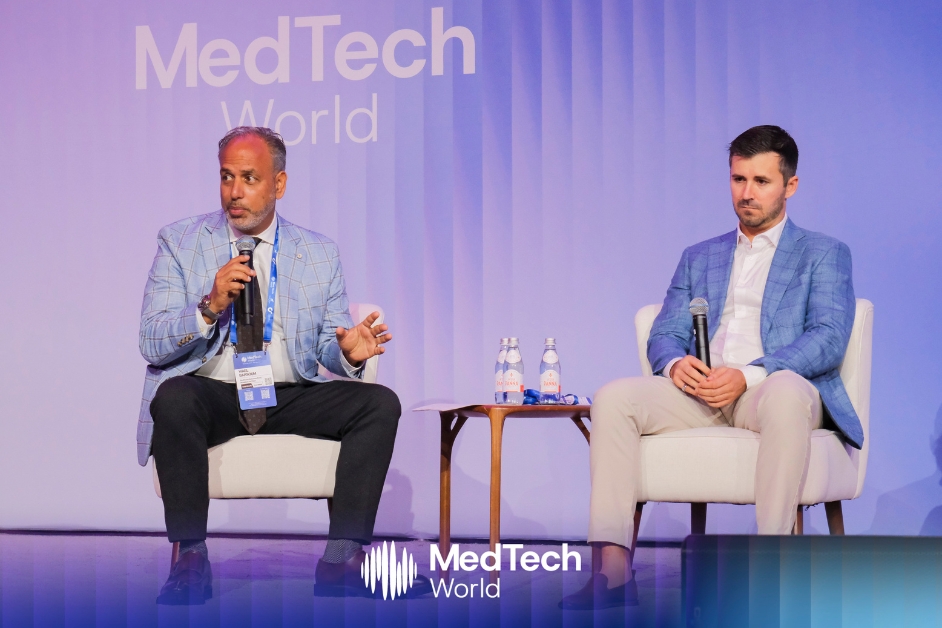
The panel agreed that innovation today must focus not only on clinical breakthroughs, but also on improving access and operational efficiency.
Parekh pointed out that specialist shortages are affecting patients across both rural and urban communities. At the University of Miami Health System, he explained, wait times for certain specialties can stretch between six and nine months.
“Access to healthcare is really broken,” he said, emphasizing that workforce shortages and rising demand continue to strain the system.
Artificial intelligence quickly emerged as one of the panel’s central themes, with speakers describing how AI is already reshaping healthcare delivery.
Parekh explained that his health system evaluates AI across three areas: access, efficiency, and outcomes.
On the access side, AI-powered outreach systems are helping identify and schedule patients more effectively. He shared an example involving automated outreach for mammography screenings, where AI-driven systems outperformed human agents in scheduling appointments while operating continuously without downtime.
The efficiency gains, however, may be even more immediate.
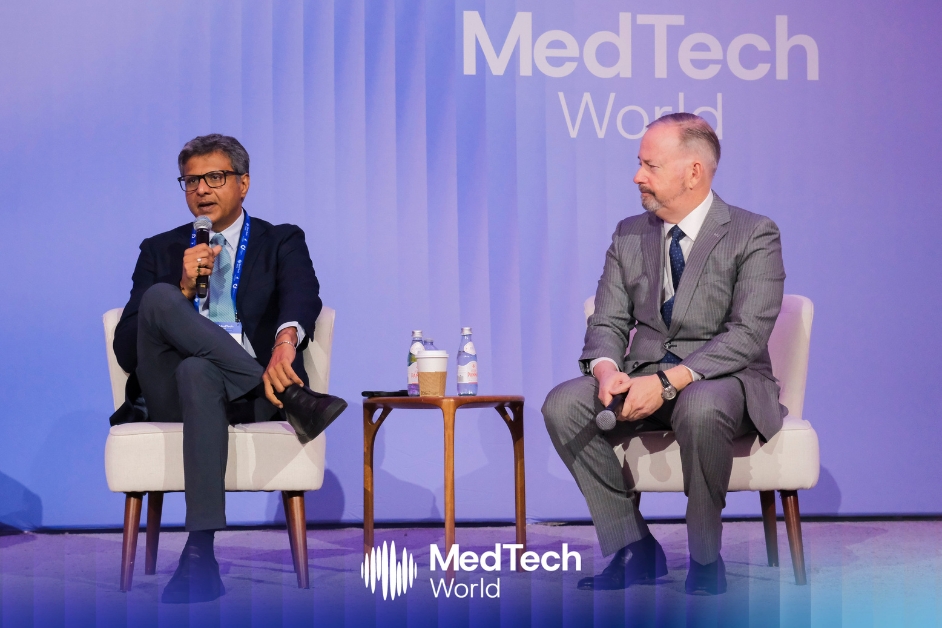
According to Parekh, physicians often spend two to three hours daily on administrative work. Ambient AI documentation systems are now helping reduce that burden by converting physician-patient conversations directly into clinical notes, coding, and billing documentation.
More than 1,000 physicians within the system are already using ambient documentation technology.
The panel also discussed AI’s growing role in radiology, pathology, rare disease detection, and drug discovery, with speakers agreeing that healthcare is approaching a major operational shift.
Despite excitement around innovation, panelists stressed that strong technology alone does not guarantee adoption.
LeMieux described healthcare as one of the country’s most bureaucratic industries, where startups must navigate overlapping state and federal regulations, reimbursement structures, legal compliance, and disconnected technology systems.
Even after FDA clearance, innovators still face major barriers involving reimbursement approval, electronic health record integration, procurement committees, and operational buy-in.
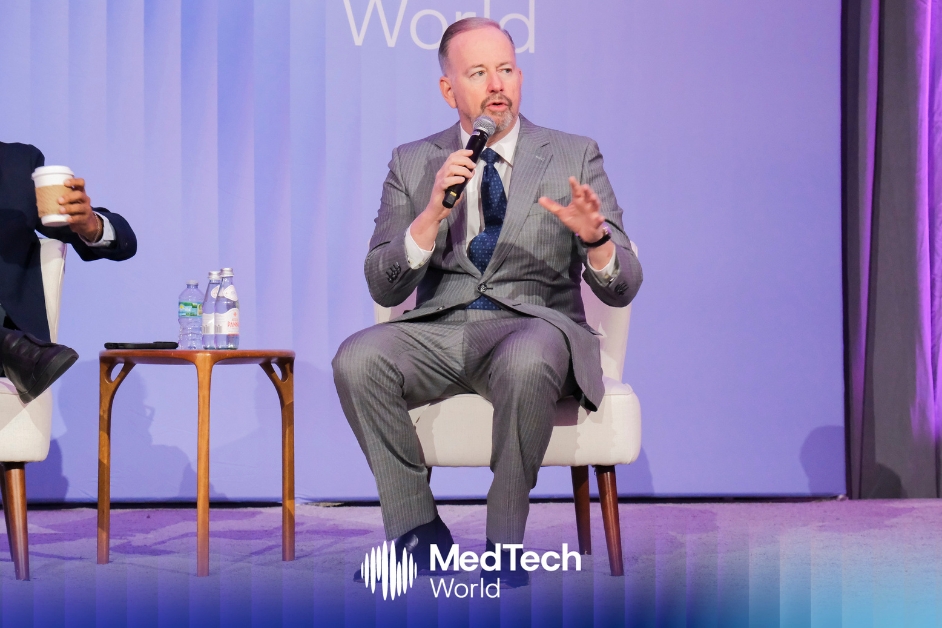
LeMieux encouraged founders to think carefully about legal and business strategy from the beginning, including company structure, intellectual property protection, and compliance planning.
“Healthcare is a battleship,” he said, describing the slow-moving nature of institutional adoption.
At the same time, he warned that if healthcare systems fail to modernize quickly enough, patients may increasingly bypass traditional care pathways altogether in search of faster and more affordable alternatives.
Cody Simmons shared firsthand insight into the commercialization journey behind DermaSensor Inc and its handheld AI-enabled skin cancer diagnostic device designed for primary care settings.
While the company achieved FDA authorization and strong clinical validation, Simmons explained that payer adoption requires a different level of evidence.
Real-world outcomes data, long-term ROI, and reimbursement alignment remain critical factors for scaling within enterprise healthcare systems.
“We were overly optimistic,” Simmons admitted, reflecting on the assumption that FDA authorization alone would drive adoption.
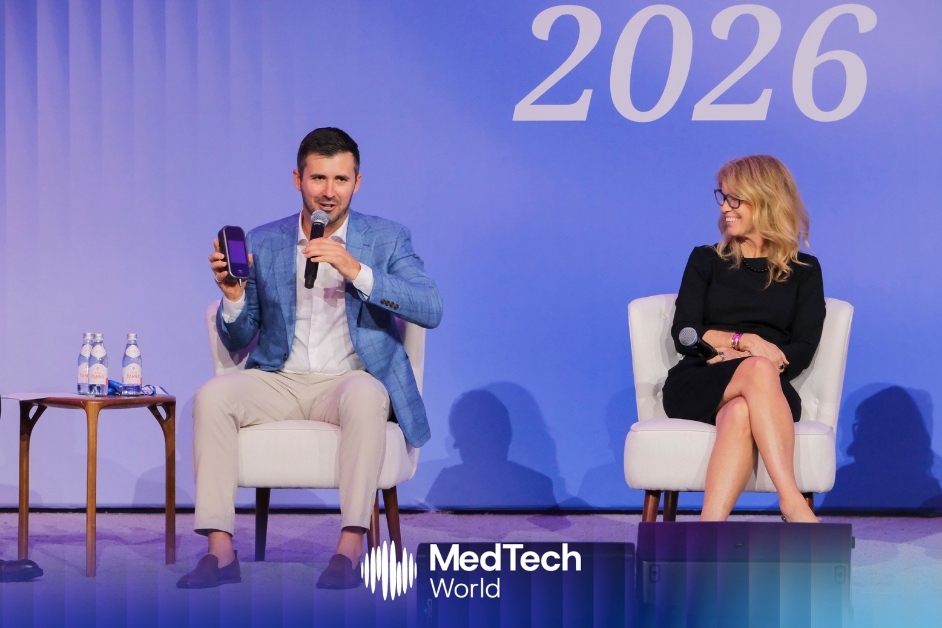
Still, the technology found traction in areas where it solved operational bottlenecks. Some health systems began using the device to prioritize high-risk dermatology referrals, helping accelerate care for patients most likely to need specialist intervention.
The discussion reinforced a recurring theme throughout the session: healthcare buyers are not only evaluating clinical value, but also workflow efficiency, reimbursement impact, and operational outcomes.
Hospitals are under financial pressure too
Mayhew brought attention to another often overlooked reality: many hospitals themselves are operating under significant financial strain.
Representing more than 260 hospitals through the Florida Hospital Association, she explained that nearly half of Florida hospitals operate on margins of 5% or less.
That financial pressure directly affects how quickly systems can adopt and scale innovation.
“There’s a difference between pioneering and bailing out the boat,” she said, describing the difficult balance healthcare leaders face between investing in transformation and maintaining day-to-day operations.
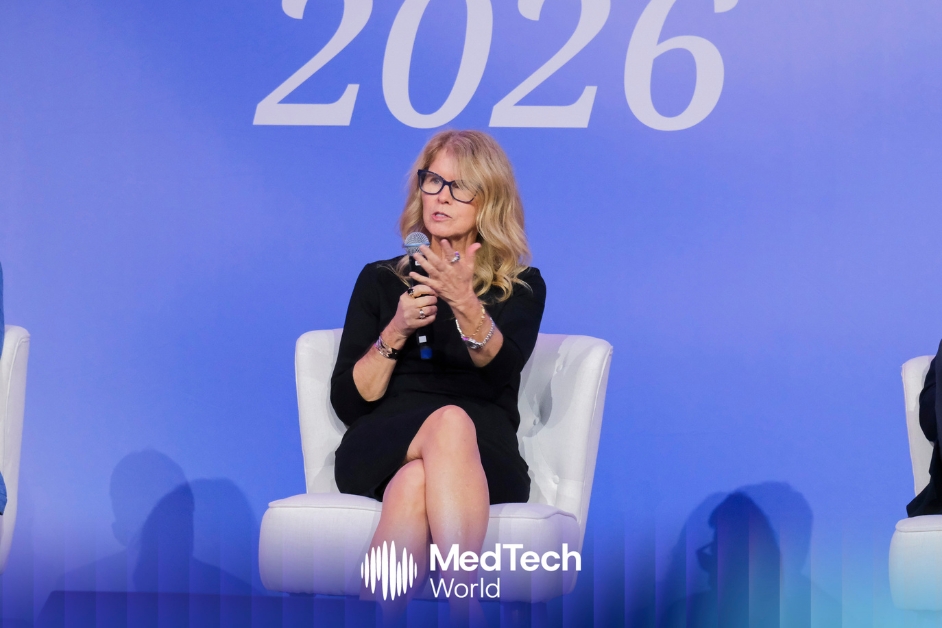
The conversation also touched on how temporary policy shifts during the COVID-19 pandemic accelerated innovation, particularly in areas like virtual care and hospital-at-home programs. However, panelists noted that long-term modernization still requires stronger alignment between policy, reimbursement, and operational realities.
One of the clearest takeaways from the discussion was the importance of physician advocacy inside healthcare systems.
Parekh explained that health systems are far more likely to seriously evaluate a technology when it is backed by trusted clinicians with strong track records and firsthand understanding of patient needs.
He also argued that healthcare leaders must avoid focusing solely on short-term financial returns when evaluating innovation.
Using the example of a surgical AI platform implemented at his health system, Parekh described how automation tools capable of generating operative reports, coding, and documentation directly from surgical video are already improving workflow standardization and operational efficiency across multiple specialties.
“That’s the difference between a bean counter and an innovator,” he said.
Key lessons for founders entering enterprise healthcare
As the session concluded, Barsoum summarized several key lessons for startups hoping to scale within health systems:
The discussion made one thing clear: succeeding in healthcare requires far more than a strong product. Companies entering enterprise health systems in 2026 must understand how clinical priorities, operational pressures, reimbursement structures, and policy environments intersect, and how their technology fits into that larger ecosystem.
The conversation around healthcare innovation, AI, reimbursement, and enterprise adoption continues at MedTech World Asia, taking place in Hong Kong from 26–28 August 2026. Join global healthcare leaders, investors, startups, and decision-makers for discussions on the opportunities and challenges transforming MedTech across Asia and beyond. Secure your ticket and be part of the conversation.