- Summits
- Sponsorship
- Retreats
- Media Opportunities
- News
- About
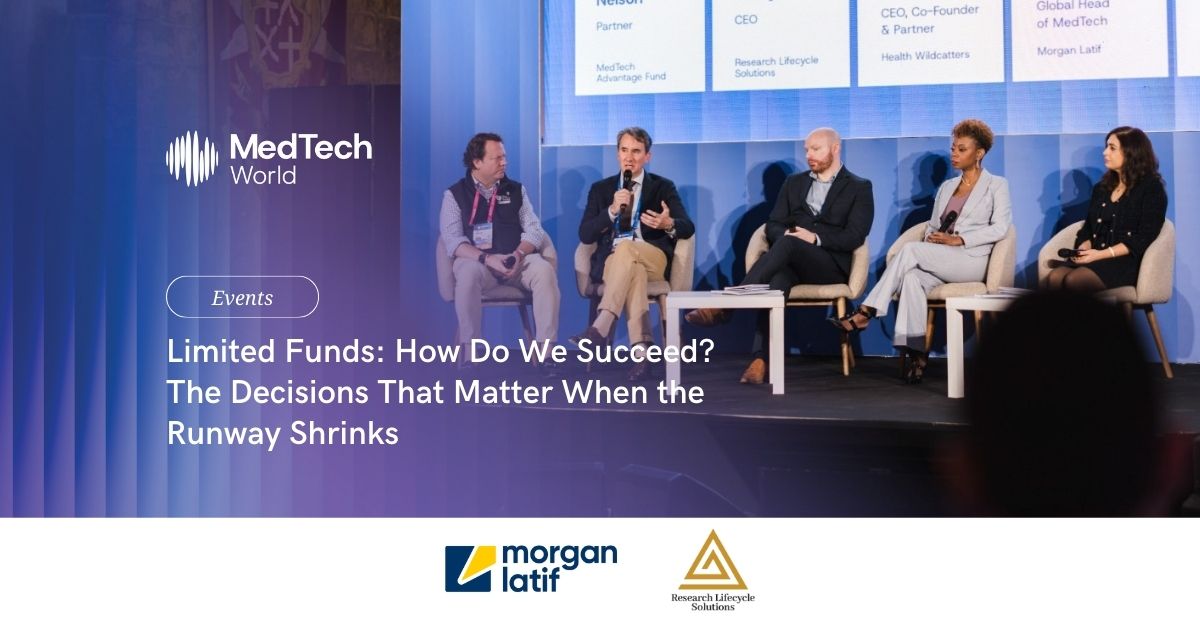
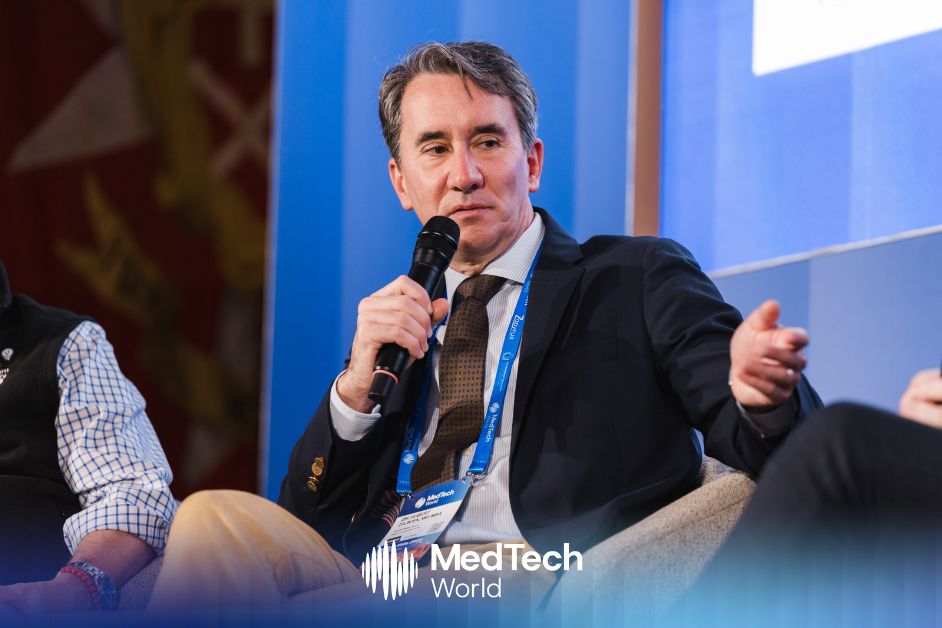
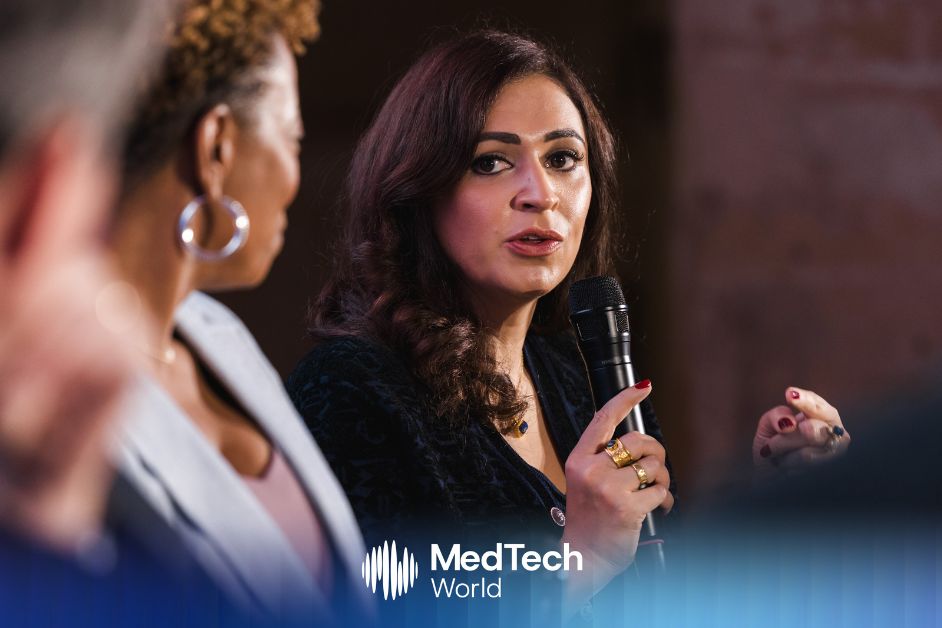
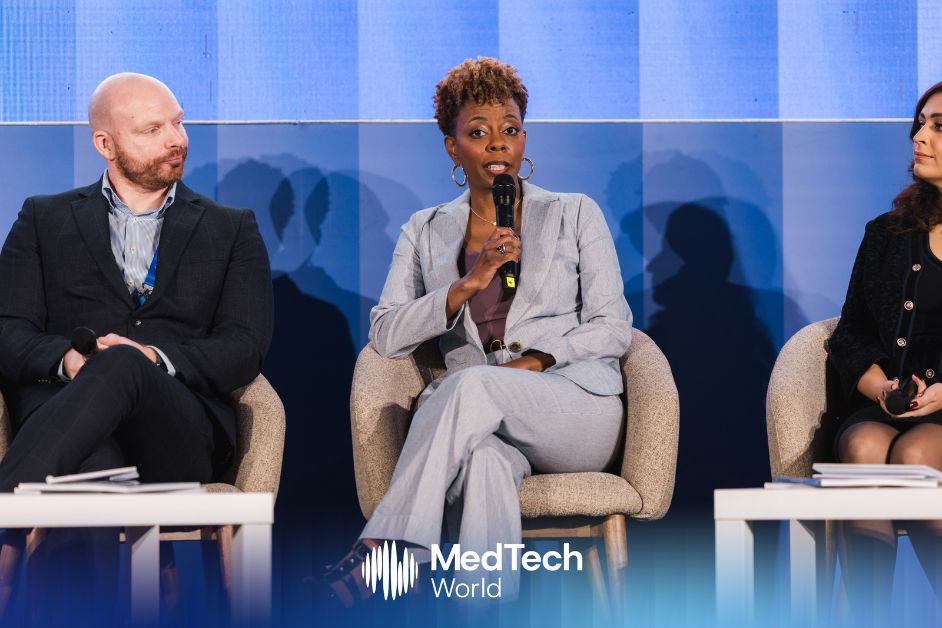
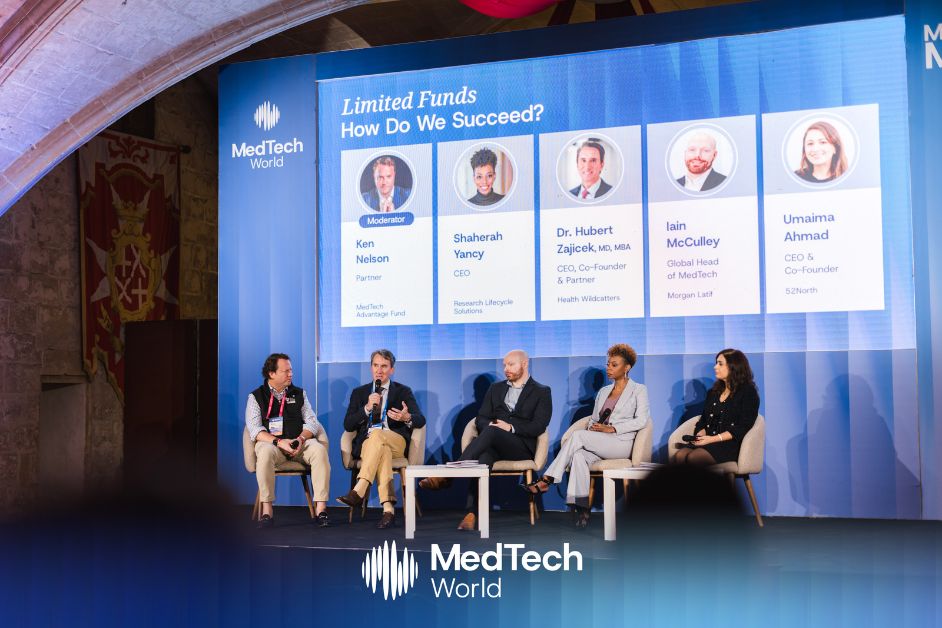
At MedTech Malta 2025, the panel “Limited Funds: How Do We Succeed?” delivered a discussion that felt personal to every founder in the room. Moderated by Ken Nelson, Partner at MedTech Advantage Fund, the conversation brought together insights from Shaherah Yancy, CEO of Research Lifecycle Solutions; Dr. Hubert Zajicek, CEO, Co-founder, and Partner at Health Wildcatters; Iain McCulley, Global Head of MedTech at Morgan Latif; and Umaima Ahmad, CEO and Co-Founder of 52North. Their dialogue centred on one of the most defining phases in a startup’s life: continuing to build momentum when resources are extremely limited.
Ken Nelson opened by sharing that the most durable competitive advantage a company can have is its people. Markets shift and technologies evolve, but strong culture and cohesion allow teams to navigate uncertainty. For early-stage companies in particular, the impact of every hire is amplified, especially when small teams operate without frequent face-to-face interaction. A high-performing culture, he noted, can carry an organisation through phases that product strength alone cannot.
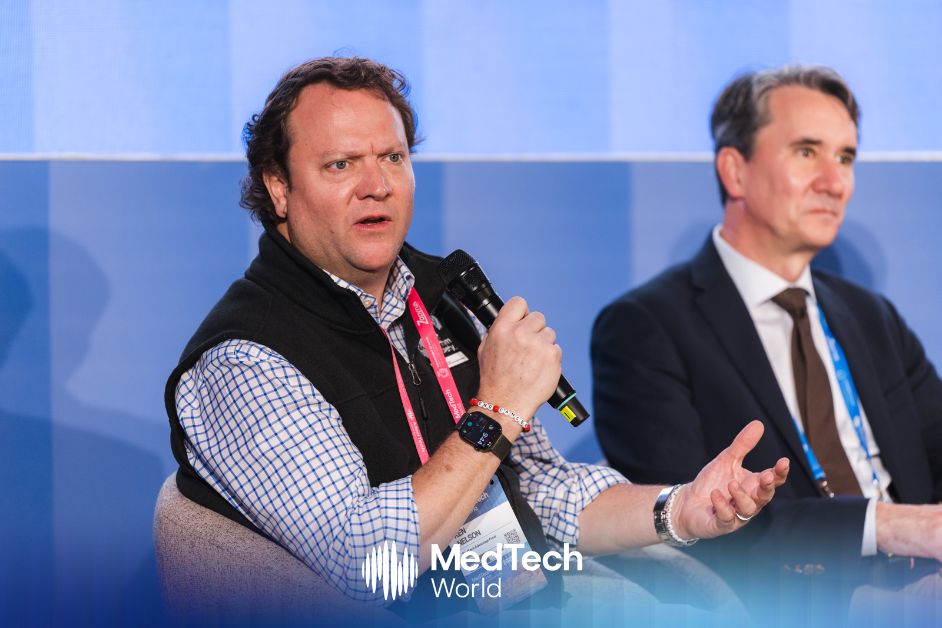
Adding to this, Iain McCulley highlighted that many startups rush into full-time hiring when advisory support would be more effective. Teams built deliberately rather than reactively are the ones that flourish long term. He encouraged founders to defend their values when selecting talent and to treat hiring with the same intentionality as investor outreach. Industry events, conferences, and networking opportunities, he noted, should be seen as constant channels for spotting potential team members, not just investors.
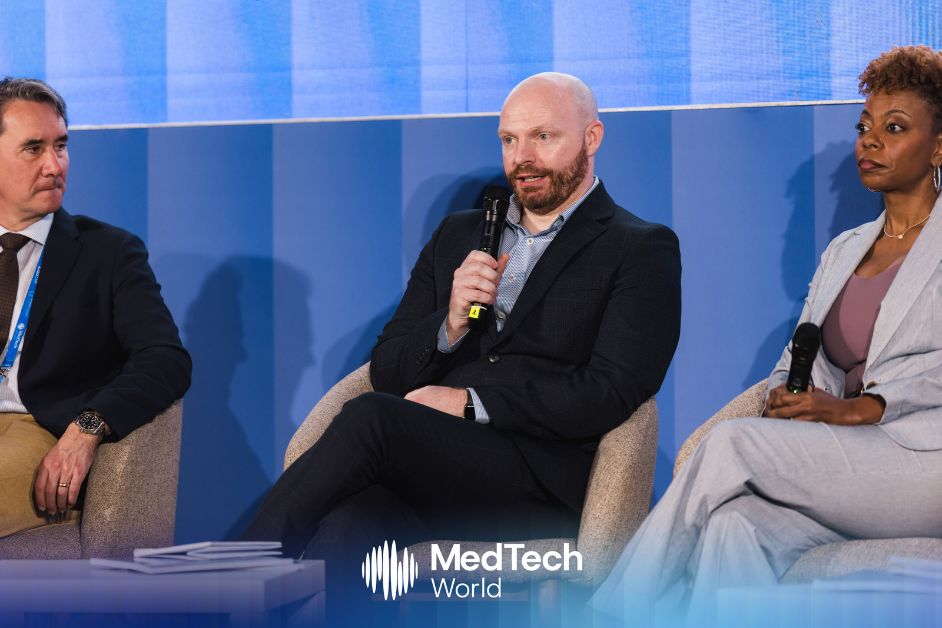
The discussion progressed to a detailed exploration of incubators and accelerators. Ken invited Dr. Hubert Zajicek to clarify the differences based on his experience leading Health Wildcatters, widely recognised as one of the most influential early-stage accelerators in the United States. Dr. Zajicek explained that incubators typically provide support, mentorship, and space without investing funds, while accelerators invest capital and bring startups into competitive cohort programmes. At Health Wildcatters, more than 500 applications are received each year for only 10 places. The science behind a project attracts attention, he noted, but it is the strength and credibility of the team that ultimately secures acceptance.
The panel then turned to non-dilutive funding. Ken highlighted that many companies overlook grants and government-supported programmes simply because applications appear time-consuming. Yet some startups have raised $10 to $30 million without giving up equity and have used these mechanisms to extend their runway while classifying a portion of the funds as revenue. For founders facing resource limitations, non-dilutive capital can be one of the strongest tools available.
Sharing her own experience, Umaima Ahmad discussed how 52North has raised around $6 million in non-dilutive funding. These grants, she said, allowed controlled experimentation and opened pathways to expand from a single product to a multi-product platform without compromising equity. The key, in her view, is selectivity. Companies must pursue only those opportunities that align closely with their strategic roadmap rather than chasing every grant available.
The conversation moved toward evidence generation and the role of clinical trials in commercial success. Shaherah Yancy stressed that regulatory approval is only one part of the journey and that clinical studies should also support adoption, reimbursement, and investor due diligence. With limited funds, startups must invest only in trials that accomplish multiple milestones. Designing evidence without regulatory input or without clarity on commercial strategy, she noted, is one of the fastest ways to burn through capital with little impact.
As the discussion drew to a close, Ken Nelson asked what founders should prioritise when funds begin to run critically low. The speakers aligned around a common theme. Companies must demonstrate clarity in regulatory planning, reimbursement strategy, and milestone-based execution. When founders understand exactly what matters to investors and show that every remaining dollar is moving them closer to those expectations, stalled conversations can reopen.
It was Dr. Hubert Zajicek who captured the emotional core of the conversation. He noted that nearly every startup faces the moment when funds are nearly exhausted and uncertainty peaks. This moment becomes the true test of resilience, unity, and belief in the mission. Teams must decide whether they can continue with limited compensation, whether their conviction is strong enough to endure, and whether they can creatively bring together allies, resources, and milestones that keep the company alive. For Dr. Zajicek, this inflection point does not define failure. It defines character.
The panel left the founders with a powerful reflection. Startups do not succeed because they avoid pressure. They succeed because when pressure arrives, the team remains aligned, resourceful, and determined enough to make progress regardless of the circumstances. It is in those moments, more than during major funding announcements or product launches, that the true identity and future of a company are forged.
For those who want to be part of conversations like this and connect directly with global founders, investors, clinicians, industry leaders and innovators, applications and bookings are now open for MedTech World 2026 events. Whether you are exploring speaking opportunities, startup pitch participation, exhibition space, sponsorship or general attendance, early registration ensures access to the widest range of options. Interested companies and individuals are encouraged to secure their preferred slot now and take the first step toward being part of next year’s gathering.