- Summits
- Sponsorship
- Retreats
- Media Opportunities
- News
- About
One of the enduring challenges in restorative and minimally invasive dentistry is the imbalance between clinical demand and the number of practitioners capable of performing the most complex procedures. Treatments that can preserve natural tooth structure and deliver long-term functional and aesthetic benefits are well understood in academic literature, yet remain difficult to access for many patients. The reason is straightforward: only a small number of dentists worldwide have the training, experience, and precision required to perform these procedures consistently.
As a result, clinics often rely on either referring patients to a small group of specialists or limiting treatment options based on available skill sets rather than patient need. This gap affects outcomes, clinic productivity, and, most importantly, the standard of care available to patients.
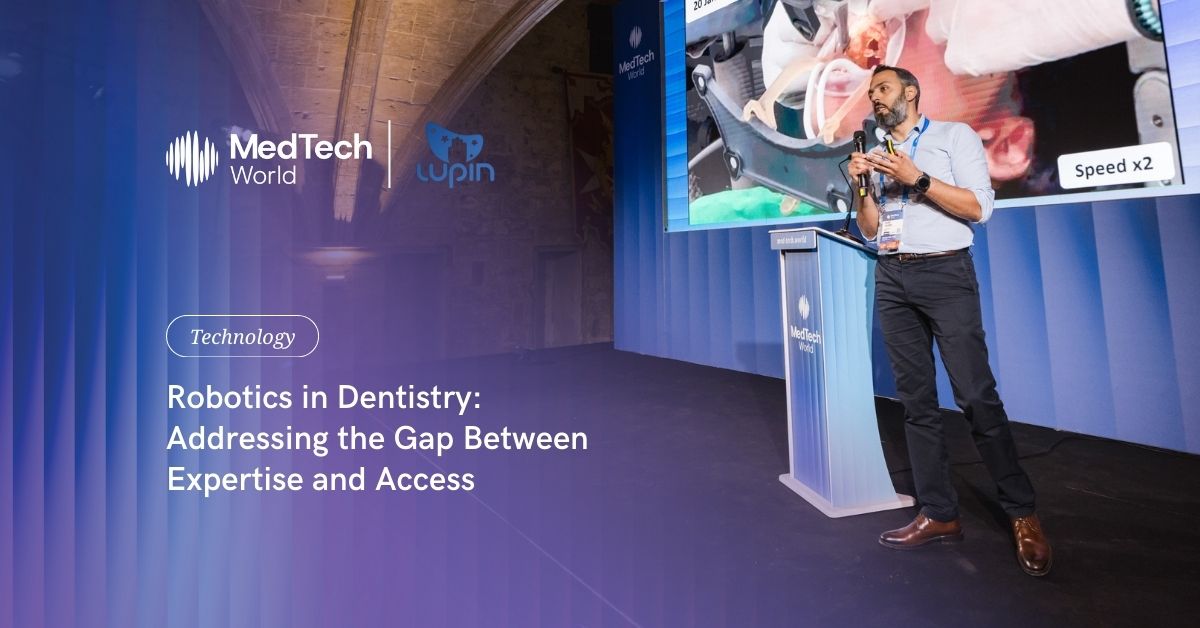
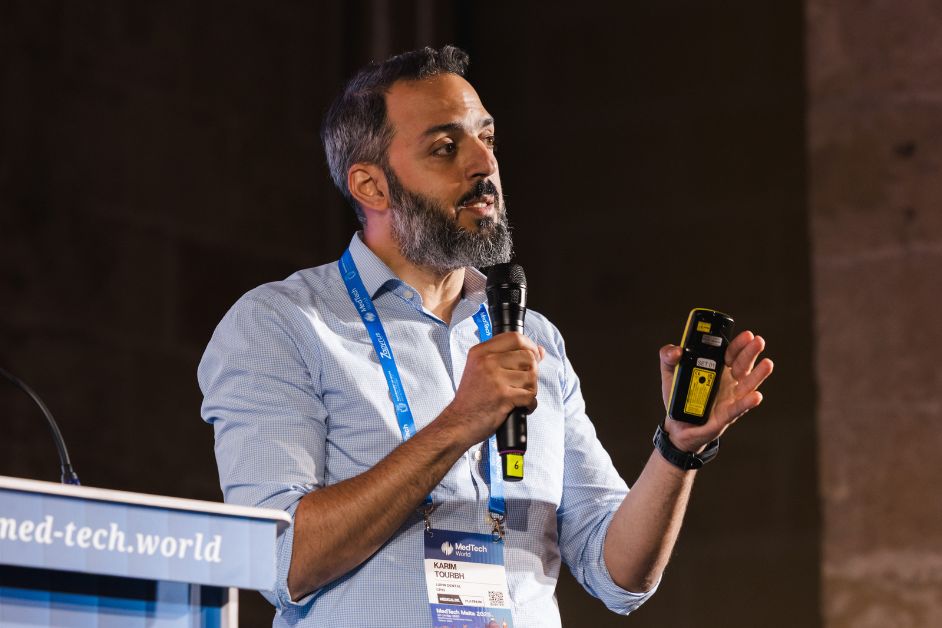
Karim Tourbah, Chief Product and Innovation Officer at Lupin Dental, offered a solution to address this skill accessibility issue during the company showcase at MedTech Malta 2025. Lupin Dental, founded in 2019 by Dr. Stéfen Koubi and Dr. Galip Gürel, has developed a robotic system that translates expert-level restorative techniques into a digital, operable format.
Rather than automating dentistry, the system guides clinicians through procedures that traditionally require highly refined manual abilities. In doing so, it enables more dentists to perform advanced restorative work with predictable accuracy and minimal invasiveness. The intention is not to replace expertise, but to scale it.
The implications reach beyond individual treatments. Clinics that incorporate robotic support into their workflow can maintain their regular range of activities while adding procedures that would usually only be accessible through specialist referral. Practices benefit from:
According to data presented on stage, early adoption sites have already integrated the system into real-world workflows, completing human clinical cases and committing to future implementation.
The robotic system has undergone successful first-in-human use, followed by 25 cases completed in India, with additional clinical centers already signed and more in negotiation. The technology is pending FDA and MDR approval.
Robotics is often discussed in the context of surgery, but the conversation now extends meaningfully into dentistry. The need driving this shift is not technological novelty; it is access to high-quality care. If more clinicians can perform the procedures that deliver the best outcomes, the field as a whole moves forward.
From robotics and AI to clinical adoption and regulatory pathways, MedTech World Middle East | Dubai brings together founders, clinicians, investors, and industry leaders to examine how technologies move from concept to clinical use. Join the discussion from 11 to 13 February 2026 and reserve your slot to be part of the next wave of practical innovation in healthcare.