- Summits
- Sponsorship
- Retreats
- Media Opportunities
- News
- About
“There’s never enough time.”
If you’re an executive today, you’ve probably said this more than once—maybe even this morning. The pace of business has always been relentless, but lately, it feels like the treadmill is stuck on “sprint.” And the finish line? Nowhere in sight.
At a recent medtech conference, I found myself in a candid conversation with a group of fellow executives. It was interesting swapping stories about digital transformations gone wrong, regulatory headaches, and the ever-present pressure to do more with less. But when the topic turned to AI, the room went quiet. Most leaders admitted they had little familiarity with how to deploy AI in their organizations, let alone where to start. The consensus: “We know it’s important, but we’re already stretched thin. How do we find the time to experiment with something so new?”
This is the executive’s dilemma in 2025: Too much to do, not enough time, and a sense that the world is changing faster than we can keep up.
In their book Whiplash, Joi Ito and Jeff Howe describe a world where technological change is not just fast, but ever-accelerating. Unlike past eras—where a big shift (say, the arrival of the internet) was followed by a period of adjustment—today’s leaders face a relentless barrage of new tools, platforms, and paradigms. There’s no time to catch your breath before the next wave hits.
The latest PwC Pulse Survey of tech leaders puts numbers to this feeling.
No one is saying, “Innovation is moving too slowly.” If anything, the opposite is true: the breakneck speed of change is leaving even the best teams gasping for air.
Also Read: Calling All MedTech Innovators: It’s Time to Nominate for MedTech Malta 2025 Awards
In the face of this whiplash, many organizations default to caution. They slow-roll new technology, hoping to avoid costly mistakes. I see this every day: big firms with elaborate plans to “pilot” AI in marketing, while demanding other departments justify every experiment in excruciating detail.
But as I’ve learned firsthand, the greater risk may be in waiting. In the past year, I’ve used AI to summarize client patent portfolios in minutes (not days), co-create blog articles from research to publish-ready in an hour, and even design electronic architectures—including component links and pricing—for both high-performance and ultra-low-cost products, all in less than an hour. Tasks that once took a week now take little more time than a lunch break.
The best use-cases for AI aren’t always obvious up front. They’re discovered through tinkering, not by committee. As the PwC survey found, the most confident tech leaders are those who invest in AI-native architectures and future-ready platforms—not those who simply double down on training and hope for the best.
It’s easy to focus on the risks of moving too fast. But what about the risk of falling behind?
Kodak, Polaroid, Blockbuster—these companies didn’t fail because they took too many risks. They failed because they optimized for yesterday’s winners while tomorrow’s technology sprinted past them.
As executives, we need to ask:
PwC’s data is clear:
The executive’s dilemma isn’t going away. But the leaders who thrive will be those who embrace the whiplash, carve out time for experimentation, and treat AI not as a threat, but as a force multiplier.
In a world where the only constant is acceleration, the riskiest move is standing still.
Prioritize action. The next wave is already here—don’t let it pass you by.
About the Author: Bob Bouthillier is an accomplished team leader who turns complexity into actionable results. Bob has had roles from Product Manager to CEO and has led teams of up to 200 people to deliver 66 medical products to market. Bob distills the fast-changing world of AI into practical roadmaps for executives and teams.
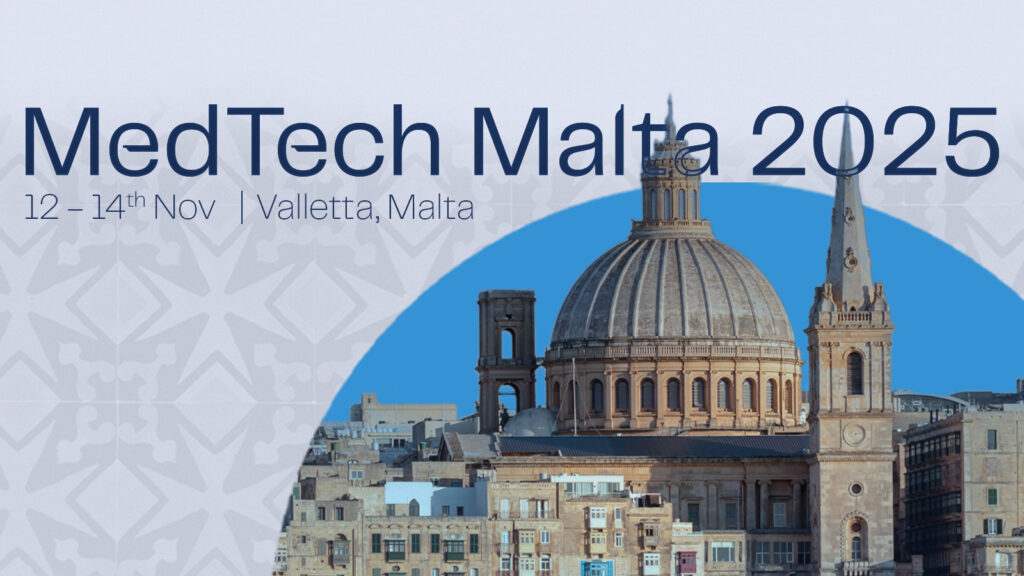
Join us at MedTech Malta 2025, taking place in Valletta from 12 to 14 November, where industry leaders, startups, investors, and healthcare professionals meet to exchange ideas, share practical insights, and explore real-world applications in medical technology. Book your slot now!