- Summits
- Sponsorship
- Retreats
- Media Opportunities
- News
- About
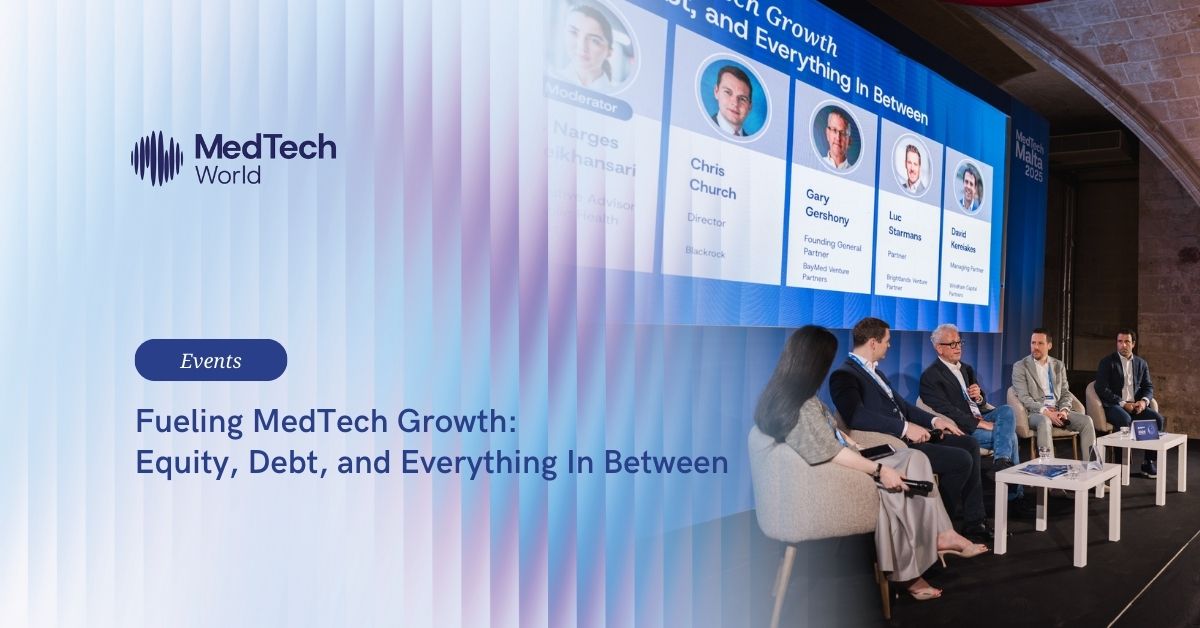
Access to capital continues to define the trajectory of MedTech innovation. Whether a company is building early prototypes or preparing to scale globally, funding shapes every step of the journey. At MedTech Malta 2025, the panel “Fueling MedTech Growth: Equity, Debt, and Everything In Between” tackled this reality head on. Moderated by Dr. Narges Sheikhansari, Executive Advisor and Public Health Expert, the discussion brought together four seasoned investors who each understand the MedTech journey from unique angles.
Panelists included Chris Church, Director at Blackrock; Gary Gershony, Founding General Partner at BayMed Venture Partners; Luc Starmans, Partner at Brightlands Venture Partner; and David Kereiakes, Managing Partner at Windham Capital Partners. Together, they offered a grounded and pragmatic view of what it takes to finance, build, and scale a MedTech company in the current climate.
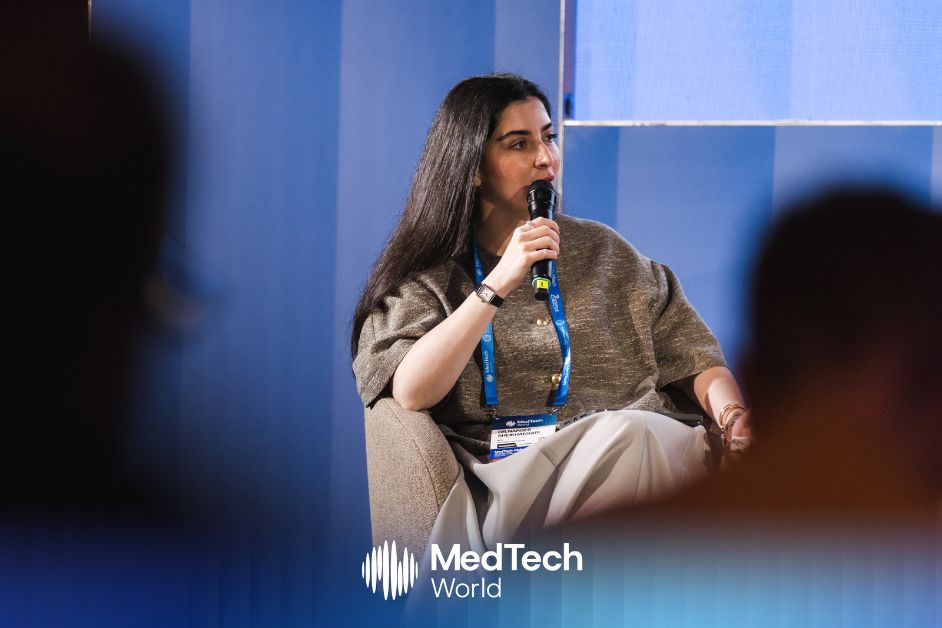
Dr. Sheikhansari opened the conversation by inviting Gary Gershony to reflect on his path from practicing interventional cardiologist to repeat founder and now investor. His story illustrated not only how innovation is often born from clinical frustration but also how challenging the journey can be.
Gershony highlighted that unmet clinical needs were the catalyst behind his two successful companies, one culminating in an IPO and the other in an M&A exit. Yet he emphasised that true learning often comes from the difficult parts, the failures, and the decisions made when the path is unclear. Today, as an investor, he remains close to innovation and uses his operational experience to guide founders navigating the same hurdles he once faced.
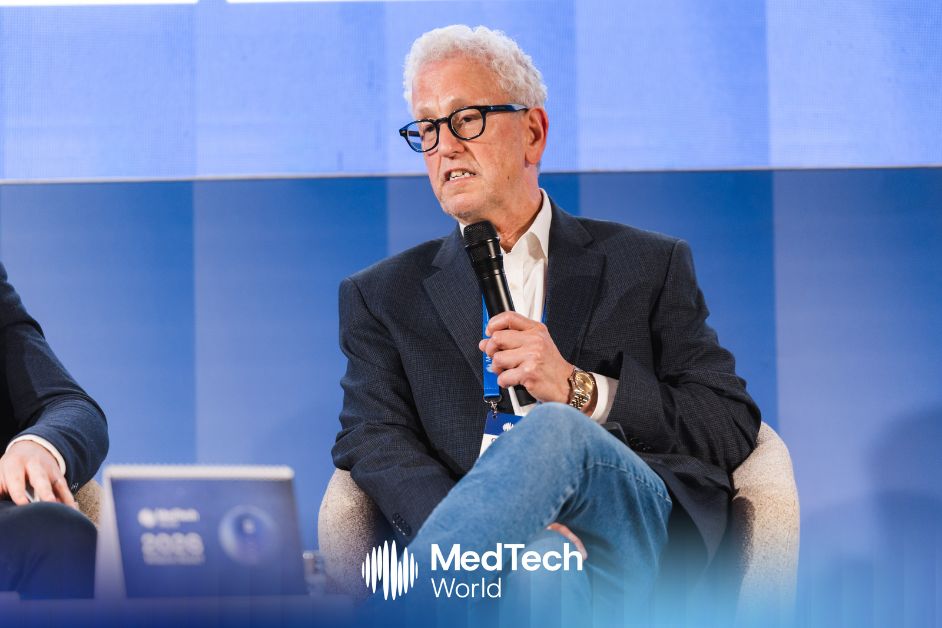
Moving to the early part of the investment funnel, Luc Starmans outlined the criteria Brightlands Venture Partner prioritises. At this stage, he explained, the team matters more than anything else. A resilient and adaptable team can weather setbacks, pivot when needed, and maintain momentum.
He also stressed that founders must start with a real unmet need and avoid building technology first and then searching for a problem. And while financial projections are necessary, early forecasts are nearly always inaccurate, so investors take a more holistic view of the opportunity.
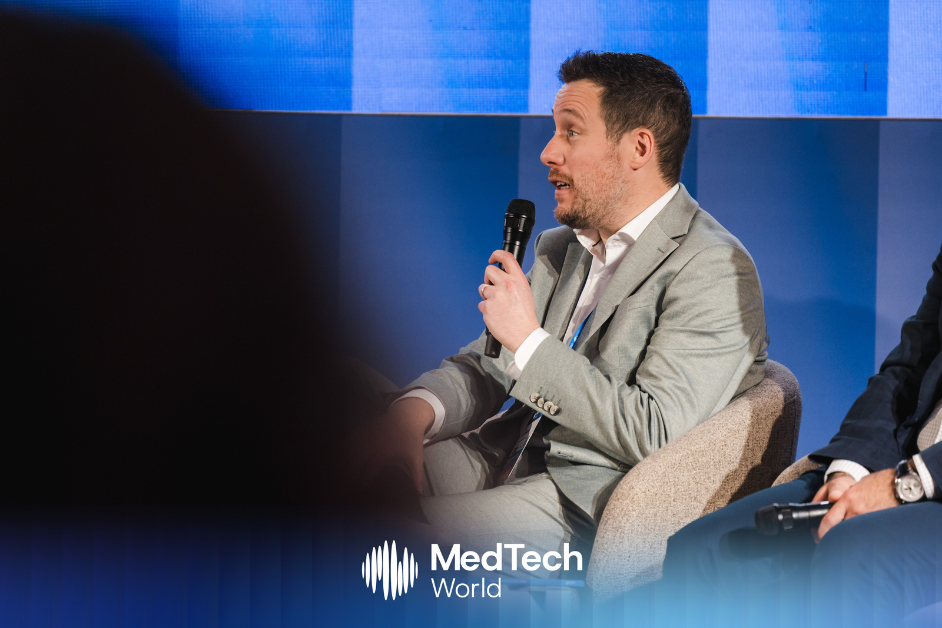
Speaking from the growth stage perspective, David Kereiakes offered a candid view of risk assessment. Windham Capital Partners reviews roughly 500 opportunities each year and invests in only two. He explained that evaluating a company requires examining eight major categories of risk, with management at the core.
Kereiakes also challenged the misconception that commercialisation is easy once regulatory clearance is secured. In reality, he noted, commercial execution is often the greatest risk and the point where many companies falter. He encouraged founders to raise smaller amounts earlier, prove their value proposition, and protect their equity instead of pursuing large financings prematurely.
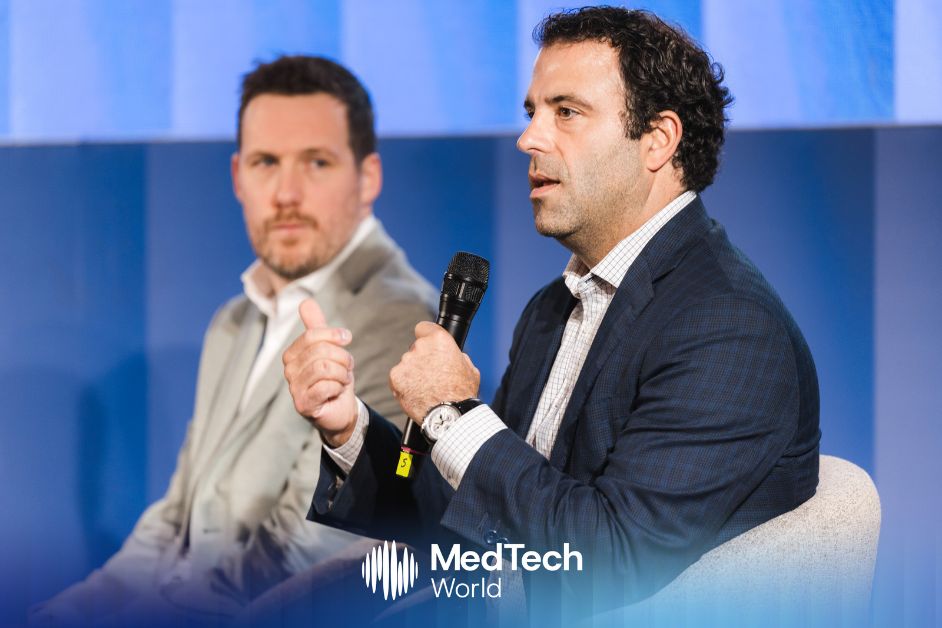
The panel then turned to geographical differences in capital availability. Chris Church explained that European rounds are generally smaller due to the shallower depth of the capital markets. While progress has been made, raising 50 to 100 million remains far more feasible in the US.
This reality contributes to the longstanding trend of European companies adopting a US-first strategy. Starmans pointed to the lack of clarity under MDR, fragmented reimbursement systems, and the strategic value of US commercialisation as core drivers. Gershony reinforced this point, citing the size of the US healthcare market and the importance of FDA pathways and US-based acquirers.
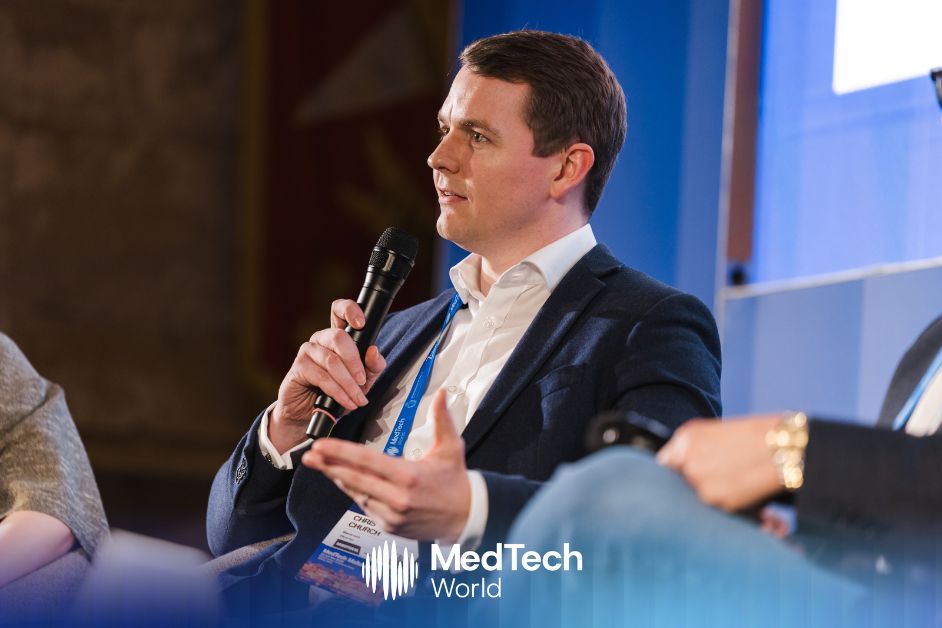
When discussing whether strategic partnerships or pension fund involvement could shift the landscape in Europe, both Church and Kereiakes expressed caution. The challenge is not necessarily the availability of capital, they said, but the inefficiency of how capital is used. Kereiakes added that after years of oversaturated investing cycles, many funds have tightened their deployment, which forces startups to operate more efficiently.
Family offices are increasingly stepping in to fill gaps in early financing, though experience and investment sophistication vary widely. Gershony noted that some family offices invest directly while others rely on established funds to allocate capital on their behalf.
Looking ahead, the panel explored what areas of MedTech are poised for meaningful growth. Starmans stressed that solutions addressing workforce shortages and improving efficiency, including robotics and care automation, will be especially relevant. At the same time, he warned of oversaturation in AI, with many companies attempting to present themselves as AI-driven without substantive differentiation.
Chris Church echoed that AI is becoming an expected layer across almost all digital health solutions and medical technologies. However, he advised founders to build defensible moats and avoid relying on superficial AI integrations that do not stand apart from larger and more established technologies.
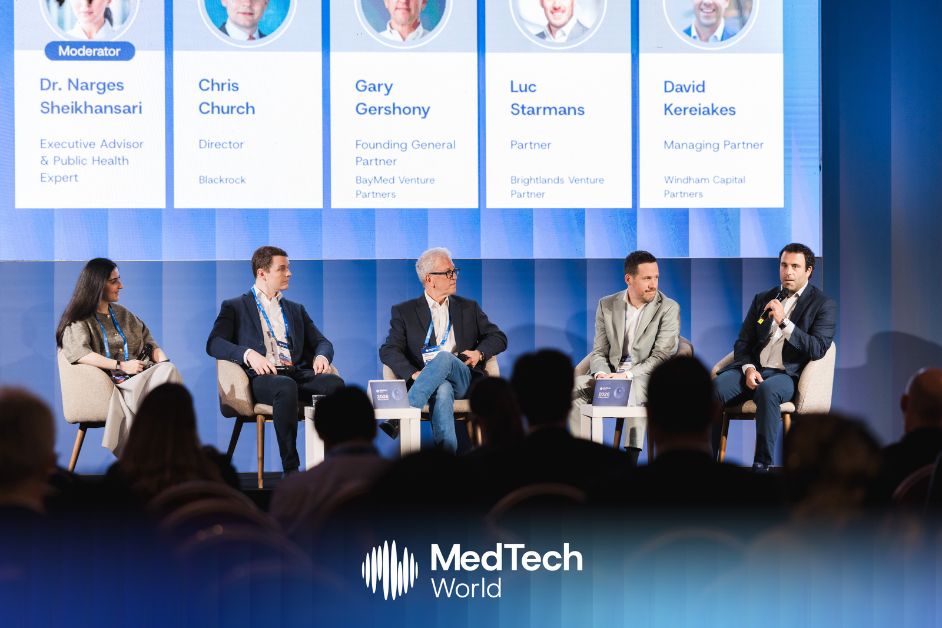
As the panel concluded, one theme stood out: raising capital requires clarity, discipline, and a deep understanding of market needs. Whether through equity, debt, or hybrid models, MedTech founders must navigate a demanding environment where efficiency, execution, and strategic focus matter more than ever.
MedTech Malta 2025 provided an essential platform for these conversations, giving innovators direct insight into what investors expect and how they evaluate opportunities in a complex and rapidly evolving sector.
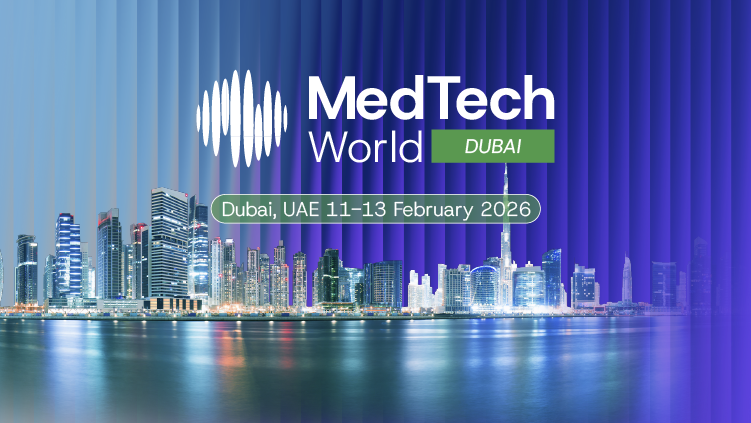
MedTech World Dubai 2026 is your next opportunity to connect with global innovators, investors, industry leaders, and fast-growing startups. Whether you want to pitch your company on stage, exhibit your solution, speak on a panel, or attend as a delegate, MedTech World Dubai offers a dynamic platform to expand your network and visibility.
Secure your place at MedTech World Dubai 2026 and explore the participation options that best fit your goals; tickets and opportunities are now available.